
What Equipment Is Required for a Beverage Production Line?
- Jul 22, 2026
- 178
- tiantai
Building a successful beverage manufacturing business begins with selecting the right production equipment. Whether you are producing bottled water, carbonated soft drinks, juice, tea, energy drinks, or functional beverages, a well-designed beverage production line ensures consistent product quality, high efficiency, and reliable operation.
A complete beverage production line is much more than a filling machine. It is an integrated system that combines water treatment, ingredient preparation, mixing, sterilisation, filling, labelling, packaging, and quality control. Understanding the function of each stage will help investors and beverage manufacturers make informed decisions when planning a new factory or expanding an existing production facility.
A modern water treatment system typically includes:
**Sand filter
**Activated carbon filter
**Water softener (if required)
**Precision filters
**Reverse osmosis (RO) system
**UV steriliser
**Ozone generator
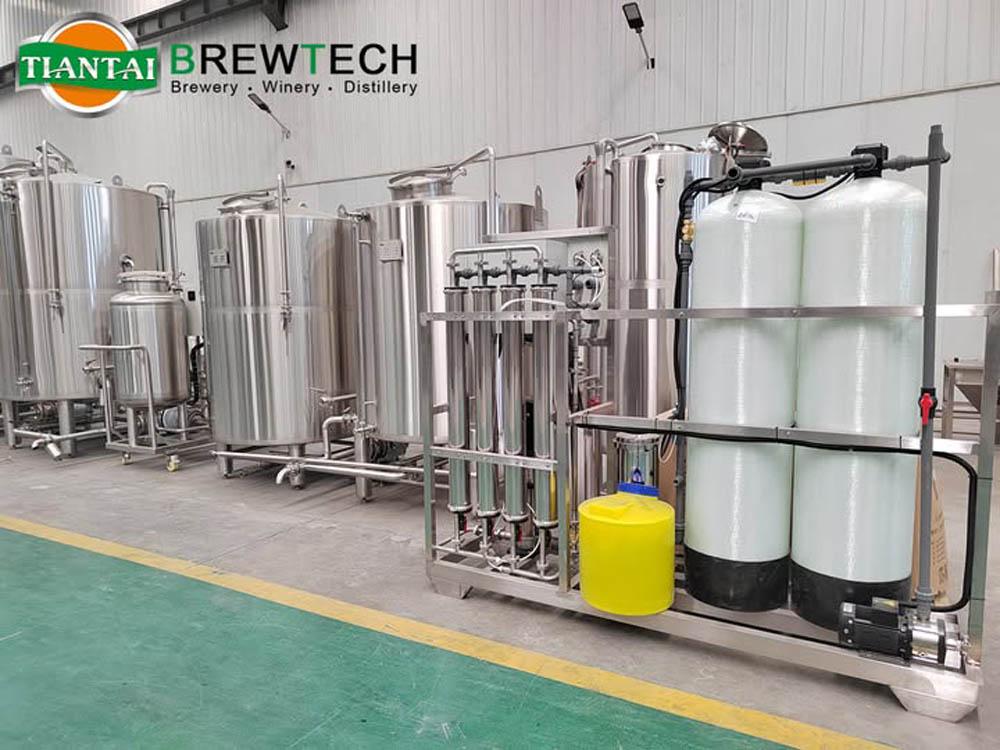
These systems remove suspended solids, chlorine, microorganisms, and dissolved impurities to ensure the water meets food-grade production standards.
Different beverage products require different water specifications. For example, bottled drinking water often requires strict mineral control, while juice and carbonated beverages may have different water quality requirements.
**Typical equipment includes:
**Sugar dissolving tank
**Syrup preparation tank
**Mixing tank
**Storage tank
**Ingredient dosing system
**Homogeniser (for dairy or protein beverages)
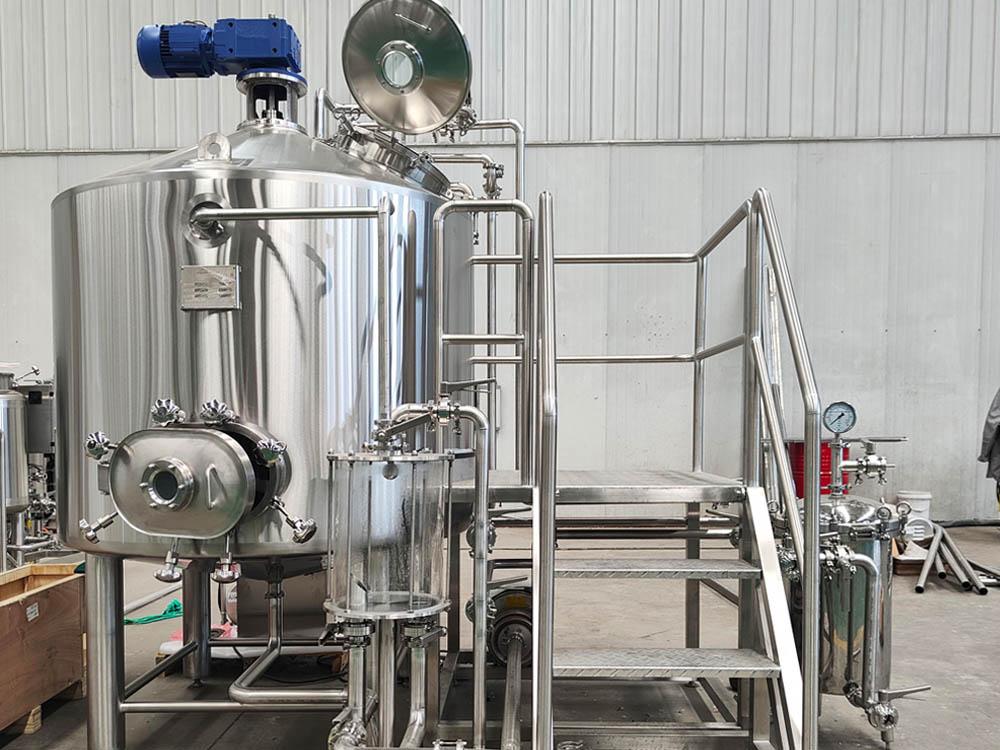
Modern mixing systems are designed with automatic control to ensure precise ingredient dosing and consistent product quality from batch to batch.
For products containing fruit pulp or dairy ingredients, additional equipment such as high-shear mixers or homogenisers may be required to achieve the desired texture and stability.
Depending on the product type, manufacturers may choose different sterilisation methods, including:
**Pasteurisation
**UHT (Ultra High Temperature) sterilisation
**Flash pasteurisation
The appropriate solution depends on the beverage formulation, shelf-life requirements, packaging type, and production capacity.
A properly designed sterilisation system helps maintain flavour while ensuring microbiological safety and extending product shelf life.
The appropriate filling technology depends on the beverage type.
Examples include:
**Bottled water filling
**Juice filling
**Carbonated drink filling
**Tea beverage filling
**Hot filling systems
**Aseptic filling systems
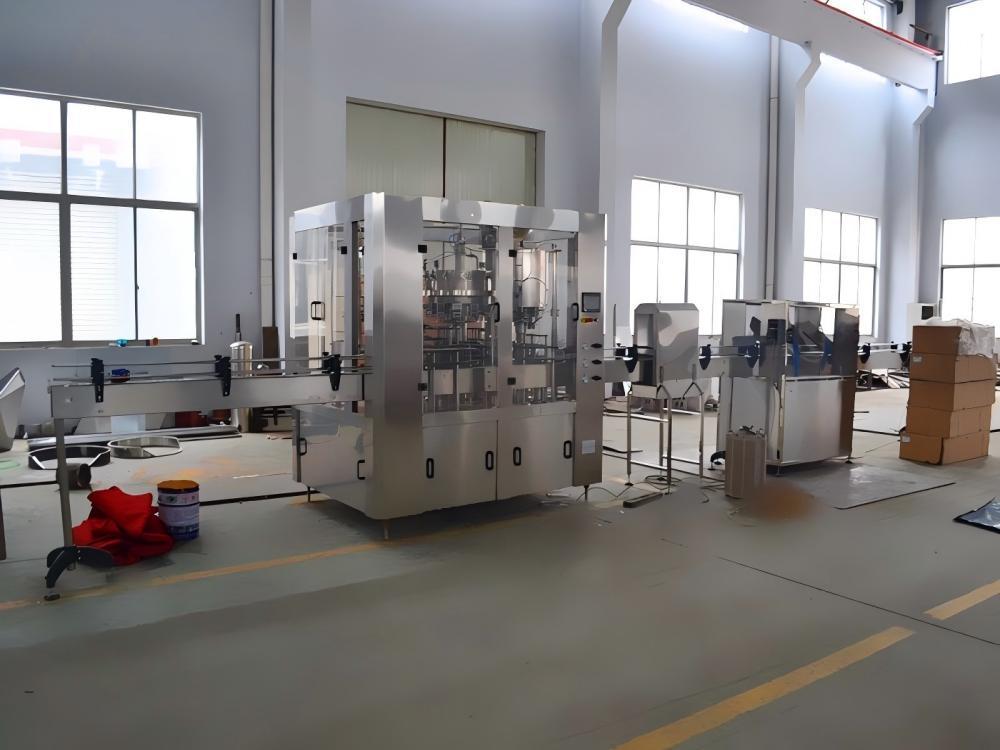
Modern filling machines integrate bottle rinsing, filling, and capping into a single automatic unit, significantly improving production efficiency while reducing contamination risks.
The filling speed can range from several thousand bottles per hour to more than 30,000 bottles per hour, depending on production requirements.
Common labelling options include:
**Self-adhesive label applicators
**OPP hot melt labelling
**Shrink sleeve labelling
Many beverage manufacturers also integrate QR codes, NFC labels, or anti-counterfeit technologies to improve product traceability and brand protection.
Automatic labelling systems ensure accurate label positioning while maintaining high production speeds.
Typical packaging equipment includes:
**Inkjet coding machine
**Carton packing machine
**Film shrink wrapping machine
**Case packer
**Palletiser
An automated packaging system reduces labour costs while improving transportation efficiency and product protection.
For high-capacity production plants, robotic palletising systems can further increase operational efficiency.
A standard CIP unit usually includes:
**Hot water tank
**Alkali tank
**Acid tank
**CIP pump
**Automatic control system
Regular cleaning removes product residues, prevents bacterial growth, and reduces production downtime.
Automatic CIP systems also improve cleaning consistency and reduce chemical and water consumption.
Modern production lines commonly feature:
PLC control systems
Touchscreen HMI
Automatic recipe management
Production data monitoring
Remote diagnostics
Alarm and safety systems
Automation not only improves production efficiency but also reduces human error and simplifies maintenance.
Working with an experienced equipment manufacturer can help optimise plant layout, minimise operating costs, and ensure smooth project implementation from design to commissioning.
A complete turnkey solution can also simplify project management by integrating engineering design, equipment manufacturing, installation, commissioning, and operator training into one coordinated process.
Whether you are planning a new beverage factory or upgrading an existing production line, selecting reliable equipment and an experienced manufacturing partner will help maximise efficiency, product quality, and long-term profitability.
If you are considering investing in a beverage production project, our engineering team can provide customised turnkey solutions tailored to your product, capacity, and production goals.
Contact us to discuss your beverage solution and get latest price. Cheers!
Email: [email protected]
Nicole
A complete beverage production line is much more than a filling machine. It is an integrated system that combines water treatment, ingredient preparation, mixing, sterilisation, filling, labelling, packaging, and quality control. Understanding the function of each stage will help investors and beverage manufacturers make informed decisions when planning a new factory or expanding an existing production facility.
1. Water Treatment System
Water is the primary ingredient in most beverages, making water quality one of the most critical factors in production.A modern water treatment system typically includes:
**Sand filter
**Activated carbon filter
**Water softener (if required)
**Precision filters
**Reverse osmosis (RO) system
**UV steriliser
**Ozone generator
These systems remove suspended solids, chlorine, microorganisms, and dissolved impurities to ensure the water meets food-grade production standards.
Different beverage products require different water specifications. For example, bottled drinking water often requires strict mineral control, while juice and carbonated beverages may have different water quality requirements.
2. Beverage Preparation System
After water treatment, ingredients are prepared and mixed according to the product recipe.**Typical equipment includes:
**Sugar dissolving tank
**Syrup preparation tank
**Mixing tank
**Storage tank
**Ingredient dosing system
**Homogeniser (for dairy or protein beverages)
Modern mixing systems are designed with automatic control to ensure precise ingredient dosing and consistent product quality from batch to batch.
For products containing fruit pulp or dairy ingredients, additional equipment such as high-shear mixers or homogenisers may be required to achieve the desired texture and stability.
3. Sterilisation System
Food safety is one of the highest priorities in beverage production.Depending on the product type, manufacturers may choose different sterilisation methods, including:
**Pasteurisation
**UHT (Ultra High Temperature) sterilisation
**Flash pasteurisation
The appropriate solution depends on the beverage formulation, shelf-life requirements, packaging type, and production capacity.
A properly designed sterilisation system helps maintain flavour while ensuring microbiological safety and extending product shelf life.
4. Beverage Filling Machine
The filling machine is often considered the heart of the beverage production line.The appropriate filling technology depends on the beverage type.
Examples include:
**Bottled water filling
**Juice filling
**Carbonated drink filling
**Tea beverage filling
**Hot filling systems
**Aseptic filling systems
Modern filling machines integrate bottle rinsing, filling, and capping into a single automatic unit, significantly improving production efficiency while reducing contamination risks.
The filling speed can range from several thousand bottles per hour to more than 30,000 bottles per hour, depending on production requirements.
5. Labelling Machine
Product appearance plays an important role in consumer purchasing decisions.Common labelling options include:
**Self-adhesive label applicators
**OPP hot melt labelling
**Shrink sleeve labelling
Many beverage manufacturers also integrate QR codes, NFC labels, or anti-counterfeit technologies to improve product traceability and brand protection.
Automatic labelling systems ensure accurate label positioning while maintaining high production speeds.
6. Packaging System
Once filled and labelled, products move to the packaging stage.Typical packaging equipment includes:
**Inkjet coding machine
**Carton packing machine
**Film shrink wrapping machine
**Case packer
**Palletiser
An automated packaging system reduces labour costs while improving transportation efficiency and product protection.
For high-capacity production plants, robotic palletising systems can further increase operational efficiency.
7. CIP Cleaning System
Clean-In-Place (CIP) systems are essential for maintaining hygiene without dismantling production equipment.A standard CIP unit usually includes:
**Hot water tank
**Alkali tank
**Acid tank
**CIP pump
**Automatic control system
Regular cleaning removes product residues, prevents bacterial growth, and reduces production downtime.
Automatic CIP systems also improve cleaning consistency and reduce chemical and water consumption.
8. Control System and Automation
Today's beverage factories increasingly rely on automation to improve efficiency and product consistency.Modern production lines commonly feature:
PLC control systems
Touchscreen HMI
Automatic recipe management
Production data monitoring
Remote diagnostics
Alarm and safety systems
Automation not only improves production efficiency but also reduces human error and simplifies maintenance.
Choosing the Right Beverage Production Line
Every beverage project is unique. Factors such as product type, bottle material, production capacity, local regulations, and future expansion plans should all be considered during equipment selection.Working with an experienced equipment manufacturer can help optimise plant layout, minimise operating costs, and ensure smooth project implementation from design to commissioning.
A complete turnkey solution can also simplify project management by integrating engineering design, equipment manufacturing, installation, commissioning, and operator training into one coordinated process.
Conclusion
A complete beverage production line consists of much more than a filling machine. From water treatment and beverage preparation to sterilisation, filling, labelling, packaging, and CIP cleaning, every stage plays a vital role in producing safe, high-quality beverages.Whether you are planning a new beverage factory or upgrading an existing production line, selecting reliable equipment and an experienced manufacturing partner will help maximise efficiency, product quality, and long-term profitability.
If you are considering investing in a beverage production project, our engineering team can provide customised turnkey solutions tailored to your product, capacity, and production goals.
Contact us to discuss your beverage solution and get latest price. Cheers!
Email: [email protected]
Nicole


.jpg)