Why Proper Agitation in Your Mash Tun Improves Conversion Efficiency
- Jul 21, 2026
- 154
- tiantai
I. More Than Just Stirring
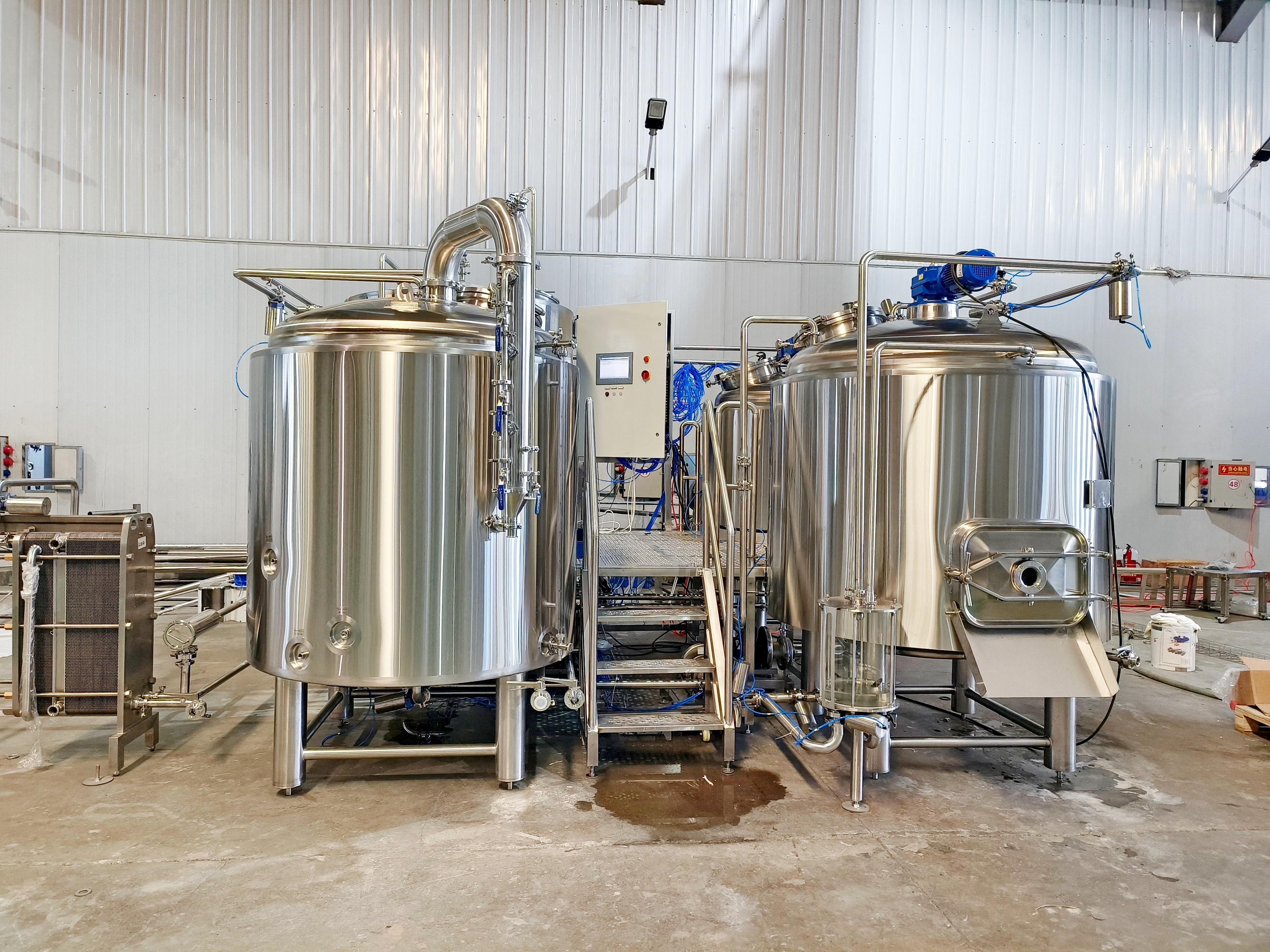
When grains meet hot water, the clock starts ticking. Enzymes begin breaking down starches into fermentable sugars. Temperature gradients exist. Some grains are fully wetted while others remain dry. Without intervention, the mash would be uneven — hot spots here, dry pockets there, and incomplete conversion everywhere.
This is why agitation matters. A mash mixer — the rotating mechanism inside the mash tun — ensures that every particle of grain is exposed to water and heat evenly. It is not just about stirring. It is about creating the ideal conditions for enzymatic activity throughout the entire mash.
Yet many brewers underestimate the role of agitation. They focus on temperature and water-to-grain ratio, assuming that as long as the numbers are right, the mash will take care of itself. But without proper mixing, even the best recipe will underperform.
II. What Does Agitation Actually Do?
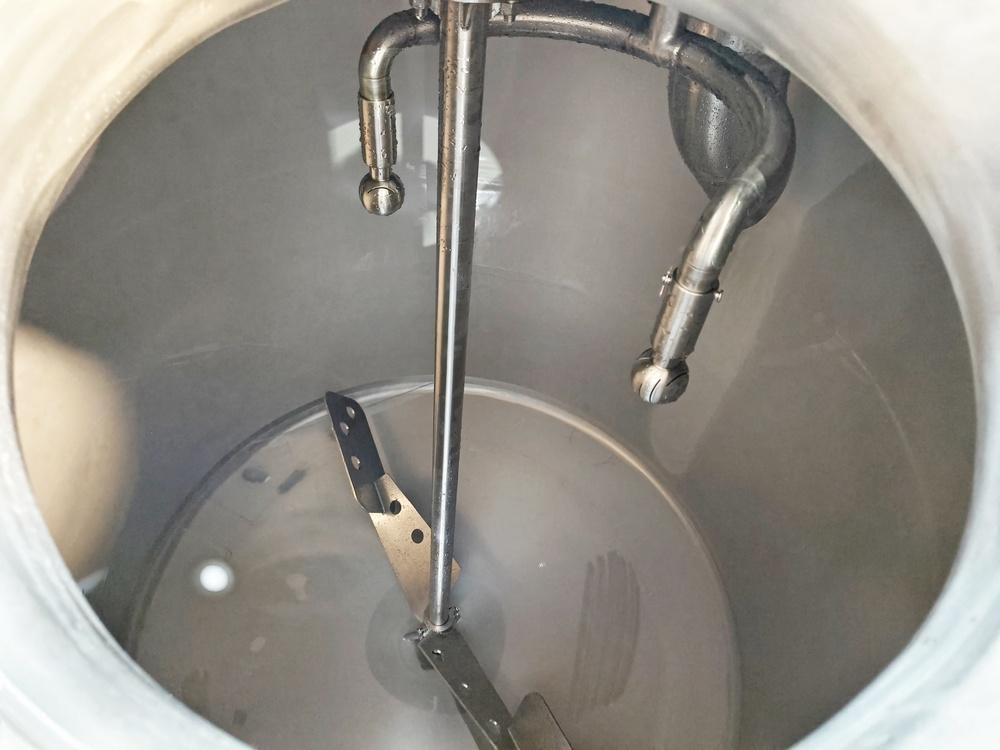
Agitation serves three critical functions during mashing.
First, it ensures uniform temperature distribution. When hot water is added to grain, the temperature is not instantly uniform. Areas near the heat source are warmer, while the center and corners lag behind. Agitation moves the mash continuously, bringing cooler zones into contact with warmer ones. This prevents hot spots that could denature enzymes and cold spots that could slow conversion.
Second, it promotes complete hydration. Every starch granule must be fully wetted for enzymes to access it. Dry pockets of grain remain unconverted, reducing extract yield. Agitation breaks up these dry clusters and ensures that every particle is surrounded by water.
Third, it disperses enzymes throughout the mash. Enzymes are not uniformly distributed when mashing begins. They must travel through the liquid to reach their substrate. Agitation accelerates this transport, bringing enzymes into contact with starch molecules more quickly and efficiently.
III. Too Much Agitation Can Be Harmful
While agitation is essential, more is not always better. Excessive agitation can cause problems of its own.
High-speed mixing creates shear forces that can physically damage enzyme proteins. Once denatured by shear, enzymes cannot recover. This reduces the overall enzymatic activity in the mash and lowers conversion efficiency.
Aggressive agitation also incorporates excess oxygen into the mash. Oxygen can oxidize fatty acids and polyphenols in the grain, leading to stale flavors and reduced shelf stability in the finished beer.
Additionally, overly vigorous mixing can break grain husks into smaller fragments. These fragments pass through the false bottom during lautering, contributing to cloudy wort and potentially causing filtration problems.
The goal is not maximum agitation, but optimal agitation — enough to keep the mash uniform without causing damage.
IV. Types of Mash Mixers
Anchor-Style Mixer
The most common design for small to medium brewhouses. A central shaft supports arms that sweep the sides and bottom of the mash tun. The anchor design provides gentle but thorough mixing, with minimal shear. It is ideal for breweries that prioritize grain bed integrity.
Paddle-Style Mixer
Flat paddles mounted on a rotating shaft. Paddle mixers provide more aggressive mixing than anchor designs, making them suitable for thicker mashes or recipes with high adjunct ratios. However, they generate more shear and must be operated at lower speeds to avoid damaging enzymes.
Scraper-Style Mixer
A variation of the anchor design with scraper blades that contact the vessel walls. This prevents grain from baking onto the heated surfaces of the mash tun. Scraper mixers are essential for direct-fired mash tuns where localized overheating is a risk.
V. Operating the Mixer: Best Practices
Start mixing as soon as the grain is added to the strike water. This ensures immediate hydration and prevents dough balls from forming. Continue mixing until the mash reaches a uniform consistency, typically two to five minutes.
During the mash rest, intermittent mixing is generally preferred over continuous mixing. A common approach is to mix for one to two minutes every ten to fifteen minutes. This maintains uniformity without subjecting the mash to constant shear.
Reduce mixing speed when using high proportions of wheat, oats, or other unmalted grains. These grains produce a sticky mash that is more sensitive to shear damage.
Stop mixing before transferring to the lauter tun. The grain bed needs to settle before lautering begins, and continued agitation would disrupt the settling process.
VI. Signs of Poor Agitation
If your mash is not being agitated properly, you will see the symptoms in your brew house performance.
Low and inconsistent conversion efficiency is the most obvious sign. If your gravity readings vary significantly from batch to batch despite using the same recipe and process, poor agitation may be the cause.
Temperature stratification is another indicator. If the temperature at the top of the mash differs from the temperature at the bottom by more than one or two degrees, your mixer is not doing its job.
Dough balls in the mash after mixing suggest that the agitation is insufficient to break up dry clusters of grain.
VII. Conclusion
Proper agitation in the mash tun is one of the most important factors in achieving consistent, high conversion efficiency. It ensures uniform temperature, complete hydration, and effective enzyme distribution throughout the mash.
But balance is key. Too little agitation leaves the mash uneven. Too much damages enzymes and creates processing problems. Understanding your mixer design and operating it correctly will help you get the most out of every batch of grain.
Looking for a mash tun with the right agitation system for your brewery? Contact us for expert advice.
Ethan
Sales Manager
.jpg)
.jpg)