
The possible reason of carbonation stone color changed after cleaning
- Nov 06, 2024
- 140
- tiantai
When a carbonation stone (often used for forced carbonation in brewing) turns light brown after cleaning, it’s usually due to the accumulation of organic material, minerals, or chemical residues that can develop during the cleaning process. Here are some common reasons why this might happen:
1. Mineral Deposits: If you use hard water during the cleaning process, minerals like calcium or iron can leave behind brownish stains or deposits on the stone. These deposits can form over time as the stone is exposed to these minerals, especially if the stone is not thoroughly rinsed after cleaning.
2. Oxidation: Some cleaning agents, particularly those containing chlorine or other oxidizing chemicals, can react with the metal or other materials in the carbonation stone, causing a brownish discoloration. If the stone has stainless steel components, this can sometimes lead to a slight oxidation effect that gives it a brownish hue.
3. Bacterial or Yeast Residue: If the carbonation stone has been used in a fermenting environment, it may have some organic residue like yeast or bacteria that wasn't fully removed during the cleaning process. These can leave behind a discoloration, especially if the stone was cleaned with a solution that didn't fully break down the organic material.
4. Improper Rinsing: If cleaning agents (such as caustic solutions or acidic cleaners) weren’t thoroughly rinsed off, residual chemicals could interact with the stone’s surface, leading to staining or discoloration.
5. Aging of the Stone: Over time, carbonation stones can become discolored or even slightly clogged from use. If the stone has been cleaned frequently but not replaced, the surface might begin to change color due to the wear and tear of its pores and channels.
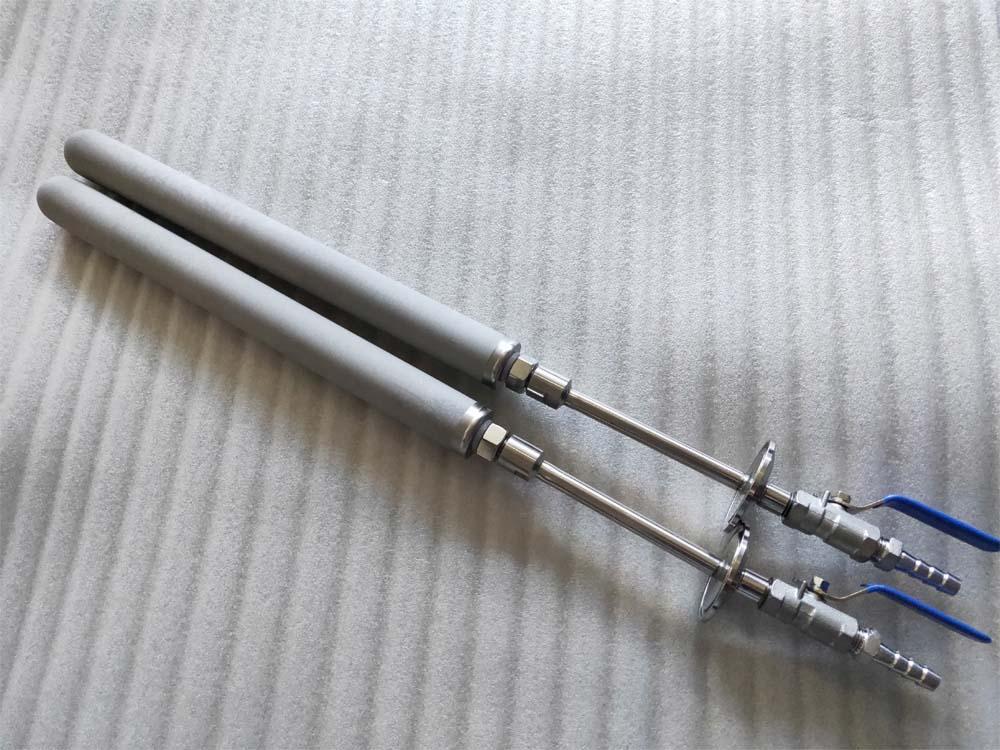
What we can do to avoid this:
1. Inspect the Stone: Make sure that the stone is not clogged with mineral deposits or organic material. Use a proper cleaning solution like PBW (Powdered Brewery Wash) and thoroughly rinse it afterward.
2. Descale: If mineral buildup is suspected, you might need to use an acid-based cleaner (like vinegar or citric acid) to help dissolve any mineral deposits.
·
3. Check Water Quality: If you're using hard water, consider using filtered or softened water to avoid mineral deposits building up in the future.
4. Proper Storage: After cleaning, store the carbonation stone in a dry, clean environment to prevent further contamination.
In most cases, a light brown tint after cleaning is not harmful, but it may indicate that the cleaning process wasn't as effective as it could have been. Cleaning the stone more thoroughly or replacing it if it becomes heavily stained or clogged is often the best course of action.
Tiantai, provides turnkey solutions on brewery equipment, if you are looking for brewery equipment, or have any issues on brewery operations, kindly contact me to get your brewery proposal.
Derrick
Sales Manager
[email protected]
Tiantai Beer Equipment
1. Mineral Deposits: If you use hard water during the cleaning process, minerals like calcium or iron can leave behind brownish stains or deposits on the stone. These deposits can form over time as the stone is exposed to these minerals, especially if the stone is not thoroughly rinsed after cleaning.
2. Oxidation: Some cleaning agents, particularly those containing chlorine or other oxidizing chemicals, can react with the metal or other materials in the carbonation stone, causing a brownish discoloration. If the stone has stainless steel components, this can sometimes lead to a slight oxidation effect that gives it a brownish hue.
3. Bacterial or Yeast Residue: If the carbonation stone has been used in a fermenting environment, it may have some organic residue like yeast or bacteria that wasn't fully removed during the cleaning process. These can leave behind a discoloration, especially if the stone was cleaned with a solution that didn't fully break down the organic material.
4. Improper Rinsing: If cleaning agents (such as caustic solutions or acidic cleaners) weren’t thoroughly rinsed off, residual chemicals could interact with the stone’s surface, leading to staining or discoloration.
5. Aging of the Stone: Over time, carbonation stones can become discolored or even slightly clogged from use. If the stone has been cleaned frequently but not replaced, the surface might begin to change color due to the wear and tear of its pores and channels.
What we can do to avoid this:
1. Inspect the Stone: Make sure that the stone is not clogged with mineral deposits or organic material. Use a proper cleaning solution like PBW (Powdered Brewery Wash) and thoroughly rinse it afterward.
2. Descale: If mineral buildup is suspected, you might need to use an acid-based cleaner (like vinegar or citric acid) to help dissolve any mineral deposits.
·
3. Check Water Quality: If you're using hard water, consider using filtered or softened water to avoid mineral deposits building up in the future.
4. Proper Storage: After cleaning, store the carbonation stone in a dry, clean environment to prevent further contamination.
In most cases, a light brown tint after cleaning is not harmful, but it may indicate that the cleaning process wasn't as effective as it could have been. Cleaning the stone more thoroughly or replacing it if it becomes heavily stained or clogged is often the best course of action.
Tiantai, provides turnkey solutions on brewery equipment, if you are looking for brewery equipment, or have any issues on brewery operations, kindly contact me to get your brewery proposal.
Derrick
Sales Manager
[email protected]
Tiantai Beer Equipment
.jpg)
