How do I determine how much floor space I need when planning a brewery?
- Nov 02, 2024
- 68
- tiantai
Determining the right size for your brewery space depends on your production goals, the type and size of the equipment, and additional functional areas needed. Here’s a detailed guide to help you plan your brewery space:
1. Assess Your Production Capacity
First, decide on your target production volume (e.g., 10HL, 20HL, or 50HL per batch) and the number of batches you plan to brew per week or month.
Higher production volumes will require larger brewing vessels and more space for fermentation, storage, and packaging.
2. Estimate Equipment Space Requirements
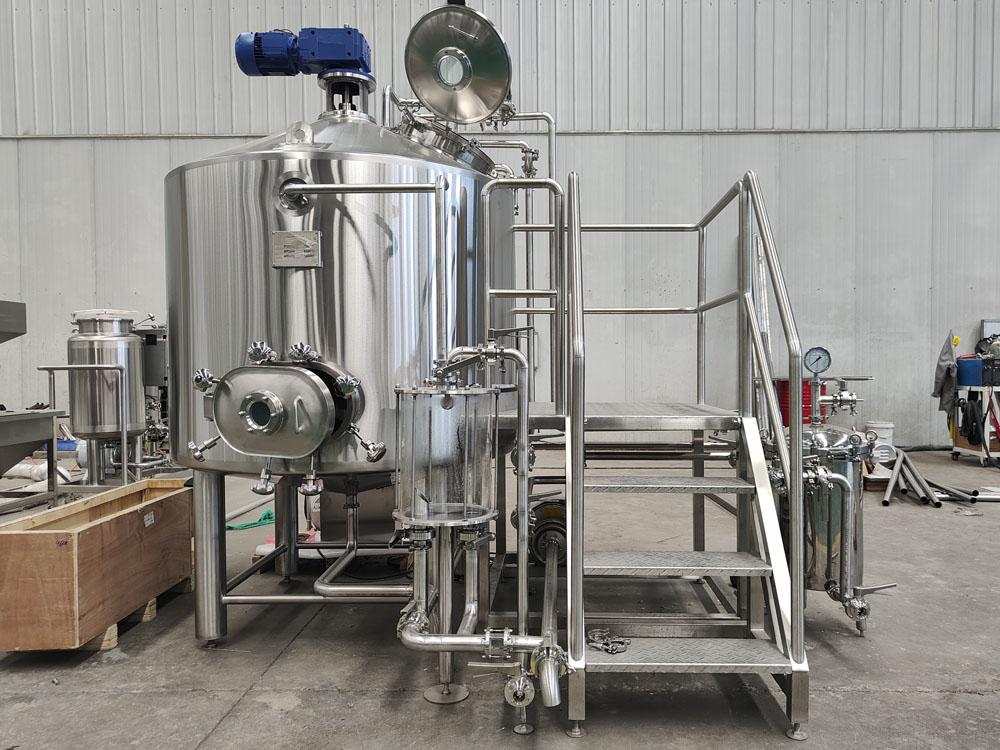
Brewhouse Area: Depending on the brewhouse size (e.g., 10HL, 20HL, or larger), the space needed typically ranges from 15 to 30 square meters (160-320 square feet) or more. You’ll also need space for hot and cold liquor tanks.
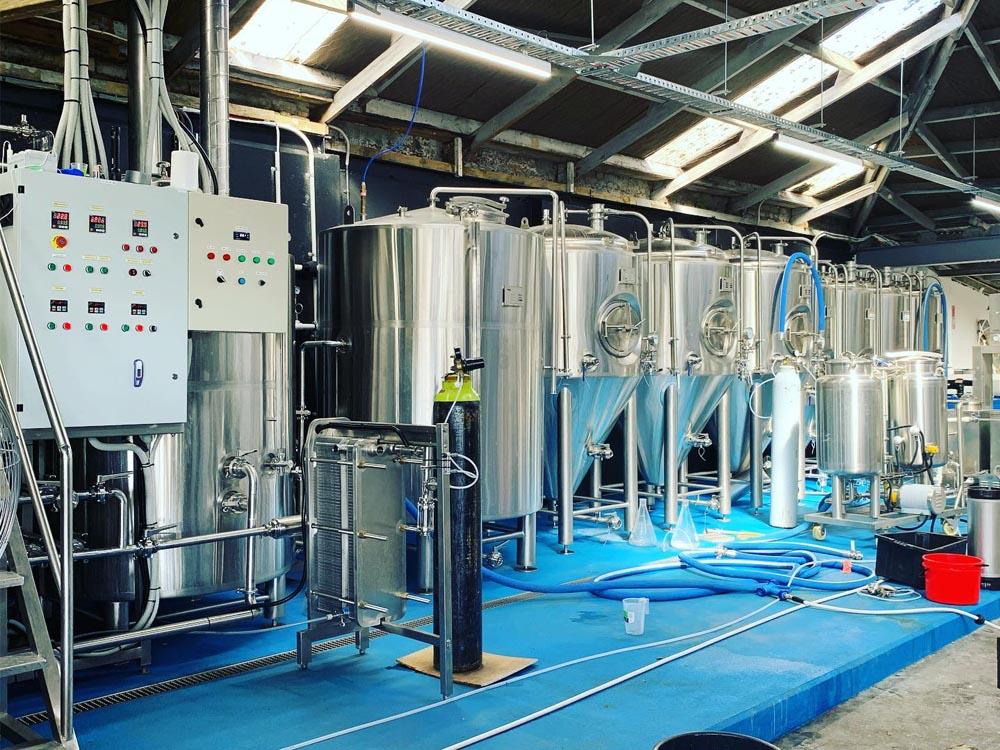
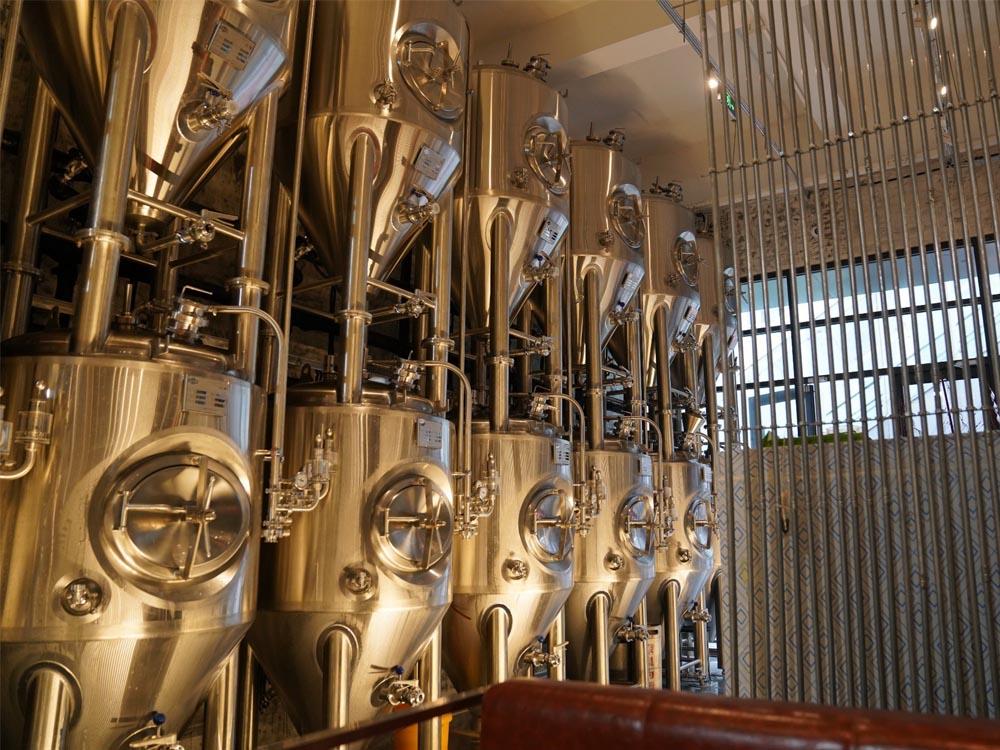
Fermentation Tanks: The number and size of fermenters are crucial. For example, a 20HL fermenter occupies roughly 3-4 square meters (32-43 square feet), so if you have multiple tanks, calculate accordingly.
Glycol Chiller: Allocate space near the fermentation area, often around 5-10 square meters (50-100 square feet) depending on the unit size.
Packaging Equipment: Bottling or canning lines can take up significant space, sometimes 10-20 square meters (100-215 square feet) or more, depending on the system.
3. Include Space for Support Areas
Cold Storage: Finished beer often needs to be stored cold before distribution. This area will vary based on your production volume but generally requires a minimum of 10-20 square meters (100-215 square feet).
Dry Storage: Space for malt, hops, and other ingredients, plus packaging materials. Plan for at least 10-15 square meters (100-160 square feet), depending on how much stock you intend to hold.
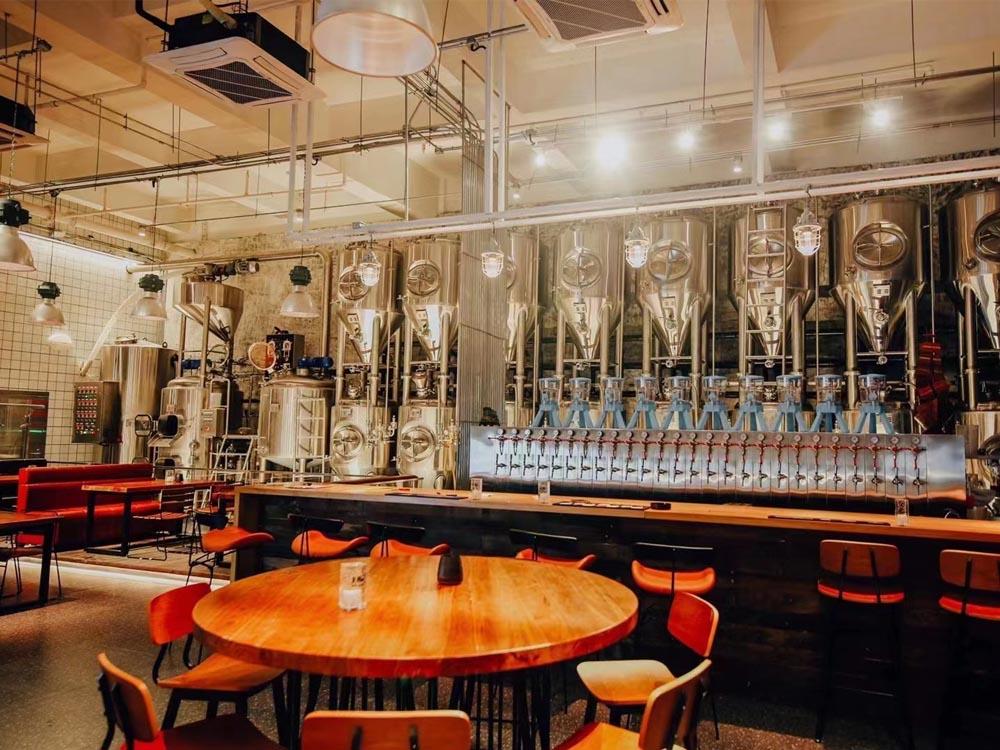
Office and Tasting Room: If you plan to have a taproom or tasting area, allocate separate space. Tasting rooms typically need 20-50 square meters (215-540 square feet), while an office may require 5-10 square meters (50-100 square feet).
Cleaning and Maintenance Areas: You’ll need space for a CIP (clean-in-place) system, utility sink, and storage for cleaning chemicals and equipment.
4. Consider Workflow Efficiency
Design the layout to allow smooth workflow from grain storage and milling to brewing, fermentation, packaging, and storage. Avoid bottlenecks and ensure that equipment is accessible for maintenance.
Space Between Equipment: Leave sufficient space between tanks and machinery for operators to move safely and for cleaning purposes, generally at least 1-2 meters (3-6 feet) between large tanks.
5. Plan for Future Expansion
If you anticipate scaling up production, consider leaving room for additional fermenters or a larger brewhouse. It’s often cost-effective to plan for future growth rather than having to move or significantly alter the facility later.
Modular Setup: Design your space in a modular fashion so that new equipment can be added without disrupting operations.
6. Calculate Total Space Needed
Here’s a basic calculation example for a medium-sized brewery:
Brewhouse (20HL): ~30 square meters
Fermentation Area (6 x 20HL tanks): ~25-30 square meters
Packaging Line: ~15-20 square meters
Cold Storage: ~15-20 square meters
Dry Storage: ~10-15 square meters
Utilities (chillers, compressors, CIP system): ~10-15 square meters
Office and Tasting Room: ~30-50 square meters (if applicable)
Total Estimated Space: Approximately 150-200 square meters (1,600-2,150 square feet), depending on your exact equipment and facility layout.
7. Other Considerations
Ceiling Height: Breweries often require high ceilings, especially for tall fermenters. Check the specifications for your tanks and allow clearance for installation and maintenance.
Access Points: Make sure doors and loading docks are wide enough for equipment delivery and materials handling.
Utilities and Drainage: Proper water, power, and drainage systems must be factored into your space planning.
By carefully evaluating your production goals and equipment needs, you can better estimate the size of the space required for your brewery. If possible, consult with a brewery architect or engineer to optimize your layout for efficiency and future growth. Let me know if you’d like more specific advice or calculations for your setup!
Part 2: How to evaluate whether land is suitable for building a brewery
Assessing whether a piece of land is suitable for a brewery involves several critical considerations, from location factors to infrastructure and zoning regulations. Here’s a comprehensive guide on what to evaluate:
1. Zoning and Permits
Local Zoning Laws: Check with local authorities to ensure that the land is zoned for industrial or commercial use, and specifically that it permits brewery operations. Some areas may have restrictions on manufacturing or alcohol production.
Permitting Requirements: Investigate whether any special permits or licenses are needed for construction, brewing, and wastewater management. Some areas may require environmental impact assessments.
2. Infrastructure and Utilities
Water Supply: Brewing requires a significant amount of high-quality water. Verify that the land has access to a reliable and ample water source. Also, check the water quality to determine if treatment will be necessary.
Power Supply: Ensure that there is a stable and adequate electricity supply to meet the demands of your brewery equipment, such as chillers, pumps, and packaging lines. You may also want to inquire about backup power options.
Sewage and Wastewater Management: Evaluate whether the land has appropriate sewage and drainage systems to handle brewery wastewater. This is crucial, as wastewater from brewing contains organic material and must be treated or managed according to local regulations.
Natural Gas or Propane: If your brewhouse uses gas for heating, confirm that gas lines are available or that there is space for propane storage.
3. Accessibility and Logistics
Proximity to Suppliers and Distributors: Choose a location that minimizes transportation costs and makes it easy to receive raw materials (like malt and hops) and distribute finished products.
Road Access and Traffic: Ensure the site has good road access for delivery trucks and customer vehicles if you plan to have a tasting room or retail space. Consider how truck routes and traffic flow will impact your operations.
Loading Docks and Parking: Check if the land has enough space for loading docks, as well as employee and visitor parking.
4. Space and Layout
Land Size: Ensure the land is large enough to accommodate your brewery’s current needs and future expansion plans, including outdoor storage areas, wastewater treatment, and parking.
Topography and Land Use: Evaluate the terrain to ensure it is level or can be easily graded for construction. Steep or rocky land may significantly increase building costs.
Drainage: Check how water drains from the land, as poor drainage can lead to flooding or stagnant water issues, especially in production areas.
5. Environmental Considerations
Flood Risk: Verify whether the land is in a floodplain or prone to flooding, as this can be a serious risk for brewery operations and insurance costs.
Soil Quality: Conduct a soil test to determine if it is suitable for construction. Certain soil conditions, like clay or sandy soil, may require additional foundation work, increasing construction costs.
Environmental Impact: Consider the potential environmental impact of your brewery on the local ecosystem, and whether any restrictions are in place to protect nearby water bodies or wildlife.
6. Legal and Community Considerations
Community Support: Research community attitudes toward breweries. Some communities are highly supportive of breweries because they can boost local tourism, while others may have concerns about noise, traffic, or environmental impact.
Neighboring Properties: Check the types of businesses or land uses nearby. Industrial neighbors could be beneficial if they already have the necessary infrastructure, while residential areas may pose challenges due to noise or odor complaints.
7. Construction and Building Considerations
Building Restrictions: Find out if there are height restrictions or architectural guidelines for new structures in the area. Some regions have strict building codes that could affect your design.
Foundation and Stability: Assess if the land is suitable for supporting the heavy loads of brewing equipment and tanks. This may require a geotechnical survey.
Climate and Weather: Consider how local weather conditions, like humidity, temperature, or frequent storms, may impact your brewing operations and equipment maintenance.
8. Financial Aspects
Land Cost: Evaluate if the cost of the land fits within your budget. Factor in any additional expenses for land preparation, infrastructure development, or meeting environmental regulations.
Tax Rates: Research local property and business taxes, as these can vary significantly and impact your operational costs.
Grants or Incentives: Check if the area offers any incentives for new businesses, especially those that create jobs or promote tourism.
9. Future Growth Potential
Consider the long-term growth potential of the land. If you plan to expand your brewery in the future, ensure there is sufficient space for new equipment, increased production, or a larger tasting room.
10. Consult Experts
Real Estate Agent: A local commercial real estate agent can provide insights into the area and help negotiate the purchase or lease terms.
Brewery Consultant: Hiring a consultant who specializes in brewery setups can be invaluable for assessing the land's suitability.
Architect and Engineer: Engage professionals to evaluate the feasibility of construction and to design the most efficient layout for your operations.
By carefully evaluating these factors, you can make an informed decision about whether the land is suitable for your brewery and avoid potential setbacks or costly modifications down the line. Let me know if you need help with any specific aspects of your land assessment!
Setting up a brewery needs considering much information. Let me help you! After you choose the basic beer brewing equipment configuration, welcome to send us the floor plan of your brewery land. Then, we will help to provide brewery system layout plan. Then, you could learn how much area that our beer brewing equipment will take up. Cheers!
Welcome to contact Nicole at [email protected] for customizing your beer brewing equipment. Let us assist you in setting up a functional brewery. Cheers!
Edited by Nicole
Sales manager | Tiantai beer equipment
Email: [email protected]
1. Assess Your Production Capacity
First, decide on your target production volume (e.g., 10HL, 20HL, or 50HL per batch) and the number of batches you plan to brew per week or month.
Higher production volumes will require larger brewing vessels and more space for fermentation, storage, and packaging.
2. Estimate Equipment Space Requirements
Brewhouse Area: Depending on the brewhouse size (e.g., 10HL, 20HL, or larger), the space needed typically ranges from 15 to 30 square meters (160-320 square feet) or more. You’ll also need space for hot and cold liquor tanks.
Fermentation Tanks: The number and size of fermenters are crucial. For example, a 20HL fermenter occupies roughly 3-4 square meters (32-43 square feet), so if you have multiple tanks, calculate accordingly.
Glycol Chiller: Allocate space near the fermentation area, often around 5-10 square meters (50-100 square feet) depending on the unit size.
Packaging Equipment: Bottling or canning lines can take up significant space, sometimes 10-20 square meters (100-215 square feet) or more, depending on the system.
3. Include Space for Support Areas
Cold Storage: Finished beer often needs to be stored cold before distribution. This area will vary based on your production volume but generally requires a minimum of 10-20 square meters (100-215 square feet).
Dry Storage: Space for malt, hops, and other ingredients, plus packaging materials. Plan for at least 10-15 square meters (100-160 square feet), depending on how much stock you intend to hold.
Office and Tasting Room: If you plan to have a taproom or tasting area, allocate separate space. Tasting rooms typically need 20-50 square meters (215-540 square feet), while an office may require 5-10 square meters (50-100 square feet).
Cleaning and Maintenance Areas: You’ll need space for a CIP (clean-in-place) system, utility sink, and storage for cleaning chemicals and equipment.
4. Consider Workflow Efficiency
Design the layout to allow smooth workflow from grain storage and milling to brewing, fermentation, packaging, and storage. Avoid bottlenecks and ensure that equipment is accessible for maintenance.
Space Between Equipment: Leave sufficient space between tanks and machinery for operators to move safely and for cleaning purposes, generally at least 1-2 meters (3-6 feet) between large tanks.
5. Plan for Future Expansion
If you anticipate scaling up production, consider leaving room for additional fermenters or a larger brewhouse. It’s often cost-effective to plan for future growth rather than having to move or significantly alter the facility later.
Modular Setup: Design your space in a modular fashion so that new equipment can be added without disrupting operations.
6. Calculate Total Space Needed
Here’s a basic calculation example for a medium-sized brewery:
Brewhouse (20HL): ~30 square meters
Fermentation Area (6 x 20HL tanks): ~25-30 square meters
Packaging Line: ~15-20 square meters
Cold Storage: ~15-20 square meters
Dry Storage: ~10-15 square meters
Utilities (chillers, compressors, CIP system): ~10-15 square meters
Office and Tasting Room: ~30-50 square meters (if applicable)
Total Estimated Space: Approximately 150-200 square meters (1,600-2,150 square feet), depending on your exact equipment and facility layout.
7. Other Considerations
Ceiling Height: Breweries often require high ceilings, especially for tall fermenters. Check the specifications for your tanks and allow clearance for installation and maintenance.
Access Points: Make sure doors and loading docks are wide enough for equipment delivery and materials handling.
Utilities and Drainage: Proper water, power, and drainage systems must be factored into your space planning.
By carefully evaluating your production goals and equipment needs, you can better estimate the size of the space required for your brewery. If possible, consult with a brewery architect or engineer to optimize your layout for efficiency and future growth. Let me know if you’d like more specific advice or calculations for your setup!
Part 2: How to evaluate whether land is suitable for building a brewery
Assessing whether a piece of land is suitable for a brewery involves several critical considerations, from location factors to infrastructure and zoning regulations. Here’s a comprehensive guide on what to evaluate:
1. Zoning and Permits
Local Zoning Laws: Check with local authorities to ensure that the land is zoned for industrial or commercial use, and specifically that it permits brewery operations. Some areas may have restrictions on manufacturing or alcohol production.
Permitting Requirements: Investigate whether any special permits or licenses are needed for construction, brewing, and wastewater management. Some areas may require environmental impact assessments.
2. Infrastructure and Utilities
Water Supply: Brewing requires a significant amount of high-quality water. Verify that the land has access to a reliable and ample water source. Also, check the water quality to determine if treatment will be necessary.
Power Supply: Ensure that there is a stable and adequate electricity supply to meet the demands of your brewery equipment, such as chillers, pumps, and packaging lines. You may also want to inquire about backup power options.
Sewage and Wastewater Management: Evaluate whether the land has appropriate sewage and drainage systems to handle brewery wastewater. This is crucial, as wastewater from brewing contains organic material and must be treated or managed according to local regulations.
Natural Gas or Propane: If your brewhouse uses gas for heating, confirm that gas lines are available or that there is space for propane storage.
3. Accessibility and Logistics
Proximity to Suppliers and Distributors: Choose a location that minimizes transportation costs and makes it easy to receive raw materials (like malt and hops) and distribute finished products.
Road Access and Traffic: Ensure the site has good road access for delivery trucks and customer vehicles if you plan to have a tasting room or retail space. Consider how truck routes and traffic flow will impact your operations.
Loading Docks and Parking: Check if the land has enough space for loading docks, as well as employee and visitor parking.
4. Space and Layout
Land Size: Ensure the land is large enough to accommodate your brewery’s current needs and future expansion plans, including outdoor storage areas, wastewater treatment, and parking.
Topography and Land Use: Evaluate the terrain to ensure it is level or can be easily graded for construction. Steep or rocky land may significantly increase building costs.
Drainage: Check how water drains from the land, as poor drainage can lead to flooding or stagnant water issues, especially in production areas.
5. Environmental Considerations
Flood Risk: Verify whether the land is in a floodplain or prone to flooding, as this can be a serious risk for brewery operations and insurance costs.
Soil Quality: Conduct a soil test to determine if it is suitable for construction. Certain soil conditions, like clay or sandy soil, may require additional foundation work, increasing construction costs.
Environmental Impact: Consider the potential environmental impact of your brewery on the local ecosystem, and whether any restrictions are in place to protect nearby water bodies or wildlife.
6. Legal and Community Considerations
Community Support: Research community attitudes toward breweries. Some communities are highly supportive of breweries because they can boost local tourism, while others may have concerns about noise, traffic, or environmental impact.
Neighboring Properties: Check the types of businesses or land uses nearby. Industrial neighbors could be beneficial if they already have the necessary infrastructure, while residential areas may pose challenges due to noise or odor complaints.
7. Construction and Building Considerations
Building Restrictions: Find out if there are height restrictions or architectural guidelines for new structures in the area. Some regions have strict building codes that could affect your design.
Foundation and Stability: Assess if the land is suitable for supporting the heavy loads of brewing equipment and tanks. This may require a geotechnical survey.
Climate and Weather: Consider how local weather conditions, like humidity, temperature, or frequent storms, may impact your brewing operations and equipment maintenance.
8. Financial Aspects
Land Cost: Evaluate if the cost of the land fits within your budget. Factor in any additional expenses for land preparation, infrastructure development, or meeting environmental regulations.
Tax Rates: Research local property and business taxes, as these can vary significantly and impact your operational costs.
Grants or Incentives: Check if the area offers any incentives for new businesses, especially those that create jobs or promote tourism.
9. Future Growth Potential
Consider the long-term growth potential of the land. If you plan to expand your brewery in the future, ensure there is sufficient space for new equipment, increased production, or a larger tasting room.
10. Consult Experts
Real Estate Agent: A local commercial real estate agent can provide insights into the area and help negotiate the purchase or lease terms.
Brewery Consultant: Hiring a consultant who specializes in brewery setups can be invaluable for assessing the land's suitability.
Architect and Engineer: Engage professionals to evaluate the feasibility of construction and to design the most efficient layout for your operations.
By carefully evaluating these factors, you can make an informed decision about whether the land is suitable for your brewery and avoid potential setbacks or costly modifications down the line. Let me know if you need help with any specific aspects of your land assessment!
Setting up a brewery needs considering much information. Let me help you! After you choose the basic beer brewing equipment configuration, welcome to send us the floor plan of your brewery land. Then, we will help to provide brewery system layout plan. Then, you could learn how much area that our beer brewing equipment will take up. Cheers!
Welcome to contact Nicole at [email protected] for customizing your beer brewing equipment. Let us assist you in setting up a functional brewery. Cheers!
Edited by Nicole
Sales manager | Tiantai beer equipment
Email: [email protected]

.jpg)