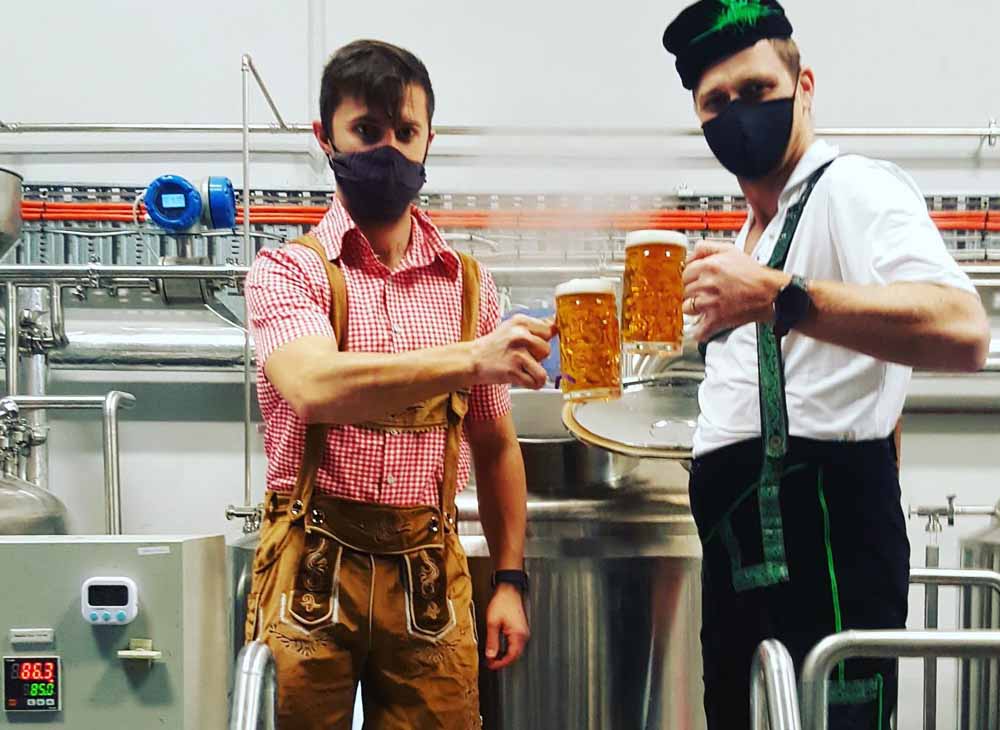
How Rum Is Made: From Fermentation to Bottling
- May 25, 2026
- 175
- tiantai
Producing high-quality rum requires a careful combination of raw materials, fermentation, distillation, and aging. Each step influences the final alcohol content, aroma, and flavor profile. Understanding the common rum production processes, along with their critical parameters, is essential for distillers aiming for consistency, efficiency, and premium quality.
1. Raw Material Preparation
Rum production typically starts with sugarcane juice, molasses, or a combination of both. The sugar content of the raw material determines the potential alcohol yield.
Sugarcane juice: 12–15° Brix
Molasses: 50–55% sugar content
Water quality is critical. Soft, low-mineral water ensures consistent fermentation and prevents off-flavors. Many modern distilleries use water treatment systems to maintain purity.
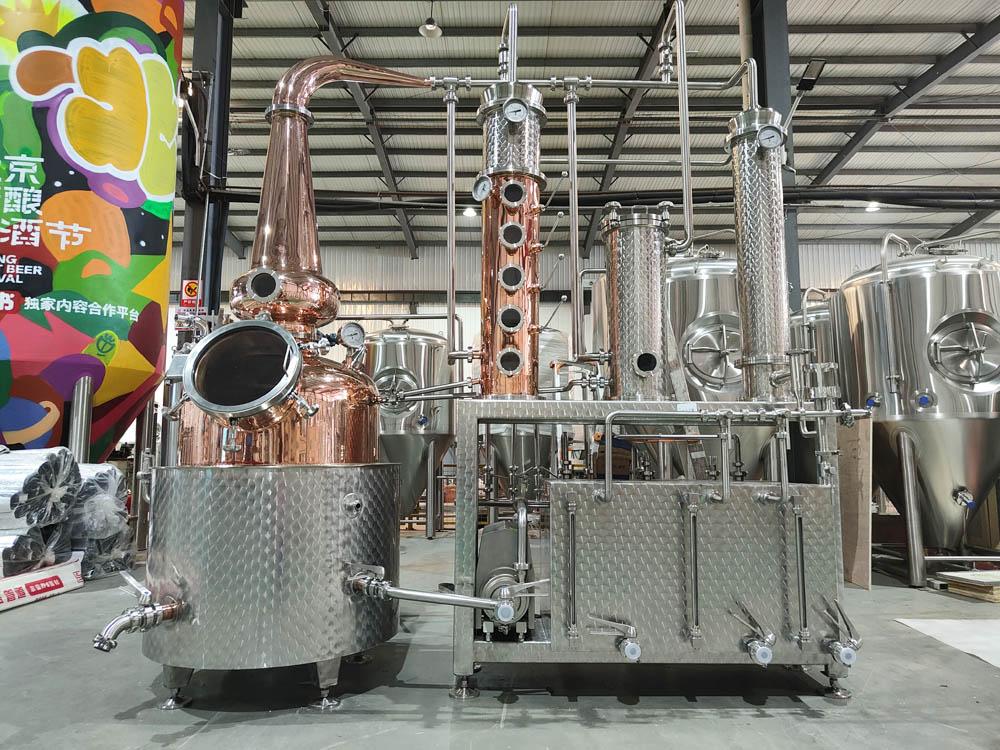
2. Fermentation
Fermentation converts sugars into alcohol and aromatic compounds using yeast. Parameters depend on raw material and desired rum style:
Parameter Typical Range Notes
Yeast strain Saccharomyces cerevisiae Specialized strains for rum
Temperature 25–32°C (cane juice), 28–35°C (molasses) Higher temps accelerate fermentation, lower temps preserve aromatics
Duration 24–72 hours (cane juice) 48–72 hours for molasses to develop deeper flavors
Sugar concentration (°Brix) 12–18 Adjusted based on raw material
Final ABV before distillation 6–10% Typical “wash” for rum distillation
Longer fermentation can enhance ester and fruity notes, especially in agricole-style rums. Shorter fermentation favors lighter, cleaner spirits.
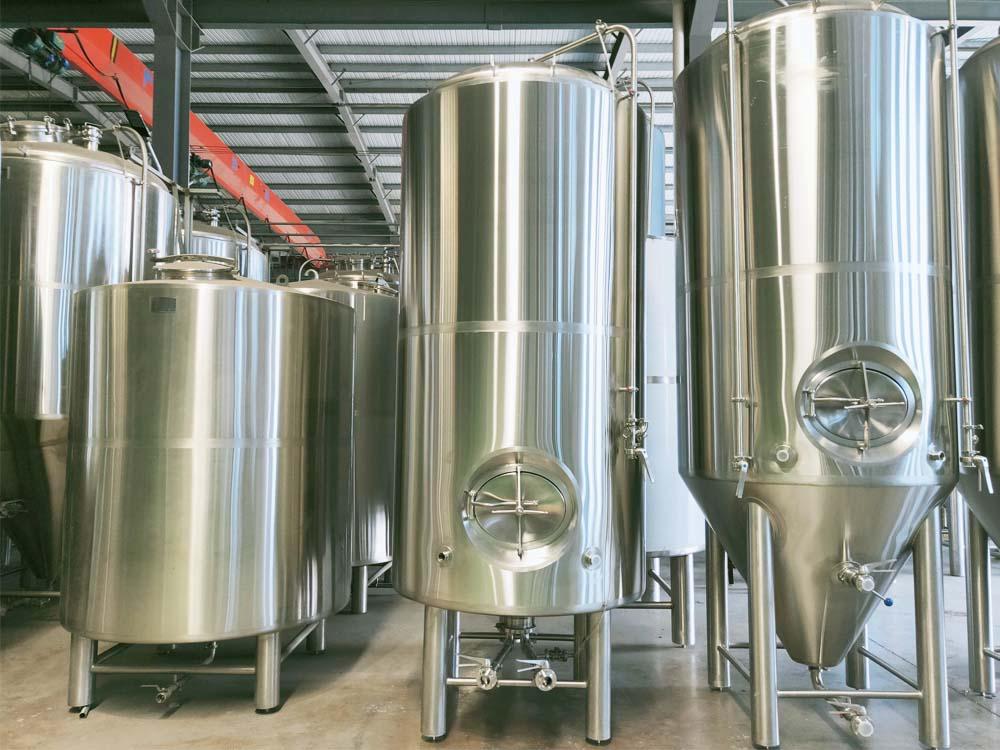
3. Distillation
Distillation concentrates alcohol and separates desirable flavors from undesirable compounds. Equipment and process parameters vary with style:
Rum Style Still Type Target ABV Plates / Passes Notes
Agricole / Light Pot Still 65–70% Single pass Retains grassy, fresh aromas
Molasses / Dark Pot Still 70–75% Single pass Enhances caramel and spice flavors
Neutral / Light Column Still 90–95% 10–12 plates Clean, high-proof distillate
Hybrid / Premium Pot + Column 70–90% 8–12 plates Combines richness and purity
Temperature control, reflux rate, and copper contact are key. Modern systems allow digital monitoring and programmable recipes for precise fraction separation.
4. Aging and Blending
Aging contributes color, aroma, and smoothness. Oak barrels are commonly used, with parameters:
Barrel type: American or French oak
Toasting level: Light to medium for delicate flavor; heavy for richer notes
Duration: 6 months to 3 years for standard rum; longer for premium rums
Temperature & humidity: Climate affects evaporation (the “angel’s share”) and maturation rate
Blending ensures consistency, combining rums of different ages, ABVs, and raw materials to achieve the desired flavor profile.
5. Bottling
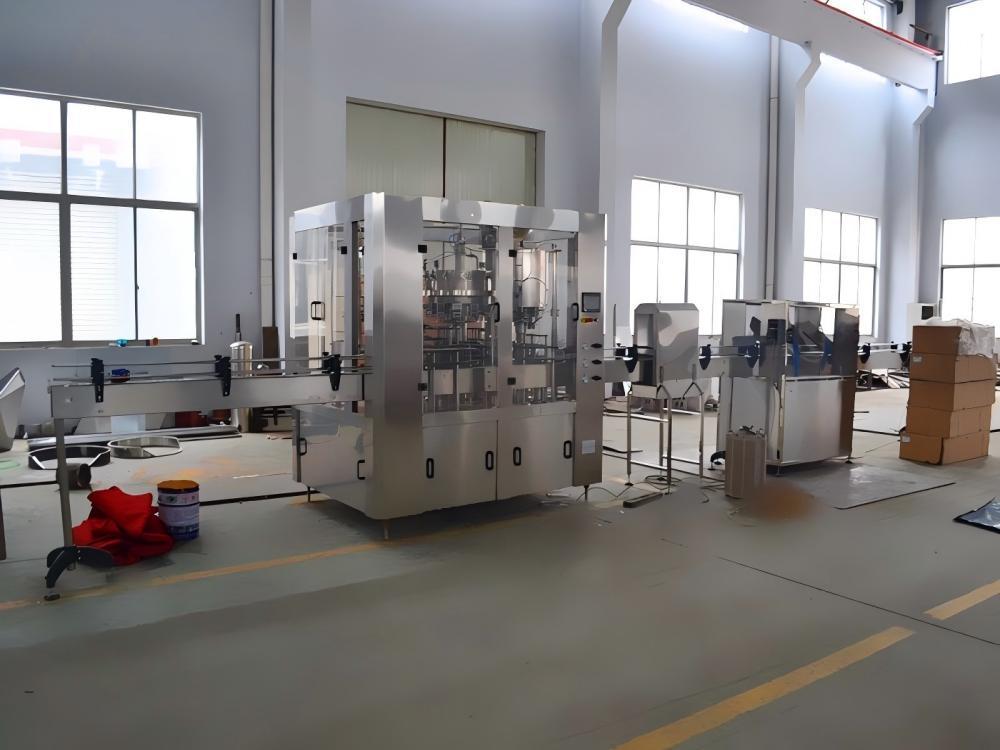
Before bottling, rums are diluted to market ABV (typically 37.5–40%) and filtered to remove impurities. Advanced production setups include automated bottling lines for efficiency and quality control.
Conclusion
From raw material selection to fermentation, distillation, aging, and bottling, rum production is a complex process where equipment and process parameters directly impact the final product. Modern distillation systems, precise temperature and pressure control, and proper fermentation management allow distillers to produce consistent, high-quality rum, whether light and fruity, rich and dark, or neutral for blends. By understanding these processes and optimizing equipment and conditions, producers can craft rum that meets both traditional standards and modern market expectations.
Contact Nicole now to discuss your Rum production plan and customize your Rum distillery unit. Cheers!
Email: [email protected]
Sales manager of Tiantai brewtech co
1. Raw Material Preparation
Rum production typically starts with sugarcane juice, molasses, or a combination of both. The sugar content of the raw material determines the potential alcohol yield.
Sugarcane juice: 12–15° Brix
Molasses: 50–55% sugar content
Water quality is critical. Soft, low-mineral water ensures consistent fermentation and prevents off-flavors. Many modern distilleries use water treatment systems to maintain purity.
2. Fermentation
Fermentation converts sugars into alcohol and aromatic compounds using yeast. Parameters depend on raw material and desired rum style:
Parameter Typical Range Notes
Yeast strain Saccharomyces cerevisiae Specialized strains for rum
Temperature 25–32°C (cane juice), 28–35°C (molasses) Higher temps accelerate fermentation, lower temps preserve aromatics
Duration 24–72 hours (cane juice) 48–72 hours for molasses to develop deeper flavors
Sugar concentration (°Brix) 12–18 Adjusted based on raw material
Final ABV before distillation 6–10% Typical “wash” for rum distillation
Longer fermentation can enhance ester and fruity notes, especially in agricole-style rums. Shorter fermentation favors lighter, cleaner spirits.
3. Distillation
Distillation concentrates alcohol and separates desirable flavors from undesirable compounds. Equipment and process parameters vary with style:
Rum Style Still Type Target ABV Plates / Passes Notes
Agricole / Light Pot Still 65–70% Single pass Retains grassy, fresh aromas
Molasses / Dark Pot Still 70–75% Single pass Enhances caramel and spice flavors
Neutral / Light Column Still 90–95% 10–12 plates Clean, high-proof distillate
Hybrid / Premium Pot + Column 70–90% 8–12 plates Combines richness and purity
Temperature control, reflux rate, and copper contact are key. Modern systems allow digital monitoring and programmable recipes for precise fraction separation.
4. Aging and Blending
Aging contributes color, aroma, and smoothness. Oak barrels are commonly used, with parameters:
Barrel type: American or French oak
Toasting level: Light to medium for delicate flavor; heavy for richer notes
Duration: 6 months to 3 years for standard rum; longer for premium rums
Temperature & humidity: Climate affects evaporation (the “angel’s share”) and maturation rate
Blending ensures consistency, combining rums of different ages, ABVs, and raw materials to achieve the desired flavor profile.
5. Bottling
Before bottling, rums are diluted to market ABV (typically 37.5–40%) and filtered to remove impurities. Advanced production setups include automated bottling lines for efficiency and quality control.
Conclusion
From raw material selection to fermentation, distillation, aging, and bottling, rum production is a complex process where equipment and process parameters directly impact the final product. Modern distillation systems, precise temperature and pressure control, and proper fermentation management allow distillers to produce consistent, high-quality rum, whether light and fruity, rich and dark, or neutral for blends. By understanding these processes and optimizing equipment and conditions, producers can craft rum that meets both traditional standards and modern market expectations.
Contact Nicole now to discuss your Rum production plan and customize your Rum distillery unit. Cheers!
Email: [email protected]
Sales manager of Tiantai brewtech co
.jpg)