Do you know how to brew honey wine?
- Jun 01, 2026
- 167
- tiantai
Honey wine, normally know as mead, is one of the oldest alcoholic beverages in human history. Made from natural honey, water, and yeast, mead combines traditional craftsmanship with modern fermentation technology to create a beverage with rich aroma, smooth mouthfeel, and endless flavor possibilities. The equipment we need to use is similiar with brewing equipment for beer or kombucha.
Here let us introduce you the main mead brewing process:
1. Honey Preparation
High-quality natural honey is diluted with purified water to achieve the desired sugar concentration. Different honey varieties such as wildflower, acacia, orange blossom, or buckwheat honey can create unique flavor profiles.
2. Wort Mixing & Sterilization
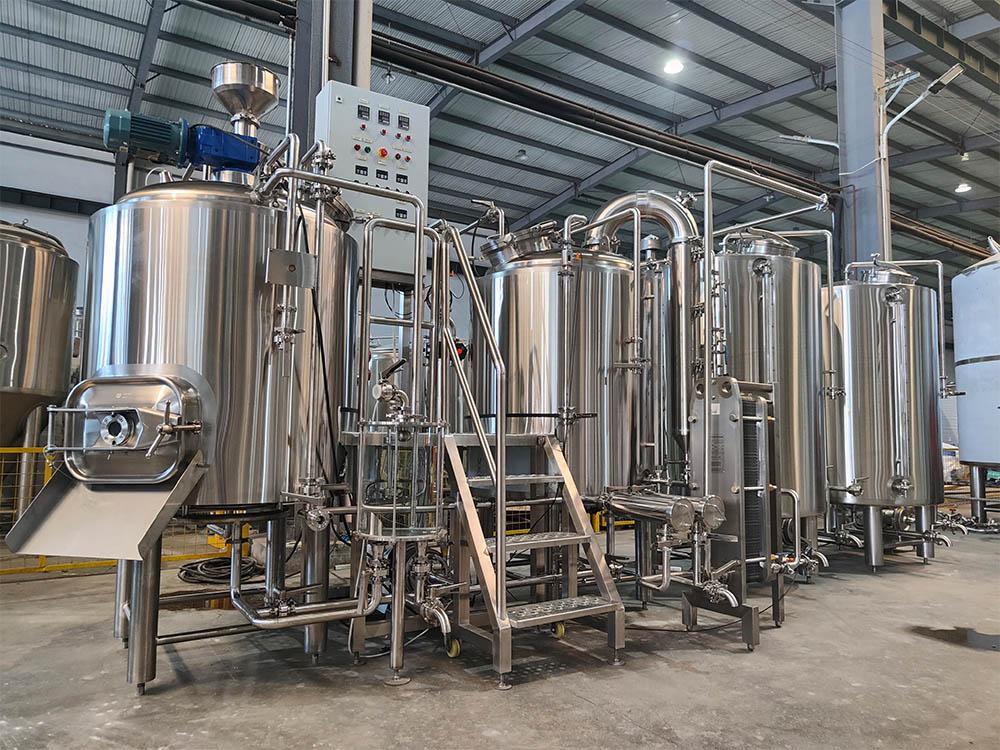
The honey-water mixture is transferred into a mixing or brewing tank where it may be gently heated for sterilization and clarification. Nutrients are added to support healthy yeast fermentation. The tank can be heated by steam or electric, an agitator also included to achieve uniform mixing and heating.
The basic equipment includes mixing tank, hot water tank(optional), heating system, plate heat exchanger for efficient cooling, sanitary pump and piping.
3. Fermentation
After cooling, yeast is pitched into the fermentation tank. Depending on the recipe and temperature, fermentation may last from several days to several weeks.
Modern stainless steel fermenters provide:
- Precise temperature control
- Pressure resistance
- CIP cleaning system
- Glycol cooling jacket with insulation
4. Aging & Maturation
Mead can be aged in stainless steel tanks or oak barrels to develop more complex aromas and smoother taste. Some premium meads mature for several months or even years.
5. Filtration & Carbonation
Depending on the product style:
- Still mead may go directly to packaging
- Sparkling mead requires carbonation
Filtration systems such as cartridge filters or kieselguhr filters help improve clarity and shelf stability.
6. Filling & Packaging
The finished mead is filled into glass bottles.
Automatic filling systems ensure accurate filling levels and low oxygen pickup.
Consumers increasingly seek:
- Natural ingredients
- Low-additive alcoholic beverages
- Unique craft flavors
- Gluten-free alternatives
So now mead is Growing Worldwide and preferred by many customers.
Mead perfectly matches these trends, making it one of the fastest-growing craft beverage categories.
Tiantai, provides complete turnkey brewery solutions, includes:
- Honey mixing systems
- Beer brewing equipment
- Cider brewing equipment
- Kombucha brewery equipment
- Fermentation tanks
- CIP cleaning systems
- Filtration equipment
- Bottling and canning lines
- Tunnel Pasteurizer or Flash Pasteurizer
From pilot-scale craft mead production to large industrial mead factories, Tiantai helps customers build efficient, hygienic, and reliable mead brewing systems tailored to different recipes and production capacities. If you are looking for mead or other beverages production solutions, we are at your disposal anytime.
Derrick
Sales Manager
[email protected]
Tiantai Beer Equipment
Here let us introduce you the main mead brewing process:
1. Honey Preparation
High-quality natural honey is diluted with purified water to achieve the desired sugar concentration. Different honey varieties such as wildflower, acacia, orange blossom, or buckwheat honey can create unique flavor profiles.
2. Wort Mixing & Sterilization
The honey-water mixture is transferred into a mixing or brewing tank where it may be gently heated for sterilization and clarification. Nutrients are added to support healthy yeast fermentation. The tank can be heated by steam or electric, an agitator also included to achieve uniform mixing and heating.
The basic equipment includes mixing tank, hot water tank(optional), heating system, plate heat exchanger for efficient cooling, sanitary pump and piping.
3. Fermentation
After cooling, yeast is pitched into the fermentation tank. Depending on the recipe and temperature, fermentation may last from several days to several weeks.
Modern stainless steel fermenters provide:
- Precise temperature control
- Pressure resistance
- CIP cleaning system
- Glycol cooling jacket with insulation
4. Aging & Maturation
Mead can be aged in stainless steel tanks or oak barrels to develop more complex aromas and smoother taste. Some premium meads mature for several months or even years.
5. Filtration & Carbonation
Depending on the product style:
- Still mead may go directly to packaging
- Sparkling mead requires carbonation
Filtration systems such as cartridge filters or kieselguhr filters help improve clarity and shelf stability.
6. Filling & Packaging
The finished mead is filled into glass bottles.
Automatic filling systems ensure accurate filling levels and low oxygen pickup.
Consumers increasingly seek:
- Natural ingredients
- Low-additive alcoholic beverages
- Unique craft flavors
- Gluten-free alternatives
So now mead is Growing Worldwide and preferred by many customers.
Mead perfectly matches these trends, making it one of the fastest-growing craft beverage categories.
Tiantai, provides complete turnkey brewery solutions, includes:
- Honey mixing systems
- Beer brewing equipment
- Cider brewing equipment
- Kombucha brewery equipment
- Fermentation tanks
- CIP cleaning systems
- Filtration equipment
- Bottling and canning lines
- Tunnel Pasteurizer or Flash Pasteurizer
From pilot-scale craft mead production to large industrial mead factories, Tiantai helps customers build efficient, hygienic, and reliable mead brewing systems tailored to different recipes and production capacities. If you are looking for mead or other beverages production solutions, we are at your disposal anytime.
Derrick
Sales Manager
[email protected]
Tiantai Beer Equipment

.jpg)