From Beer to Malt Drinks: Expanding the Use of Your Brewhouse
- Jul 21, 2026
- 90
- tiantai
When people think of a brewery, beer is usually the first product that comes to mind. However, modern brewhouse systems are capable of producing much more than alcoholic beverages.
In recent years, the demand for non-alcoholic malt beverages, malt-based soft drinks, and functional malt drinks has grown rapidly in many markets around the world. For beverage producers looking to enter this segment, a common question arises:
Can a brewery system be used to produce malt beverages?
The answer is yes.
In fact, the front-end production process for many malt beverages is very similar to beer brewing, making a brewhouse an ideal foundation for malt drink production.
What Are Malt Beverages?
What Are Malt Beverages?
Malt beverages are drinks produced from malted grains, typically barley, which provide the characteristic malt flavor, color, and nutritional components.
Popular products include:
Non-alcoholic malt drinks
Malt soft drinks
Energy malt beverages
Vitamin-enriched malt beverages
Traditional malt drinks popular in Africa, the Middle East, and Latin America
Unlike beer, these products are typically produced with little or no alcohol content while retaining the rich flavor and nutritional benefits of malt.
Which Brewhouse Equipment Can Be Used?
Similar Production Process to Brewing
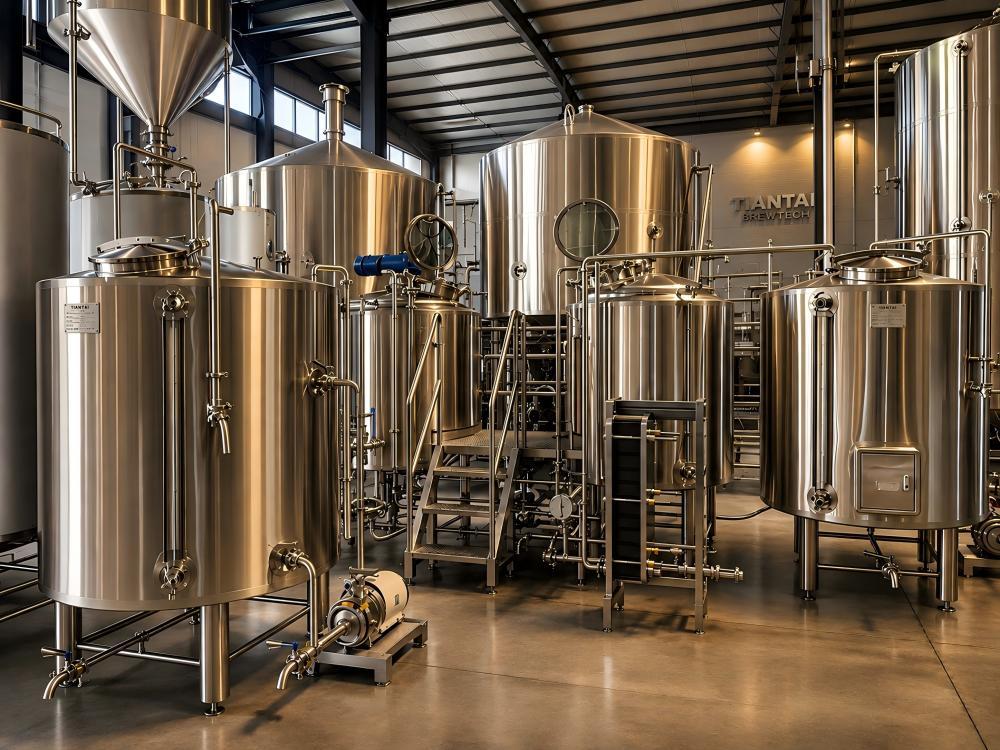
The reason a brewery system can be used for malt beverage production is simple: both products begin with wort production.
A typical malt beverage process may include:
Malt Handling
↓
Milling
↓
Mashing
↓
Lautering
↓
Wort Production
↓
Cooling
↓
Blending / Flavor Adjustment
↓
Pasteurization
↓
Filling
The milling, mashing, lautering, and wort production stages are virtually identical to those used in beer brewing. This means the brewhouse serves as the core production unit for both applications.
Which Brewhouse Equipment Can Be Used?
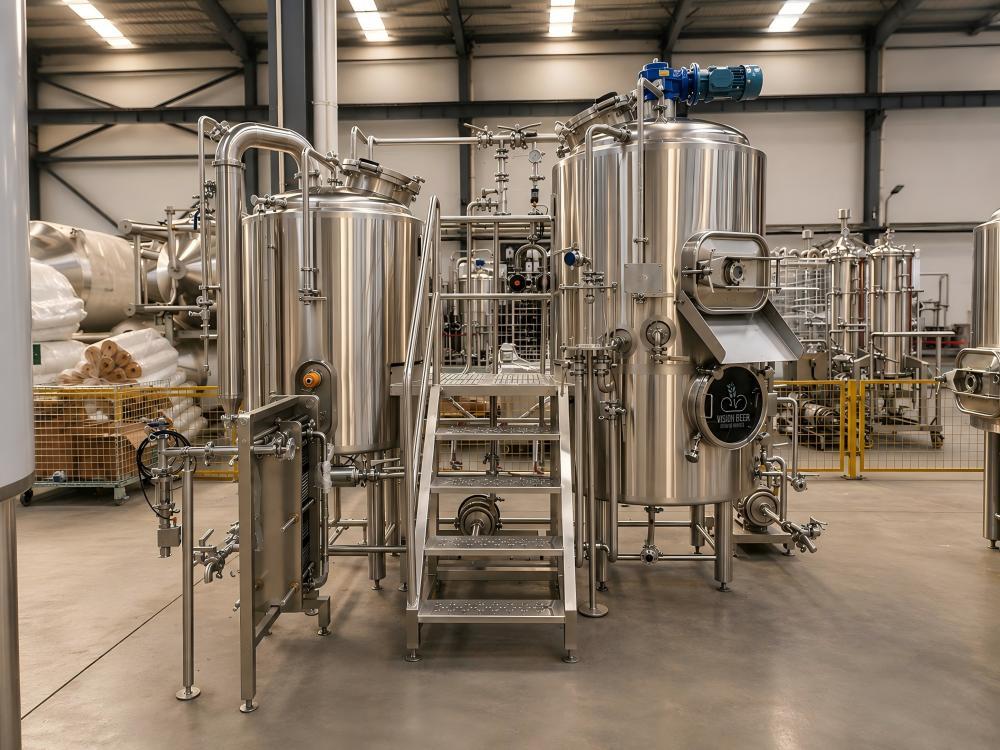
A standard brewery system already contains most of the equipment required for malt beverage production.
Typical equipment includes:
-Malt mill
-Grist handling equipment
-Grist silo (optional)
Brewhouse System
-Mash tun
-Lauter tun
-Brew kettle
-Whirlpool
-Hot liquor tank
Wort Handling System
-Heat exchanger
-Wort pumps
-Piping and valves
...
These components are responsible for extracting sugars, flavor compounds, color, and nutrients from malted grains. The resulting wort can then be used as the base for a wide range of malt beverages.
Additional Equipment for Malt Beverage Production
Depending on the final product, some additional equipment may be required after the brewhouse stage:
-Mixing tanks
-Storage tanks
-Filtration systems
-Flash pasteurizer or tunnel pasteurizer
-Carbonation system (optional)
-Can, bottle, or PET filling line
The exact configuration depends on the desired product style and packaging format.
A Flexible Investment for Future Growth
One advantage of using a brewhouse for malt beverage production is flexibility. Producers can:
-Brew traditional beer
-Produce alcohol-free malt beverages
-Develop flavored malt drinks
-Create new beverage formulations for local markets
This flexibility helps maximize equipment utilization and creates additional business opportunities without requiring a completely separate production facility.
Tiantai Brewtech Brewhouse Solutions
At Tiantai Brewtech, our brewhouse systems are designed for more than just beer production.
Whether your goal is to brew great beer or develop the next successful malt beverage brand, a well-designed brewhouse can provide the foundation for long-term growth.
Tiantai Brewtech – Professional Brewing and Beverage Equipment Solutions.
Amanda
Sales Manager
.jpg)

.jpg)