
Fermentation Tank Design in Breweries: Integrated Piping vs. Flexible Hoses
- Mar 20, 2026
- 135
- tiantai
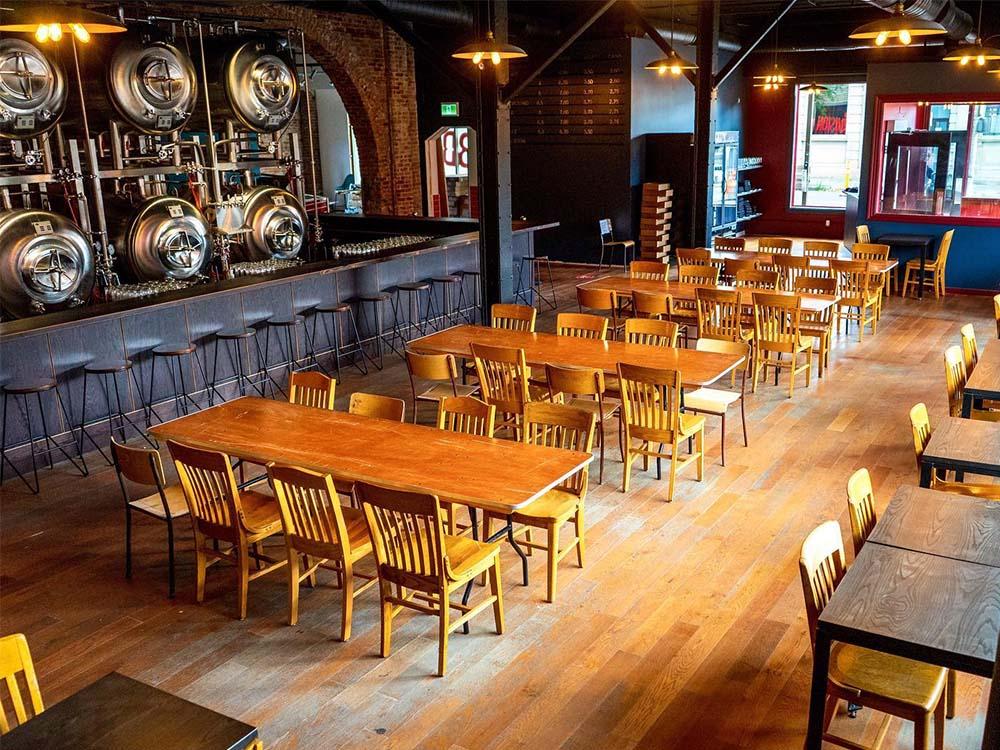
In modern brewery design, beer fermentation tanks are often seen as the heart of the entire production process. They are where wort transforms into beer, where flavor develops, and where consistency is either achieved—or lost. Yet, when evaluating fermentation systems, many brewers notice an interesting difference: some tanks are equipped with stainless steel pipe corridors and manifolds , while others rely on simpler, hose-based connections.
At first glance, this might seem like a minor design variation. In reality, it reflects a much deeper choice about how a brewery operates—its level of automation, production efficiency, hygiene standards, and long-term scalability.
I. Automation: The Core Difference
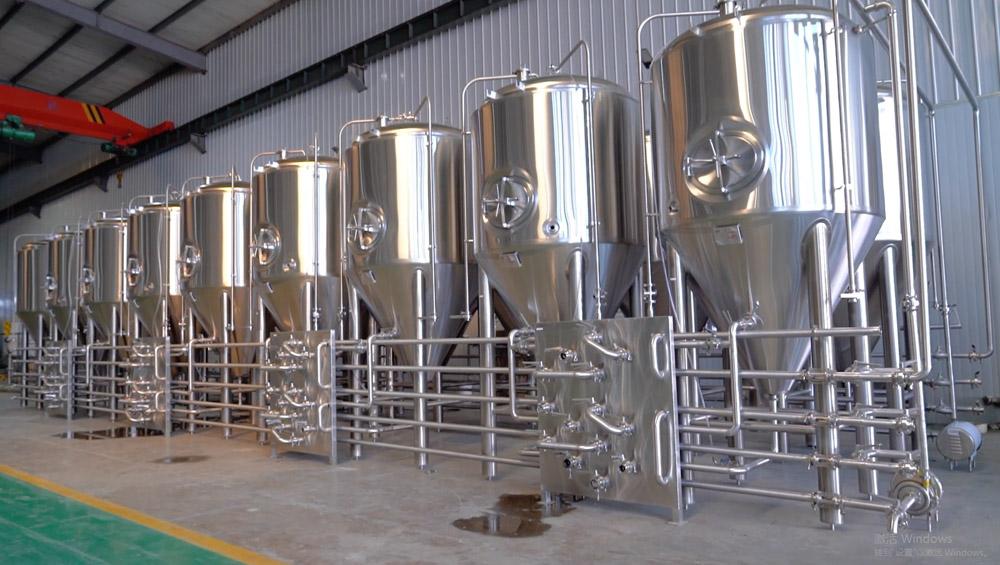
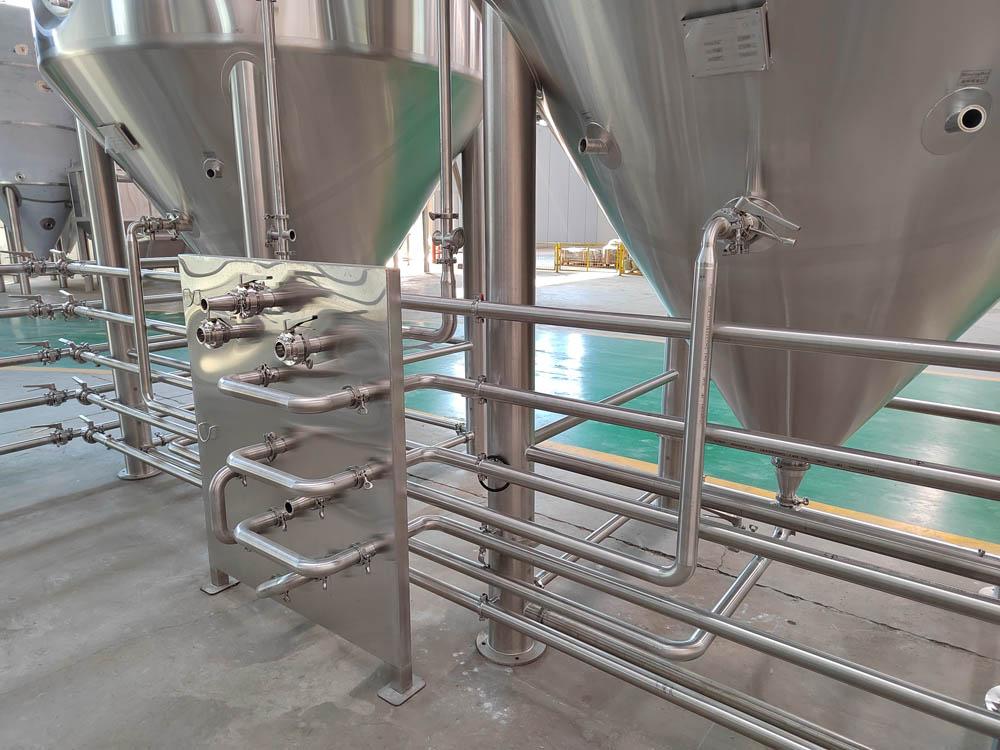
One of the most significant distinctions lies in automation. Beer fermentation tanks equipped with stainless steel pipe corridors and manifolds are typically part of a more advanced, automated brewing system. In these setups, pipelines for CIP (clean-in-place), glycol cooling, CO₂ management, sampling, and beer transfer are all integrated into a fixed network. Valves—often pneumatic—allow brewers to control flows with precision, sometimes even from a central control panel.
This level of automation reduces the need for manual intervention. Brewers can clean tanks, transfer beer, and manage fermentation conditions with minimal physical handling. The result is not only improved efficiency but also greater consistency from batch to batch.
In contrast, brewery systems without pipe corridors and manifolds rely heavily on manual hose connections. While this approach offers flexibility, it requires more labor and introduces variability. Each connection must be made and checked by hand, increasing the chance of human error. For smaller operations or breweries that prioritize hands-on craftsmanship, this may be acceptable—or even desirable.
II. Cleaning and Hygiene Standards
Hygiene is non-negotiable in brewing. Even minor contamination can ruin an entire batch. This is where integrated piping systems truly shine.
With a fixed stainless steel pipe corridor and manifold, CIP processes can be fully automated. Cleaning solutions flow through predefined circuits, ensuring that every tank and pipeline is thoroughly sanitized. Because the system is closed, the risk of external contamination is significantly reduced.
On the other hand, manual systems require brewers to connect hoses for each cleaning cycle. While effective when done properly, this method is more time-consuming and depends heavily on operator discipline. In busy production environments, this can become a bottleneck.
III. Process Complexity and Flexibility
As breweries grow, their processes often become more complex. They may introduce yeast propagation systems, multi-stage fermentation, or advanced filtration methods. In such cases, an integrated piping system becomes almost essential.
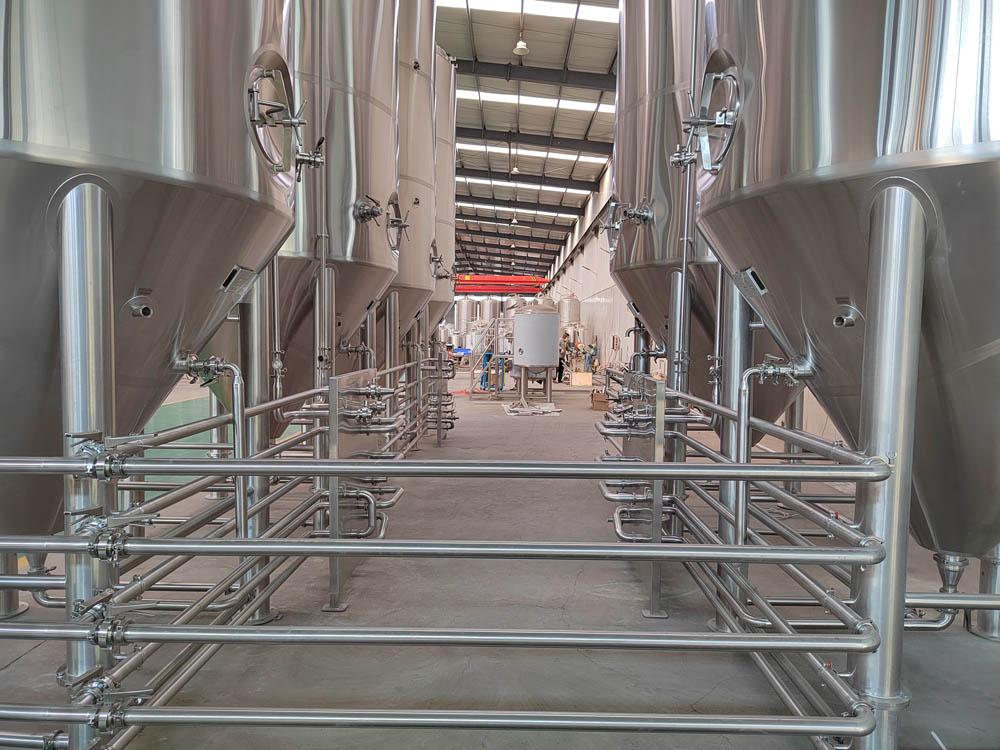
With a stainless steel pipe corridor and manifold, multiple tanks can be connected seamlessly. Wort can be routed, cooled, or transferred between vessels with minimal effort. Yeast can be harvested and reused efficiently. CO₂ can be recovered and managed systematically.
However, simplicity has its advantages. Smaller craft breweries or pilot brewery systems often benefit from hose-based setups. These allow brewers to experiment, reconfigure layouts, and adapt processes without being constrained by fixed piping. For startups or breweries with limited production volumes, this flexibility can outweigh the benefits of automation.
IV. Space Utilization and Layout
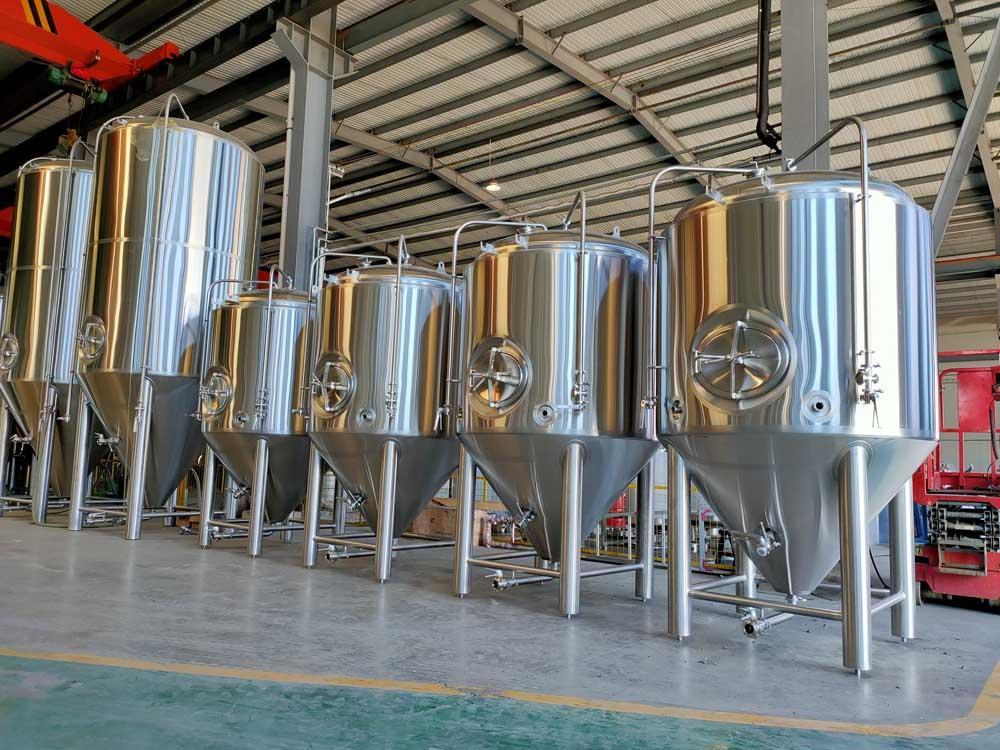
Another factor to consider is physical layout. Integrated pipe racks—whether mounted higher—create a clean, organized appearance. Pipelines are routed neatly, reducing clutter on the brewery floor. This not only improves aesthetics but also enhances safety by minimizing trip hazards and simplifying cleaning.
In contrast, hose-based systems can result in a more crowded workspace. Hoses may run across the floor during transfers or cleaning operations, requiring careful management. While this is manageable in smaller facilities, it can become challenging as production scales up.
V. Investment and Long-Term Value
Cost is often the deciding factor. Stainless steel piping systems require a higher initial investment. Beyond the fermenation tanks themselves, breweries must invest in pipes, valves, automation controls, and installation.
However, this upfront cost can translate into long-term savings. Reduced labor, faster turnaround times, and improved product consistency all contribute to higher efficiency and profitability. For breweries planning significant growth, the investment often pays off.
On the other hand, hose-based systems offer a lower barrier to entry. They are ideal for new breweries, pilot projects, or operations testing the market. By minimizing initial costs, brewers can focus resources on recipe development, branding, and market expansion.
VI. Choosing the Right Solution
There is no one-size-fits-all answer. The choice between fermentation tanks with or without stainless steel pipe manifolds depends on several factors:
- Production scale: Larger breweries benefit more from automation
- Budget: Initial investment vs. long-term efficiency
- Process complexity: Simple vs. multi-stage brewing operations
- Labor availability: Manual vs. automated workflows
- Future plans: Expansion potential and scalability
For many breweries, the journey begins with a simpler setup and evolves over time. As production increases and processes become more refined, upgrading to an integrated piping system becomes a natural next step.
VII. Final Thoughts
Fermentation tanks may look similar on the outside, but the systems surrounding them tell a much richer story. Whether equipped with a sophisticated stainless steel pipe corridor and manifold or connected through flexible hoses, each configuration represents a different philosophy of brewing.
Ultimately, the best choice is the one that aligns with your brewery’s goals. Whether you prioritize craftsmanship and flexibility or efficiency and automation, understanding these design differences will help you build a system that supports your vision—and ensures every batch meets your standards.
At first glance, this might seem like a minor design variation. In reality, it reflects a much deeper choice about how a brewery operates—its level of automation, production efficiency, hygiene standards, and long-term scalability.
I. Automation: The Core Difference
One of the most significant distinctions lies in automation. Beer fermentation tanks equipped with stainless steel pipe corridors and manifolds are typically part of a more advanced, automated brewing system. In these setups, pipelines for CIP (clean-in-place), glycol cooling, CO₂ management, sampling, and beer transfer are all integrated into a fixed network. Valves—often pneumatic—allow brewers to control flows with precision, sometimes even from a central control panel.
This level of automation reduces the need for manual intervention. Brewers can clean tanks, transfer beer, and manage fermentation conditions with minimal physical handling. The result is not only improved efficiency but also greater consistency from batch to batch.
In contrast, brewery systems without pipe corridors and manifolds rely heavily on manual hose connections. While this approach offers flexibility, it requires more labor and introduces variability. Each connection must be made and checked by hand, increasing the chance of human error. For smaller operations or breweries that prioritize hands-on craftsmanship, this may be acceptable—or even desirable.
II. Cleaning and Hygiene Standards
Hygiene is non-negotiable in brewing. Even minor contamination can ruin an entire batch. This is where integrated piping systems truly shine.
With a fixed stainless steel pipe corridor and manifold, CIP processes can be fully automated. Cleaning solutions flow through predefined circuits, ensuring that every tank and pipeline is thoroughly sanitized. Because the system is closed, the risk of external contamination is significantly reduced.
On the other hand, manual systems require brewers to connect hoses for each cleaning cycle. While effective when done properly, this method is more time-consuming and depends heavily on operator discipline. In busy production environments, this can become a bottleneck.
III. Process Complexity and Flexibility
As breweries grow, their processes often become more complex. They may introduce yeast propagation systems, multi-stage fermentation, or advanced filtration methods. In such cases, an integrated piping system becomes almost essential.
With a stainless steel pipe corridor and manifold, multiple tanks can be connected seamlessly. Wort can be routed, cooled, or transferred between vessels with minimal effort. Yeast can be harvested and reused efficiently. CO₂ can be recovered and managed systematically.
However, simplicity has its advantages. Smaller craft breweries or pilot brewery systems often benefit from hose-based setups. These allow brewers to experiment, reconfigure layouts, and adapt processes without being constrained by fixed piping. For startups or breweries with limited production volumes, this flexibility can outweigh the benefits of automation.
IV. Space Utilization and Layout
Another factor to consider is physical layout. Integrated pipe racks—whether mounted higher—create a clean, organized appearance. Pipelines are routed neatly, reducing clutter on the brewery floor. This not only improves aesthetics but also enhances safety by minimizing trip hazards and simplifying cleaning.
In contrast, hose-based systems can result in a more crowded workspace. Hoses may run across the floor during transfers or cleaning operations, requiring careful management. While this is manageable in smaller facilities, it can become challenging as production scales up.
V. Investment and Long-Term Value
Cost is often the deciding factor. Stainless steel piping systems require a higher initial investment. Beyond the fermenation tanks themselves, breweries must invest in pipes, valves, automation controls, and installation.
However, this upfront cost can translate into long-term savings. Reduced labor, faster turnaround times, and improved product consistency all contribute to higher efficiency and profitability. For breweries planning significant growth, the investment often pays off.
On the other hand, hose-based systems offer a lower barrier to entry. They are ideal for new breweries, pilot projects, or operations testing the market. By minimizing initial costs, brewers can focus resources on recipe development, branding, and market expansion.
VI. Choosing the Right Solution
There is no one-size-fits-all answer. The choice between fermentation tanks with or without stainless steel pipe manifolds depends on several factors:
- Production scale: Larger breweries benefit more from automation
- Budget: Initial investment vs. long-term efficiency
- Process complexity: Simple vs. multi-stage brewing operations
- Labor availability: Manual vs. automated workflows
- Future plans: Expansion potential and scalability
For many breweries, the journey begins with a simpler setup and evolves over time. As production increases and processes become more refined, upgrading to an integrated piping system becomes a natural next step.
VII. Final Thoughts
Fermentation tanks may look similar on the outside, but the systems surrounding them tell a much richer story. Whether equipped with a sophisticated stainless steel pipe corridor and manifold or connected through flexible hoses, each configuration represents a different philosophy of brewing.
Ultimately, the best choice is the one that aligns with your brewery’s goals. Whether you prioritize craftsmanship and flexibility or efficiency and automation, understanding these design differences will help you build a system that supports your vision—and ensures every batch meets your standards.


.jpg)