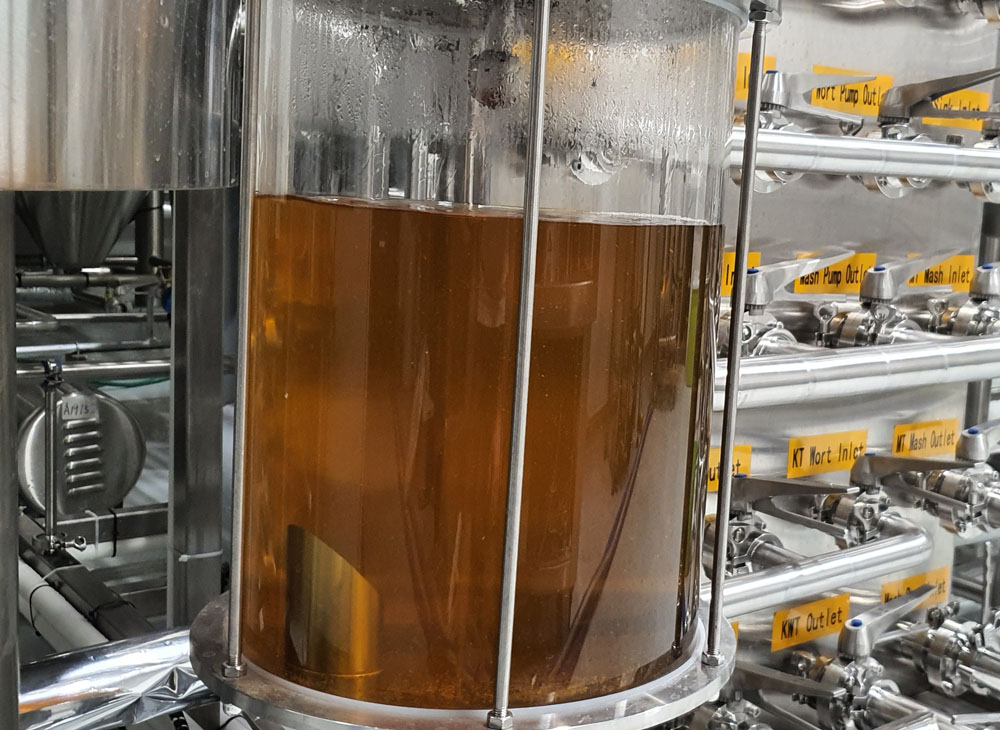
What Equipment Is Actually Needed to Produce Commercial Kombucha?
- Jun 29, 2026
- 107
- tiantai
Kombucha has become one of the fastest-growing functional beverages in recent years. Consumers are attracted by its refreshing taste, natural fermentation process, and unique flavor profile. While many people know kombucha starts with tea, sugar, and a SCOBY culture, few realize how much happens behind the scenes before a bottle reaches the shelf.
For commercial producers, kombucha production involves much more than simply fermenting tea. From brewing and fermentation to cooling, filtration, cleaning, and packaging, every stage plays a role in creating a consistent and high-quality product.
Let's take a look at how a typical 1000L kombucha production system works.
It All Starts with Tea
Every batch of kombucha begins with brewing sweet tea.
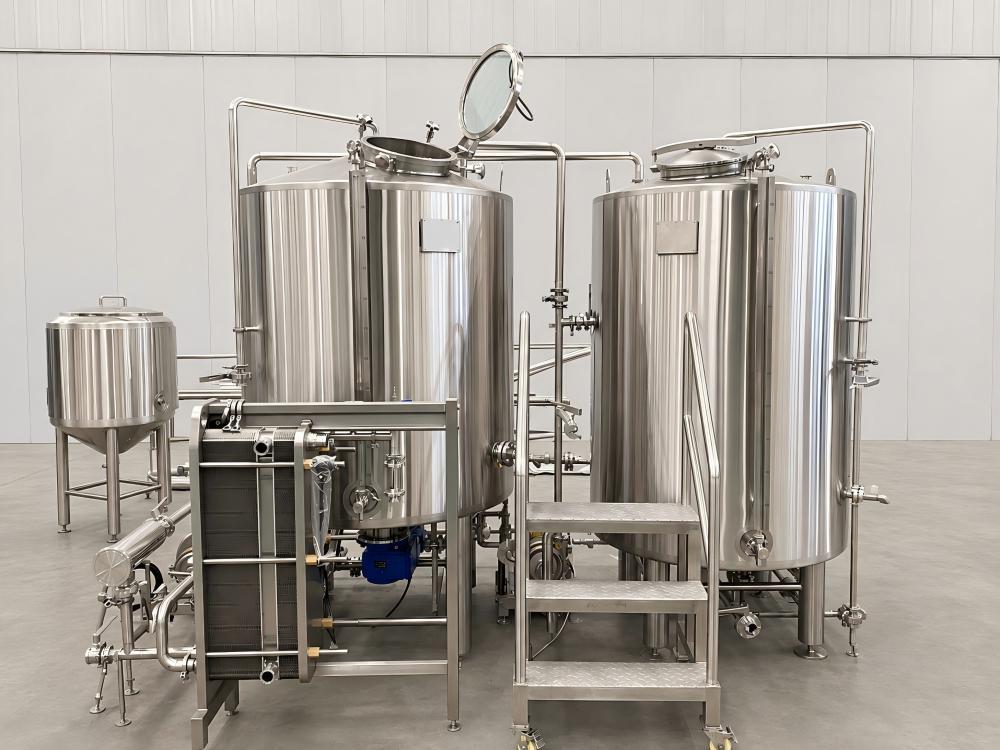
In a commercial facility, this process is usually carried out in a dedicated brew kettle equipped with an agitator. The agitation helps dissolve sugar efficiently and ensures that tea extracts are evenly mixed throughout the batch.
A hot water tank is often included in the system to provide a stable source of heated water for brewing and cleaning operations. Once the tea is prepared, it is transferred through sanitary pumps and piping and cooled rapidly using a plate heat exchanger before entering fermentation.
At this point, the sweet tea is ready for the microorganisms to begin their work.
The First Fermentation: Building the Foundation
The first stage of kombucha fermentation is where the transformation truly begins.
Commercial producers commonly use open-top SCOBY fermentation tanks during this phase. Unlike many other beverage fermentations, kombucha relies on acetic acid bacteria that require oxygen to thrive. The open-top design allows sufficient air exchange while supporting healthy SCOBY development.
Depending on production requirements, multiple fermentation vessels may be used to maintain a continuous production schedule. This setup allows one batch to be fermenting while another is being prepared or harvested.
Over time, yeast and bacteria work together to convert sugars into organic acids, trace amounts of alcohol, and a wide range of flavor compounds that give kombucha its characteristic taste.
The Second Fermentation: Developing Carbonation and Flavor
Once the primary fermentation is complete, the kombucha moves into a second fermentation stage.
This stage is often conducted in closed, pressure-capable fermentation tanks. Here, producers may introduce fruit juices, botanical extracts, herbs, or other natural flavor ingredients to create unique product variations.
At the same time, residual yeast activity generates natural carbonation, creating the light effervescence that consumers expect from kombucha.
Temperature control becomes especially important during this stage. Maintaining consistent conditions helps producers achieve repeatable flavor profiles and stable carbonation levels from batch to batch.
Cooling and Storage: Protecting Product Quality
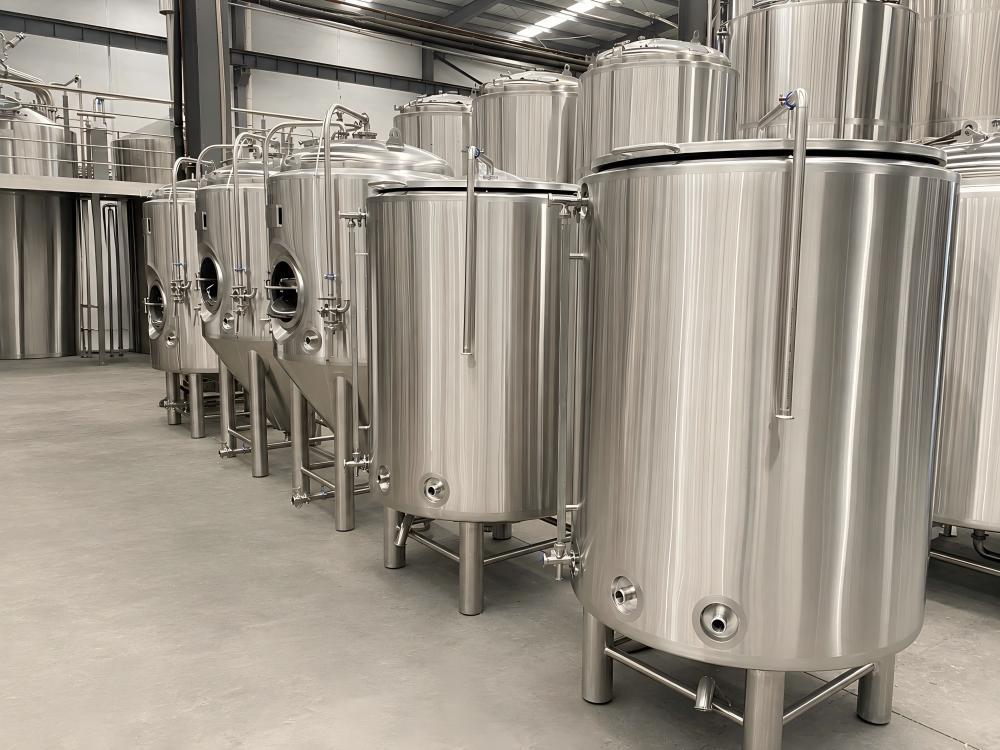
After fermentation, kombucha is typically transferred to storage tanks.
Storage serves several purposes. It provides buffer capacity before packaging, allows flavors to stabilize, and helps streamline production scheduling.
To maintain product quality, glycol cooling systems are commonly used throughout the facility. A glycol chiller circulates chilled glycol through jacketed tanks, helping operators control fermentation temperatures and preserve finished product characteristics.
For commercial kombucha production, effective temperature management is often one of the most important factors in achieving consistent quality and shelf stability.
Filtration: A Matter of Product Style
Not every kombucha producer chooses to filter their product, but many commercial operations include filtration as part of the process.
Depending on the desired product style, plate-frame filters and bag filtration systems may be used to reduce sediment, remove excess yeast, and improve visual clarity.
Some brands prefer a more natural appearance with visible cultures, while others target a cleaner and clearer finished beverage. The filtration approach can vary significantly based on brand identity and market positioning.
Sanitation: The Hidden Key to Success
When discussing kombucha production, fermentation often receives most of the attention. However, experienced producers know that sanitation is equally important.
Because kombucha is a living fermented beverage, maintaining hygienic conditions is essential for preventing contamination and protecting product consistency.
Many facilities utilize CIP (Clean-in-Place) systems equipped with acid and caustic cleaning tanks, sanitary pumps, and dedicated control systems. These allow tanks, piping, and process equipment to be cleaned efficiently without extensive disassembly.
Strong sanitation practices not only improve product quality but also support long-term operational reliability.
From Tank to Bottle
The final step is packaging.
For small and medium-sized producers, semi-automatic bottle filling and capping machines are a popular solution. They provide an efficient balance between production capacity, product quality, and investment cost.
Once filled, capped, labeled, and packaged, the kombucha is ready for distribution and ultimately reaches consumers.
More Than Just a Fermentation Tank
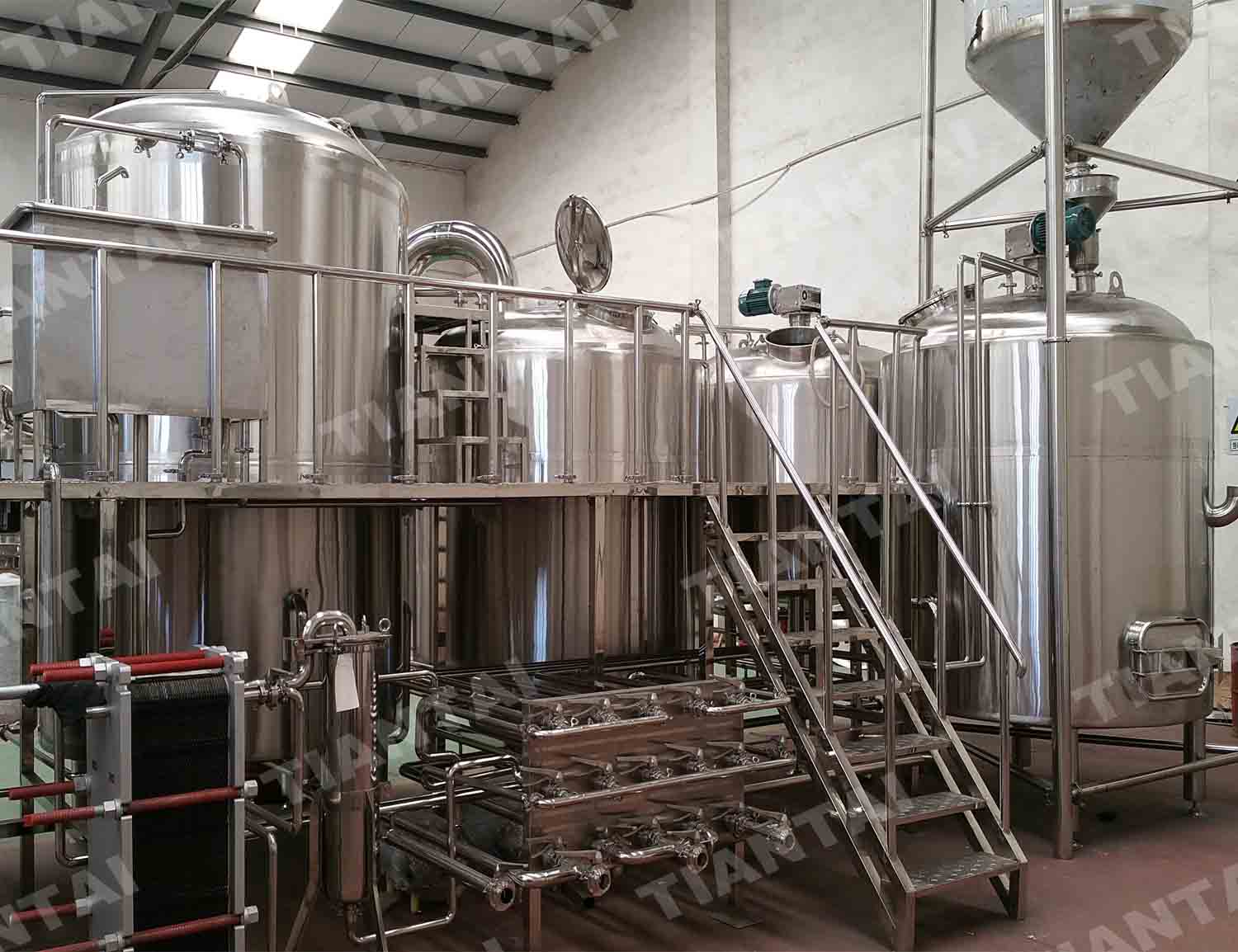
One of the most common misconceptions about kombucha production is that it only requires a few fermentation vessels. In reality, a successful commercial operation relies on a complete production ecosystem that includes brewing equipment, fermentation tanks, cooling systems, filtration units, sanitation equipment, storage tanks, and packaging machinery.
Each component contributes to product quality, process efficiency, and future scalability.
For entrepreneurs and beverage producers considering entry into the kombucha market, understanding the entire production process is just as important as selecting the right fermentation tank. A well-designed system creates the foundation for consistent quality, efficient operations, and sustainable business growth.
After all, great kombucha is not simply fermented—it is carefully crafted through every stage of production.
After all, great kombucha is not simply fermented—it is carefully crafted through every stage of production.
.jpg)