The Ultimate Guide to Kegerators: How They Work and Why Every Beer Lover Needs One
- Mar 29, 2025
- 136
- tiantai
Introduction
For beer enthusiasts, breweries, and bar owners, serving the perfect pint is an art. The key to maintaining freshness, carbonation, and flavor lies in proper dispensing equipment—and that’s where kegerators come in.
A kegerator (keg + refrigerator) is a specialized refrigeration system designed to store and dispense draft beer at optimal temperatures. Whether you're a homebrewer, craft beer aficionado, or bar owner, understanding how kegerators work—and which type suits your needs—can elevate your beer experience.
In this guide, we’ll cover:
✔ What a kegerator is and how it works
✔ Different types of kegerators (home vs. commercial)
✔ Key components and how they affect beer quality
✔ Choosing the right kegerator for your needs
✔ Maintenance tips to keep your beer fresh
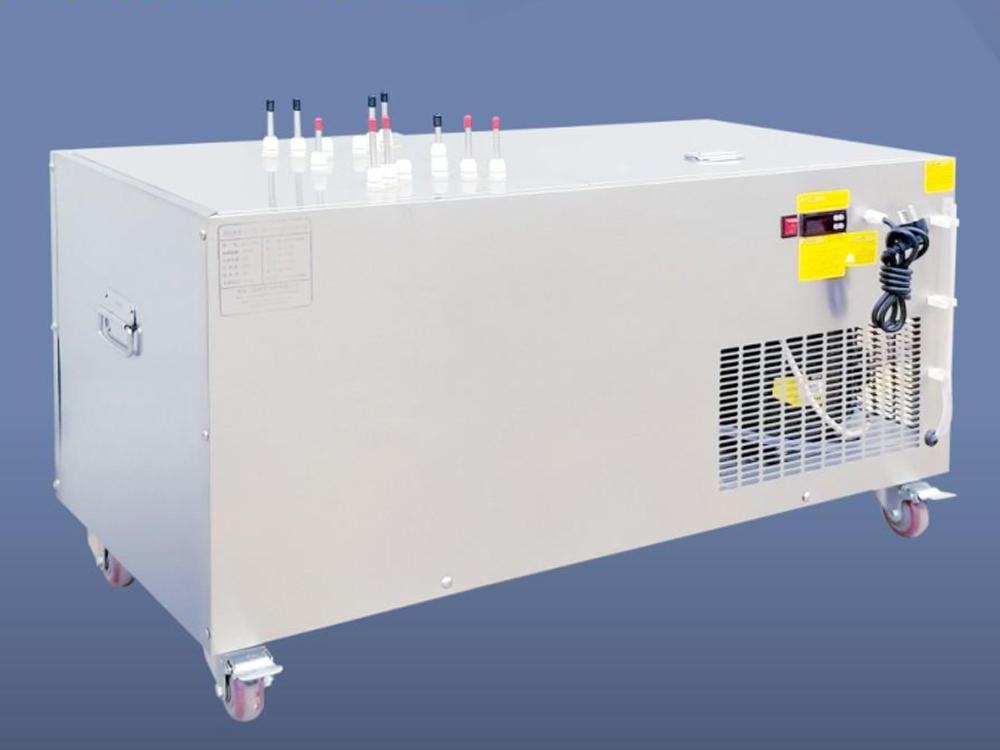
What Is a Kegerator?
A kegerator is a refrigerated unit that stores a beer keg and dispenses it through a tap system. Unlike a standard fridge, it’s specifically designed to:
Types of Kegerators
Not all kegerators are the same. The right choice depends on where and how you’ll use it.
1. Home Kegerators
Capacity: Typically holds 1/6BBL (5-gallon) or 1/4BBL (7.75-gallon) kegs
Best for: Homebrewers, beer enthusiasts who want pub-quality beer at home
Features:
Capacity: Holds 1/2BBL (15.5-gallon) or multiple kegs
Best for: Bars, breweries, restaurants
Features:
Best for: Tailgating, parties, outdoor events
Features:
Nitro Kegerators: Use nitrogen (N₂) for creamy stouts and porters.
Dual-Temperature Kegerators: Separate zones for lagers (cold) and ales (slightly warmer).
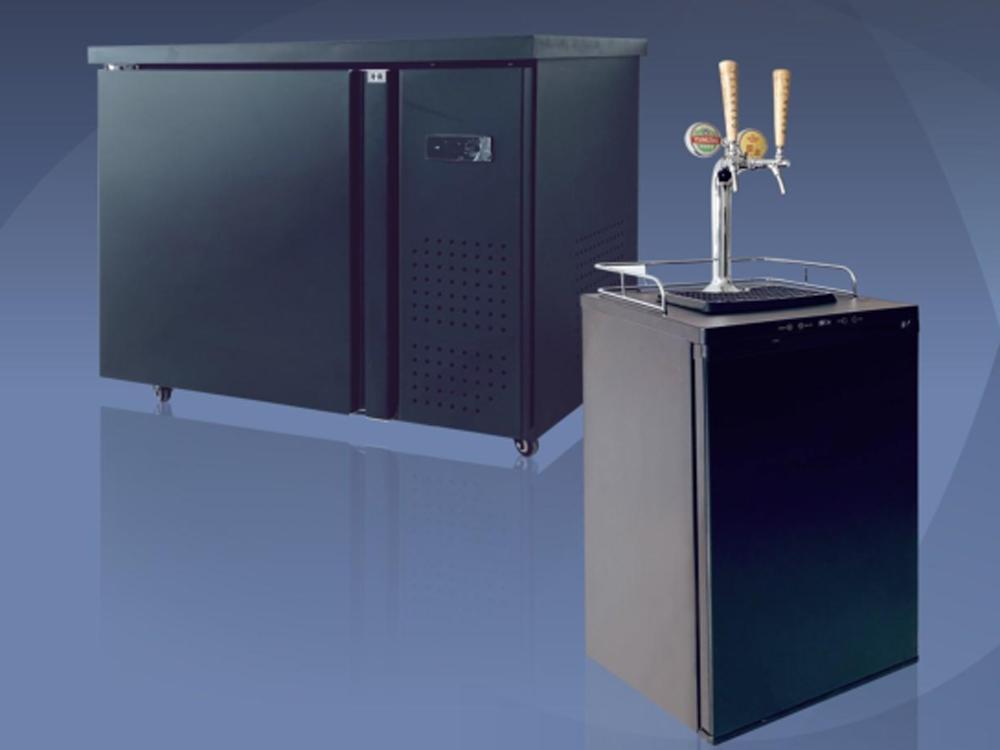
Key Components of a Kegerator
To choose the best kegerator, you need to understand its essential parts:
1. Cooling System
Air-Cooled: Standard in most home units; efficient but struggles in hot environments.
Water/Glycol-Cooled: Used in commercial setups for better temperature stability.
Dual-Cooling: Combines both for maximum reliability (ideal for breweries).
2. CO₂/Nitrogen System
CO₂ is standard for most beers.
Nitrogen (N₂) is used for stouts, porters, and nitro brews.
Regulators control pressure (typically 10–14 PSI for ales, 25–30 PSI for nitro beers).
3. Draft System
Faucets: Perlick (stainless steel) for durability.
Beer Lines: Should be 3/16" ID, 6–10 ft long to prevent foaming.
Drip Tray: Catches spills (essential for bars).
4. Keg Compatibility
Sankey D (Commercial Kegs): Standard in US bars.
Cornelius (Homebrew Kegs): Used by homebrewers.
How to Choose the Right Kegerator
For Home Use:
✔ Size: Fits your space (countertop or freestanding).
✔ Keg Size: 1/6BBL for variety, 1/2BBL for parties.
✔ Tap Number: Single for simplicity, dual for two beer styles.
For Commercial Use (Bars/Breweries):
✔ Cooling Power: Glycol-assisted for long draft lines.
✔ Capacity: Multiple kegs for high demand.
✔ Durability: Stainless steel, commercial-grade components.
Kegerator Maintenance Tips
To keep your beer tasting fresh:
Clean Lines Monthly – Use a beer line cleaner to prevent buildup.
Check Gas Pressure – Improper PSI causes flat or foamy beer.
Replace Seals – Worn-out O-rings cause leaks.
Defrost (If Needed) – Frost buildup reduces efficiency.
Conclusion: Is a Kegerator Worth It?
If you love fresh, perfectly poured beer, a kegerator is a game-changer.
Homebrewers get professional-quality dispensing.
Bars & Breweries ensure consistent draft service.
Party Hosts can serve beer like a pro.
Whether you want a compact home unit or a commercial-grade system, there’s a kegerator for every need.
Ready to upgrade your beer experience? Check out our [best-selling kegerators] and find your perfect match!
Nicole
Sales Manager
cn[email protected]
Tiantai beer equipment
For beer enthusiasts, breweries, and bar owners, serving the perfect pint is an art. The key to maintaining freshness, carbonation, and flavor lies in proper dispensing equipment—and that’s where kegerators come in.
A kegerator (keg + refrigerator) is a specialized refrigeration system designed to store and dispense draft beer at optimal temperatures. Whether you're a homebrewer, craft beer aficionado, or bar owner, understanding how kegerators work—and which type suits your needs—can elevate your beer experience.
In this guide, we’ll cover:
✔ What a kegerator is and how it works
✔ Different types of kegerators (home vs. commercial)
✔ Key components and how they affect beer quality
✔ Choosing the right kegerator for your needs
✔ Maintenance tips to keep your beer fresh
What Is a Kegerator?
A kegerator is a refrigerated unit that stores a beer keg and dispenses it through a tap system. Unlike a standard fridge, it’s specifically designed to:
- Maintain consistent temperatures (usually 0–4°C for most beers)
- Control carbonation levels via CO₂ or nitrogen pressure
- Prevent oxidation and flavor loss
- Keg Storage – The keg sits inside the refrigerated compartment.
- Gas System – A CO₂ or nitrogen tank pressurizes the keg to maintain carbonation.
- Draft Lines – Beer flows from the keg through chilled lines to the tap.
- Temperature Control – A thermostat ensures beer stays at the ideal serving temp.
Types of Kegerators
Not all kegerators are the same. The right choice depends on where and how you’ll use it.
1. Home Kegerators
Capacity: Typically holds 1/6BBL (5-gallon) or 1/4BBL (7.75-gallon) kegs
Best for: Homebrewers, beer enthusiasts who want pub-quality beer at home
Features:
- Compact size (fits under counters)
- Single or dual taps
- Basic CO₂ regulators
Capacity: Holds 1/2BBL (15.5-gallon) or multiple kegs
Best for: Bars, breweries, restaurants
Features:
- Heavy-duty compressors for constant use
- Multiple taps (2–12+)
- Advanced cooling systems (glycol-assisted for long draft lines)
Best for: Tailgating, parties, outdoor events
Features:
- Battery-powered or plug-in options
- Mini-keg compatible
- Lightweight and easy to transport
Nitro Kegerators: Use nitrogen (N₂) for creamy stouts and porters.
Dual-Temperature Kegerators: Separate zones for lagers (cold) and ales (slightly warmer).
Key Components of a Kegerator
To choose the best kegerator, you need to understand its essential parts:
1. Cooling System
Air-Cooled: Standard in most home units; efficient but struggles in hot environments.
Water/Glycol-Cooled: Used in commercial setups for better temperature stability.
Dual-Cooling: Combines both for maximum reliability (ideal for breweries).
2. CO₂/Nitrogen System
CO₂ is standard for most beers.
Nitrogen (N₂) is used for stouts, porters, and nitro brews.
Regulators control pressure (typically 10–14 PSI for ales, 25–30 PSI for nitro beers).
3. Draft System
Faucets: Perlick (stainless steel) for durability.
Beer Lines: Should be 3/16" ID, 6–10 ft long to prevent foaming.
Drip Tray: Catches spills (essential for bars).
4. Keg Compatibility
Sankey D (Commercial Kegs): Standard in US bars.
Cornelius (Homebrew Kegs): Used by homebrewers.
How to Choose the Right Kegerator
For Home Use:
✔ Size: Fits your space (countertop or freestanding).
✔ Keg Size: 1/6BBL for variety, 1/2BBL for parties.
✔ Tap Number: Single for simplicity, dual for two beer styles.
For Commercial Use (Bars/Breweries):
✔ Cooling Power: Glycol-assisted for long draft lines.
✔ Capacity: Multiple kegs for high demand.
✔ Durability: Stainless steel, commercial-grade components.
Kegerator Maintenance Tips
To keep your beer tasting fresh:
Clean Lines Monthly – Use a beer line cleaner to prevent buildup.
Check Gas Pressure – Improper PSI causes flat or foamy beer.
Replace Seals – Worn-out O-rings cause leaks.
Defrost (If Needed) – Frost buildup reduces efficiency.
Conclusion: Is a Kegerator Worth It?
If you love fresh, perfectly poured beer, a kegerator is a game-changer.
Homebrewers get professional-quality dispensing.
Bars & Breweries ensure consistent draft service.
Party Hosts can serve beer like a pro.
Whether you want a compact home unit or a commercial-grade system, there’s a kegerator for every need.
Ready to upgrade your beer experience? Check out our [best-selling kegerators] and find your perfect match!
Nicole
Sales Manager
cn[email protected]
Tiantai beer equipment