The Liquid Level Tube for Beer Fermentation Tank
- Jan 19, 2026
- 151
- tiantai
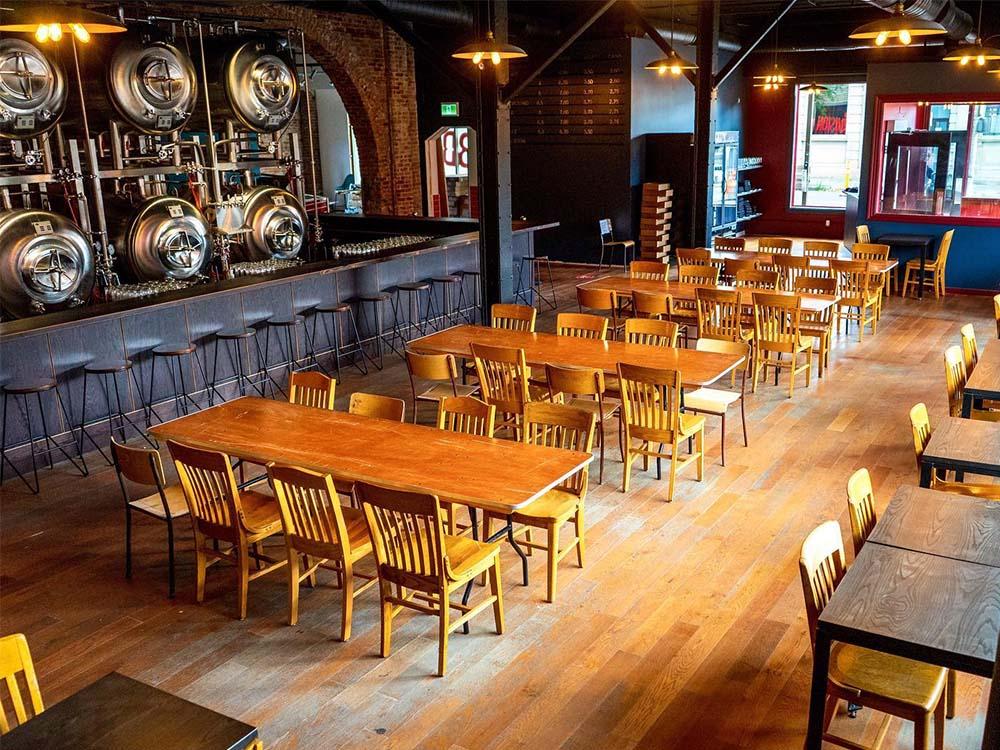
Today, while walking through the workshop, I happened to pause in front of a beer fermentation tank and noticed something we usually take for granted—the liquid level inside the tank. It’s one of those details operators rely on every day, yet rarely think about until it really matters.
In most fermentation processes, being able to clearly see the liquid level is not just about convenience. It affects production planning, cleaning efficiency, and even safety. That’s why the design of a level indication deserves more attention than it often gets.
In our standard configuration, fermenters are equipped with a flexible level hose. It is practical, cost-effective, and fully functional for everyday operation. However, over time, we’ve noticed that quite a few customers choose to customize their tanks with a glass level tube instead—mainly for better visibility, easier monitoring, and a more professional appearance.
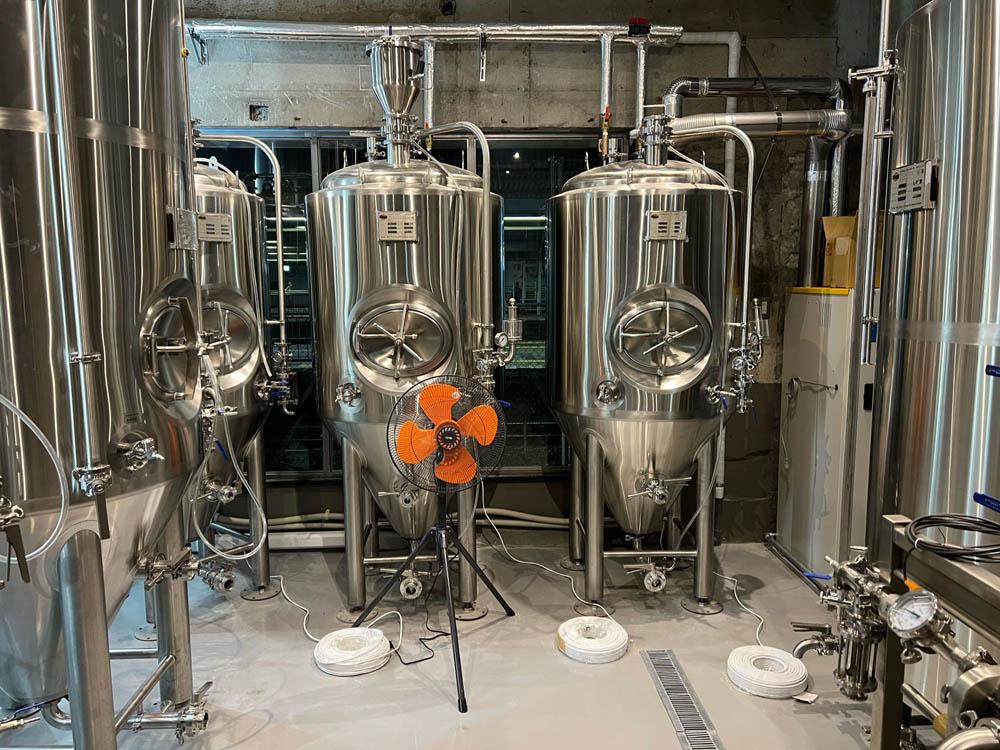
When it comes to glass level tubes, there are generally two common configurations used on fermenters.
The first is a design where the glass level tube is installed only on the straight side wall of the tank. This setup provides a clear and direct reading of the working volume inside the vessel. For daily operation—filling, transferring, CIP, and routine monitoring—this configuration is more than sufficient. It is simple, clean in appearance, and easy to maintain. In fact, in real production environments, most customers prefer this straight-wall-only design because it offers exactly what they need without unnecessary complexity.
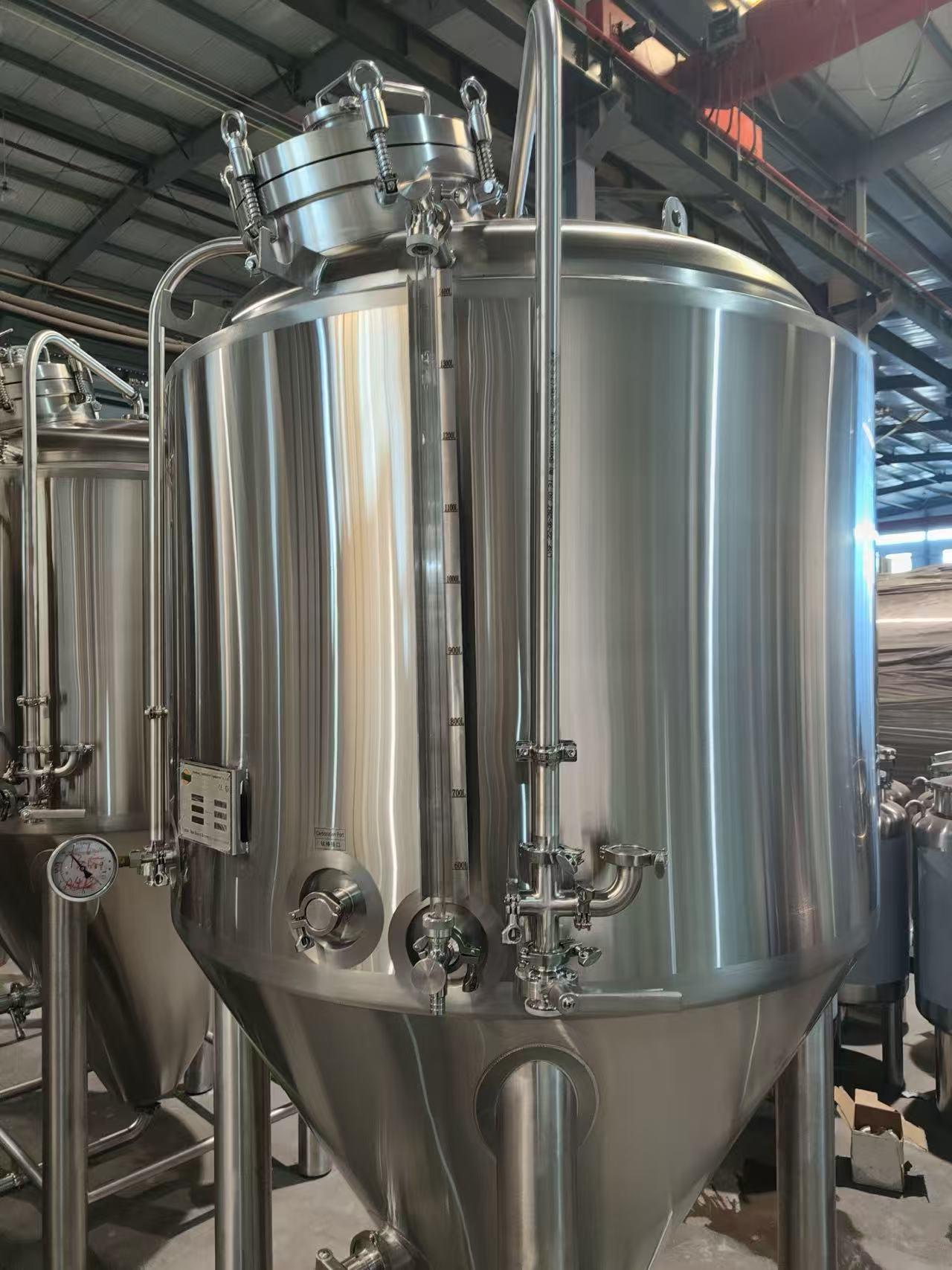
The second configuration extends the glass level tube down into the bottom cone of the fermenter. This allows operators to see not only the liquid level in the main body of the tank, but also how the product behaves in the conical section. For certain applications, such as when precise observation of sedimentation, yeast collection, or complete draining is required, this design can provide additional visual information and extra confidence during operation.
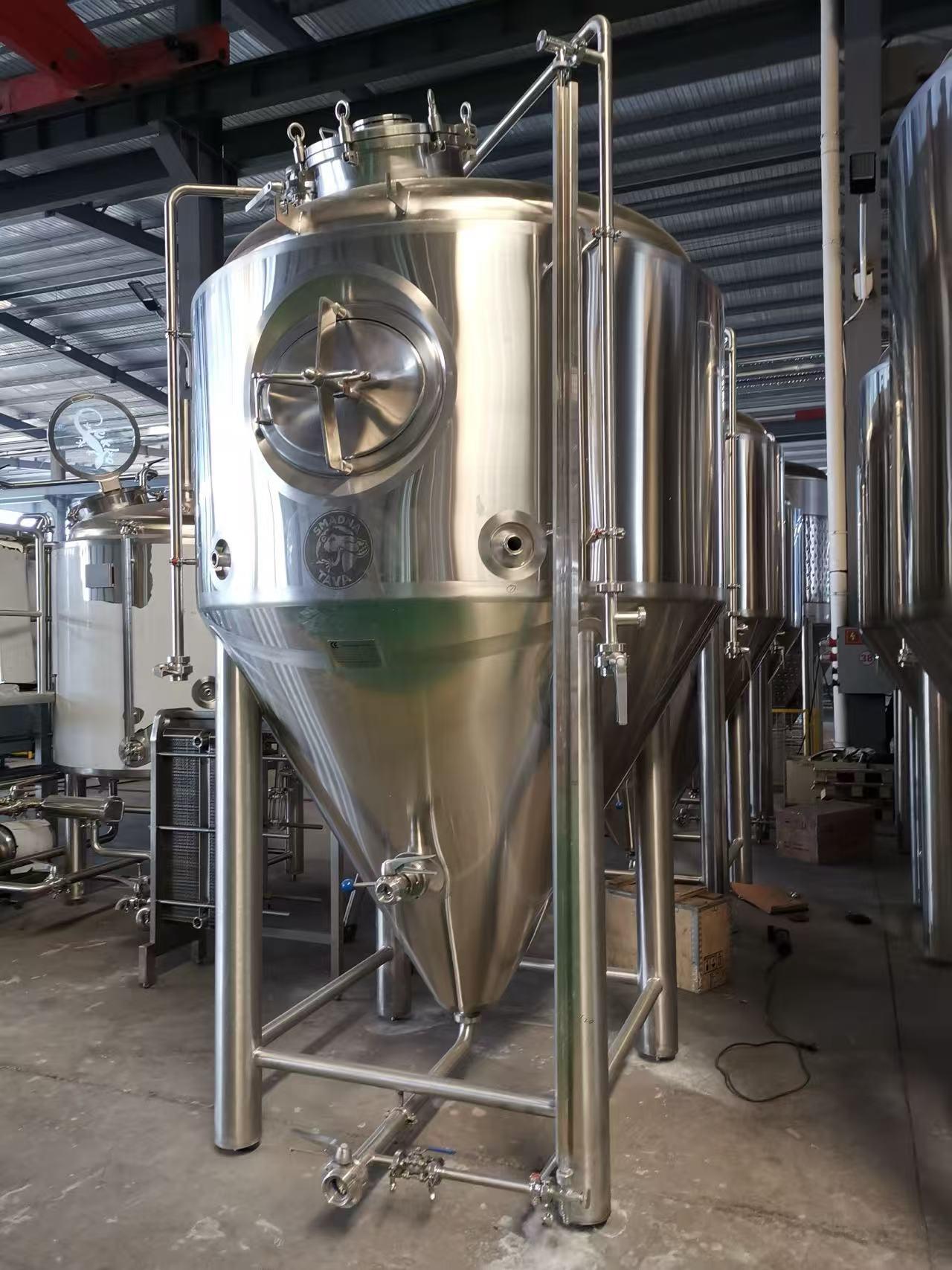
Both designs serve the same core purpose: making the process more transparent and more controllable. The difference lies in how much detail the user wants to observe and how the tank will be used in practice.
From an engineering standpoint, a well-designed glass level tube is not just a piece of glass attached to a tank. It is equipped with shut-off valves at both the upper and lower connections, allowing the tube to be safely isolated for maintenance or replacement. At the same time, when connected directly to the vessel and combined with a certified safety valve on the tank, the system maintains proper pressure management and operational safety.
What struck me today was how such a small component reflects the philosophy behind good equipment design: clarity, safety, and suitability for real-world operation. Sometimes, it’s not the biggest features that define a piece of equipment, but the thoughtful details that quietly support every step of the process.
Whether a fermenter is fitted with a glass level tube only on the straight wall, or extended into the bottom cone, the key is choosing the configuration that best matches the production needs. And in many cases, simpler truly is better.
It’s a small detail—but in brewing and fermentation, small details are often what make the biggest difference.
.jpg)