NFC Processing Solutions from Tiantai Beer Equipment
- May 13, 2026
- 64
- tiantai
As global consumers increasingly pursue healthier lifestyles, the beverage industry is rapidly shifting toward natural, premium-quality drinks. Among them, NFC fruit juice (Not From Concentrate) has become one of the fastest-growing categories in the modern beverage market.
Unlike traditional concentrated juice, NFC juice is produced directly from fresh fruit without high-temperature concentration and reconstitution. This process preserves the fruit’s original flavor, aroma, color, and nutritional value, delivering a taste experience much closer to freshly squeezed juice.
The basic production progress as below:
I. Front-end Processing: Raw Material Selection and Preliminary Processing
This is the cornerstone determining the quality of the finished juice. The production line begins with the raw material receiving and pre-processing section.
1. Fresh Fruit Receiving and Sorting: Whole fruits arriving at the factory undergo rigorous quality inspection. Using visual inspection, weighing, and near-infrared spectroscopy, rotten, moldy, unripe, or pesticide-contaminated raw materials are removed. Advanced photoelectric sorting machines can automatically grade fruits based on color, size, and defects, ensuring uniform and high-quality raw materials for subsequent processes.
2. Washing and Sterilization: After sorting, the fruits undergo multi-stage washing, typically including soaking, bubbling, brushing, and spraying, to remove surface dirt, microorganisms, and pesticide residues. Subsequently, food-grade disinfectants (such as low-concentration chlorine water or ozone water) or short-duration ultraviolet light are often used for surface sterilization, significantly reducing the initial total bacterial count.
3. Crushing and Pressing: The washed fruits are then processed into pulp using a crusher. Pressing is the core step, using belt presses, screw presses, or high-efficiency juice separators to extract juice under appropriate pressure, controlling the juice yield and the dissolution of substances such as tannins to balance flavor and astringency. The key is rapid operation to prevent oxidative browning.
II. Mid-stage Processing: Fine Control and Preservation of Juice
The extracted juice undergoes a series of precise processes to ensure its stability and safety, while minimizing heat damage.
1. Coarse and Fine Filtration: The pressed juice first passes through a vibrating screen or centrifuge to remove obvious pulp fibers and large particles. Subsequently, fine filtration technologies such as diatomaceous earth filtration and membrane filtration (microfiltration/ultrafiltration) are used to remove fine suspended solids, some colloids, and heat-sensitive microorganisms, resulting in clear and stable juice while avoiding the flavor degradation caused by traditional high-temperature sterilization.
2. Sterilization (Critical Process): Sterilization is crucial for achieving commercial sterility and extending shelf life. NFC juice production lines utilize low-temperature sterilization technology:
3. Pasteurization: Utilizing precise, gentle heating (typically 85-95℃, 15-30 seconds), it kills pathogenic bacteria and most spoilage bacteria while preserving nutrients and flavor. Suitable for short-shelf-life cold chain products.
4. Ultra-high pressure processing: A more advanced non-thermal sterilization technology, applying hundreds of megapascals of pressure at room temperature to kill microorganisms without affecting small-molecule flavor compounds and vitamins, resulting in near-fresh-squeezed quality. However, this requires significant equipment investment.
5. Degassing and blending: Before and after sterilization, dissolved oxygen is removed from the juice through vacuum degassing. This is a crucial step in preventing oxidation, discoloration, off-flavors, and vitamin loss. Depending on product standards, different batches of juice can be blended at this stage to stabilize flavor, or a very small amount of compliant vitamins can be added (as antioxidants). No sugar, colorings, or flavorings are added.
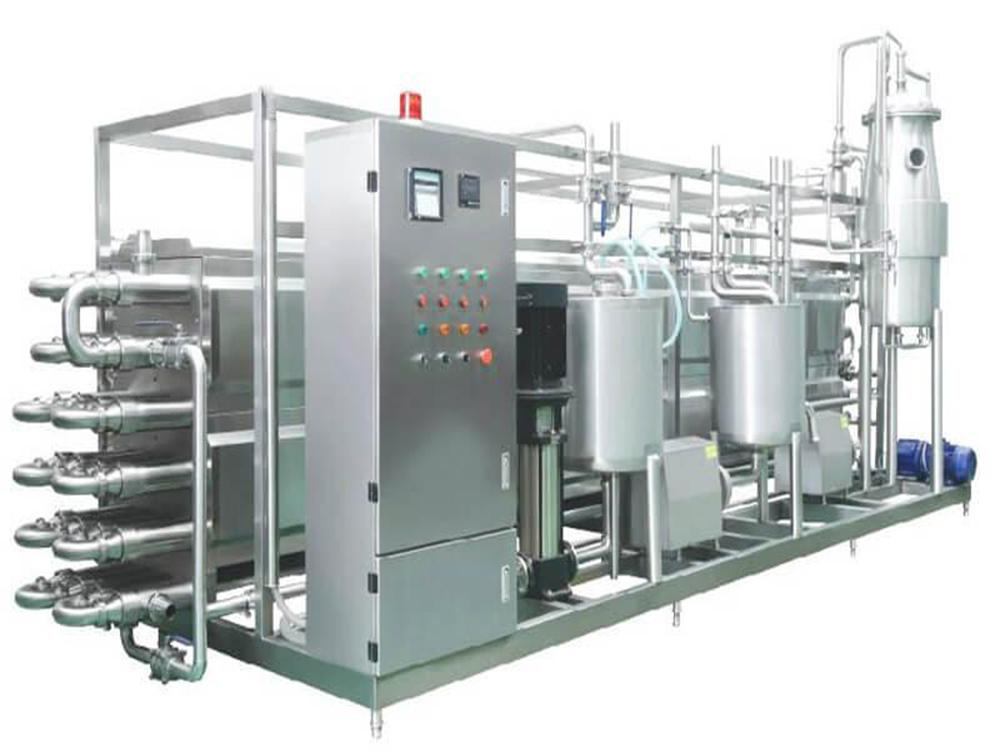
III. Back-end filling: The art of aseptic packaging
This is the final barrier to prevent microbial contamination and lock in freshness.
1. Aseptic cold filling: This is the core advantage technology of the NFC juice production line. After sterilization and cooling to room temperature (or low temperature), the juice is filled into pre-sterilized packaging containers in an absolutely sterile environment. Packaging materials (such as Tetra Pak cartons, PET bottles, and glass bottles) are typically soaked in chemical disinfectants (such as peracetic acid and hydrogen peroxide), sprayed, and rinsed with sterile water, followed by sterile hot air drying. The entire filling area maintains a positive pressure sterile air environment.
2. Capping and Secondary Sterilization: Immediately after filling, the juice is sealed (screw cap, press cap, or seal) in a sterile environment. For some products, a gentle tunnel-style spray pasteurization process may be performed after filling and sealing as a secondary guarantee.
3. Labeling, Coding, and Packaging: Finished products are labeled and printed with production dates and batch codes. They then undergo automated boxing and palletizing before being stored in cold storage. A complete cold chain (0-4℃) is the lifeline for ensuring the quality of NFC juice to the consumer.
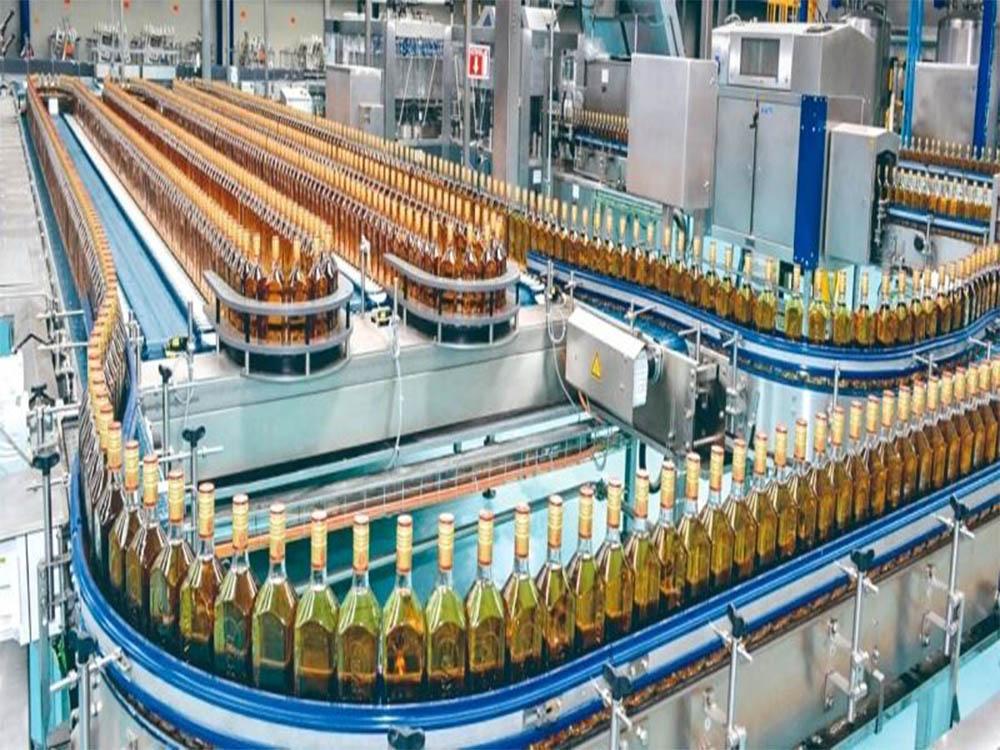
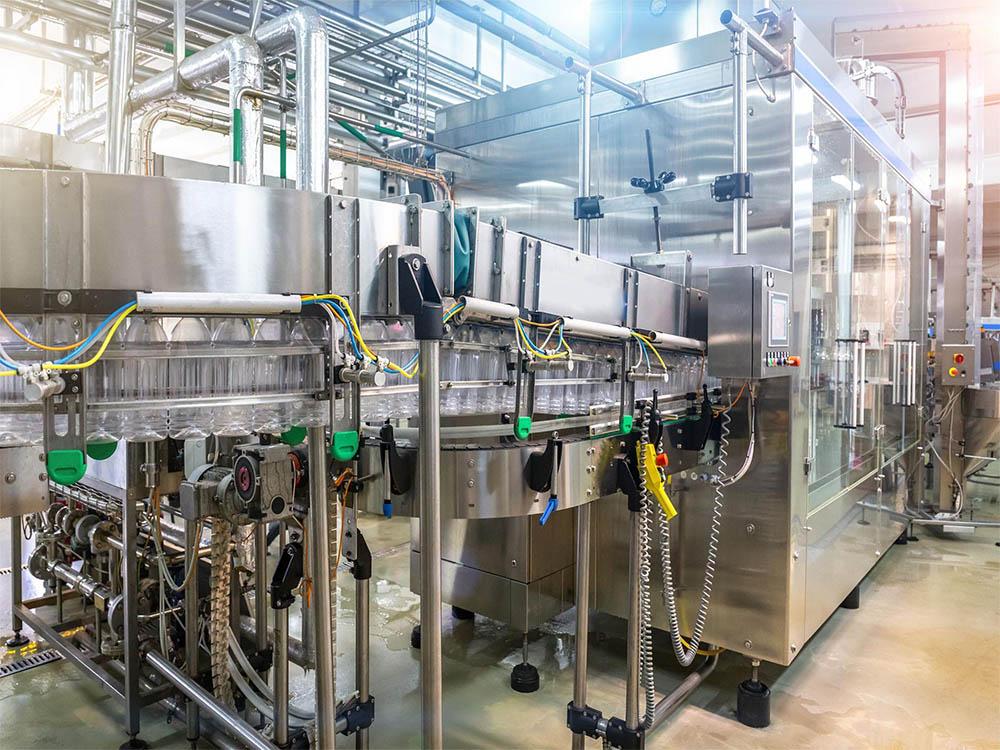
IV. Intelligent Control Throughout the Entire Process
Modern production lines integrate a DCS or PLC central control system to monitor and record key parameters such as temperature, pressure, flow rate, and sterilization intensity in real time, ensuring accuracy and compliance at every stage and enabling complete product traceability.
General, an advanced NFC juice production line is a complete technological integration from physical sorting, gentle pressing, fine filtration, low-temperature sterilization to aseptic filling and cold chain assurance. Through the pursuit of "gentleness" and "cleanliness" at every stage, it ultimately preserves the freshness and nutrition of the fruit in its original form in the beverage held by the consumer.
Tiantai, provides turnkey solutions on brewery equipment. If you are looking for NFC produciton line, I am at your disposal anytime.
Derrick
Sales Manager
[email protected]
Tiantai Beer Equipment
Unlike traditional concentrated juice, NFC juice is produced directly from fresh fruit without high-temperature concentration and reconstitution. This process preserves the fruit’s original flavor, aroma, color, and nutritional value, delivering a taste experience much closer to freshly squeezed juice.
The basic production progress as below:
I. Front-end Processing: Raw Material Selection and Preliminary Processing
This is the cornerstone determining the quality of the finished juice. The production line begins with the raw material receiving and pre-processing section.
1. Fresh Fruit Receiving and Sorting: Whole fruits arriving at the factory undergo rigorous quality inspection. Using visual inspection, weighing, and near-infrared spectroscopy, rotten, moldy, unripe, or pesticide-contaminated raw materials are removed. Advanced photoelectric sorting machines can automatically grade fruits based on color, size, and defects, ensuring uniform and high-quality raw materials for subsequent processes.
2. Washing and Sterilization: After sorting, the fruits undergo multi-stage washing, typically including soaking, bubbling, brushing, and spraying, to remove surface dirt, microorganisms, and pesticide residues. Subsequently, food-grade disinfectants (such as low-concentration chlorine water or ozone water) or short-duration ultraviolet light are often used for surface sterilization, significantly reducing the initial total bacterial count.
3. Crushing and Pressing: The washed fruits are then processed into pulp using a crusher. Pressing is the core step, using belt presses, screw presses, or high-efficiency juice separators to extract juice under appropriate pressure, controlling the juice yield and the dissolution of substances such as tannins to balance flavor and astringency. The key is rapid operation to prevent oxidative browning.
II. Mid-stage Processing: Fine Control and Preservation of Juice
The extracted juice undergoes a series of precise processes to ensure its stability and safety, while minimizing heat damage.
1. Coarse and Fine Filtration: The pressed juice first passes through a vibrating screen or centrifuge to remove obvious pulp fibers and large particles. Subsequently, fine filtration technologies such as diatomaceous earth filtration and membrane filtration (microfiltration/ultrafiltration) are used to remove fine suspended solids, some colloids, and heat-sensitive microorganisms, resulting in clear and stable juice while avoiding the flavor degradation caused by traditional high-temperature sterilization.
2. Sterilization (Critical Process): Sterilization is crucial for achieving commercial sterility and extending shelf life. NFC juice production lines utilize low-temperature sterilization technology:
3. Pasteurization: Utilizing precise, gentle heating (typically 85-95℃, 15-30 seconds), it kills pathogenic bacteria and most spoilage bacteria while preserving nutrients and flavor. Suitable for short-shelf-life cold chain products.
4. Ultra-high pressure processing: A more advanced non-thermal sterilization technology, applying hundreds of megapascals of pressure at room temperature to kill microorganisms without affecting small-molecule flavor compounds and vitamins, resulting in near-fresh-squeezed quality. However, this requires significant equipment investment.
5. Degassing and blending: Before and after sterilization, dissolved oxygen is removed from the juice through vacuum degassing. This is a crucial step in preventing oxidation, discoloration, off-flavors, and vitamin loss. Depending on product standards, different batches of juice can be blended at this stage to stabilize flavor, or a very small amount of compliant vitamins can be added (as antioxidants). No sugar, colorings, or flavorings are added.
III. Back-end filling: The art of aseptic packaging
This is the final barrier to prevent microbial contamination and lock in freshness.
1. Aseptic cold filling: This is the core advantage technology of the NFC juice production line. After sterilization and cooling to room temperature (or low temperature), the juice is filled into pre-sterilized packaging containers in an absolutely sterile environment. Packaging materials (such as Tetra Pak cartons, PET bottles, and glass bottles) are typically soaked in chemical disinfectants (such as peracetic acid and hydrogen peroxide), sprayed, and rinsed with sterile water, followed by sterile hot air drying. The entire filling area maintains a positive pressure sterile air environment.
2. Capping and Secondary Sterilization: Immediately after filling, the juice is sealed (screw cap, press cap, or seal) in a sterile environment. For some products, a gentle tunnel-style spray pasteurization process may be performed after filling and sealing as a secondary guarantee.
3. Labeling, Coding, and Packaging: Finished products are labeled and printed with production dates and batch codes. They then undergo automated boxing and palletizing before being stored in cold storage. A complete cold chain (0-4℃) is the lifeline for ensuring the quality of NFC juice to the consumer.
IV. Intelligent Control Throughout the Entire Process
Modern production lines integrate a DCS or PLC central control system to monitor and record key parameters such as temperature, pressure, flow rate, and sterilization intensity in real time, ensuring accuracy and compliance at every stage and enabling complete product traceability.
General, an advanced NFC juice production line is a complete technological integration from physical sorting, gentle pressing, fine filtration, low-temperature sterilization to aseptic filling and cold chain assurance. Through the pursuit of "gentleness" and "cleanliness" at every stage, it ultimately preserves the freshness and nutrition of the fruit in its original form in the beverage held by the consumer.
Tiantai, provides turnkey solutions on brewery equipment. If you are looking for NFC produciton line, I am at your disposal anytime.
Derrick
Sales Manager
[email protected]
Tiantai Beer Equipment

.jpg)