Mahua Spirit: Traditional Indian Flower Spirit and the Distillation Equipment Behind It
- Aug 03, 2026
- 129
- tiantai
I. What Is Mahua Spirit?
Mahua spirit is a traditional alcoholic beverage distilled from the flowers of the Madhuca longifolia tree, commonly known as the mahua tree. Native to the forests of central and eastern India, this tree produces fleshy, sweet flowers that have been used for centuries by local communities to produce a rustic, potent spirit.The mahua flower is rich in natural sugars, typically containing 12% to 18% fermentable sugar by weight. This makes it an excellent raw material for fermentation without the need for additional sugar sources. The resulting spirit is known for its distinctive floral aroma, earthy character, and smooth finish.
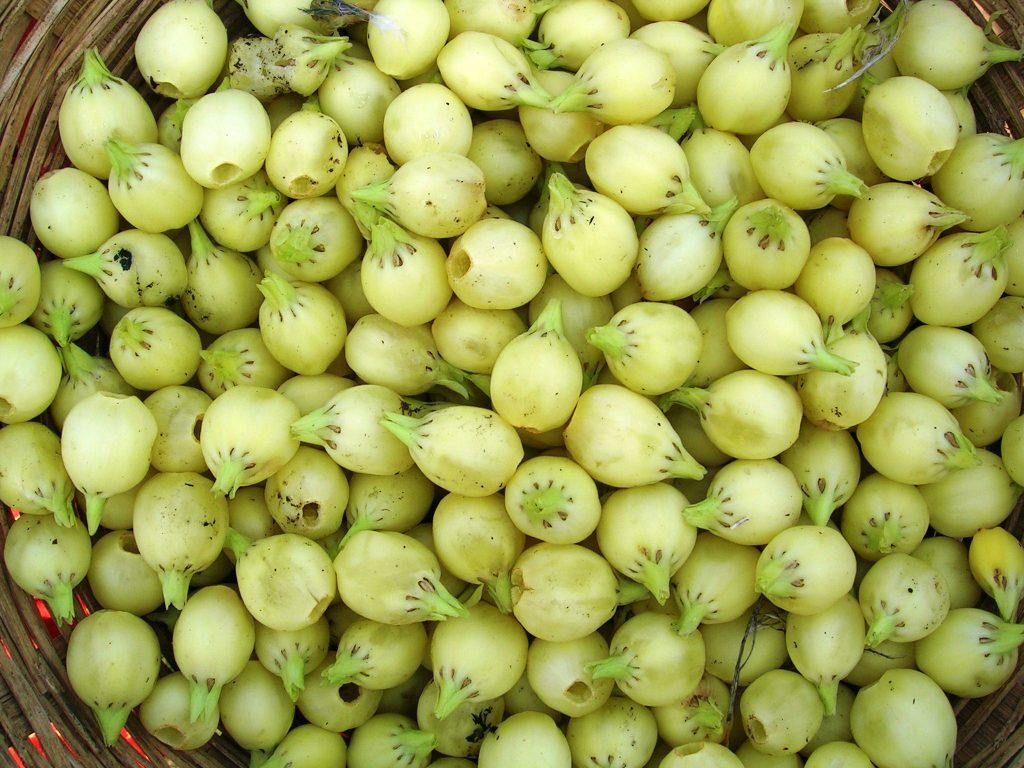
Mahua spirit holds cultural significance in many tribal communities, where it is used in religious ceremonies, social gatherings, and traditional medicine. In recent years, it has gained attention beyond its traditional markets as craft distillers explore indigenous ingredients for unique spirit profiles.
II. How Mahua Spirit Is Made
The production of mahua spirit follows a traditional process that has been refined over generations.1. Flower Collection and Drying
Mahua flowers are harvested when they fall naturally from the tree, typically between March and May. The flowers are collected from the ground, cleaned to remove debris, and then sun-dried for several days. Drying reduces the moisture content and concentrates the sugars, making the flowers more suitable for fermentation.2. Fermentation
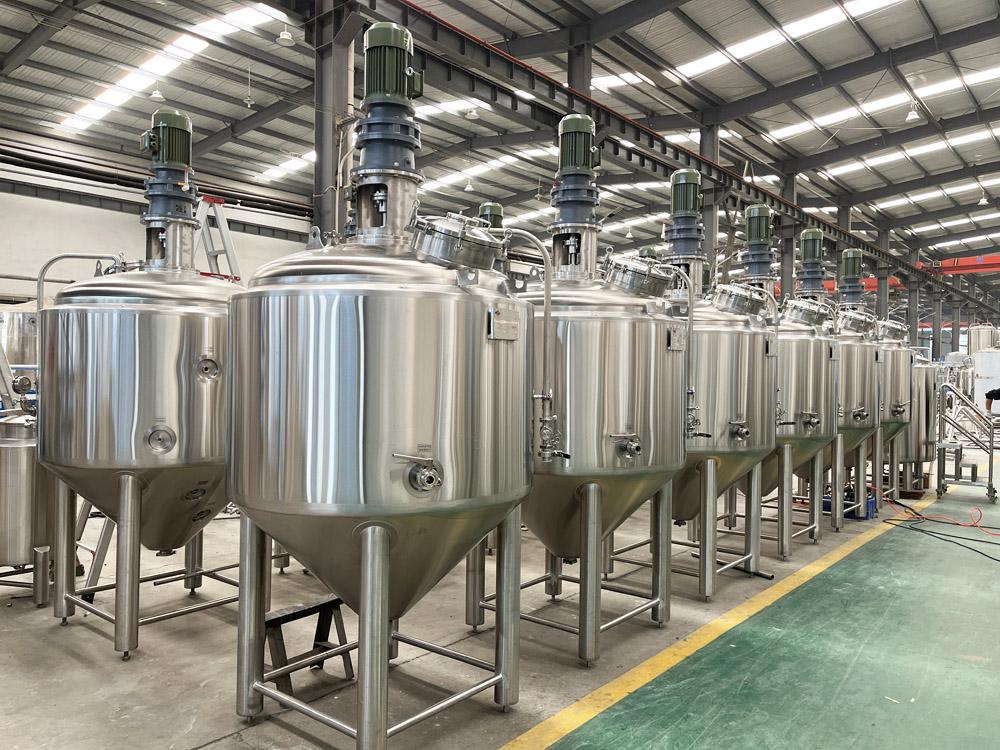
The dried mahua flowers are soaked in water to rehydrate them. Traditional methods use earthen pots or wooden vats, while modern production employs stainless steel fermentation tanks. Natural yeast present on the flower surface initiates fermentation, though some producers add cultured yeast for consistency.Fermentation typically lasts 5 to 10 days, depending on ambient temperature and the desired flavor profile. The result is a fermented mash with an alcohol content of 6% to 10% ABV.
3. Distillation
The fermented mash is transferred to a distillation apparatus. Traditional distillation uses simple pot stills made of copper or stainless steel. The mash is heated, and the alcohol vapor is condensed back into liquid form.The distillation process concentrates the alcohol and separates the desirable flavor compounds from the fermented mash. The resulting distillate typically ranges from 40% to 55% ABV, depending on the number of distillation runs and the skill of the distiller.
III. Distillation Methods for Mahua Spirit
There are two primary approaches to distilling mahua spirit, each producing a different character in the final product.1. Single Distillation
The fermented mash is distilled once in a pot still. This method produces a spirit with a robust, earthy character that retains more of the raw floral notes from the mahua flower. Single-distilled mahua spirit is typically consumed locally and is valued for its traditional, rustic profile.The yield from single distillation is lower in alcohol content, usually around 35% to 45% ABV, and may contain higher levels of congeners that contribute to the spirit's distinctive flavor.
2. Double Distillation
The spirit from the first distillation is redistilled in a second distillation run. This process produces a cleaner, smoother spirit with higher alcohol content, typically 50% to 55% ABV.Double distillation removes more impurities and unwanted flavors, resulting in a more refined product that appeals to a broader market. This method is increasingly adopted by commercial producers seeking to elevate mahua spirit beyond its traditional roots.
IV. The Double Pot Still: The Heart of Modern Mahua Spirit Production
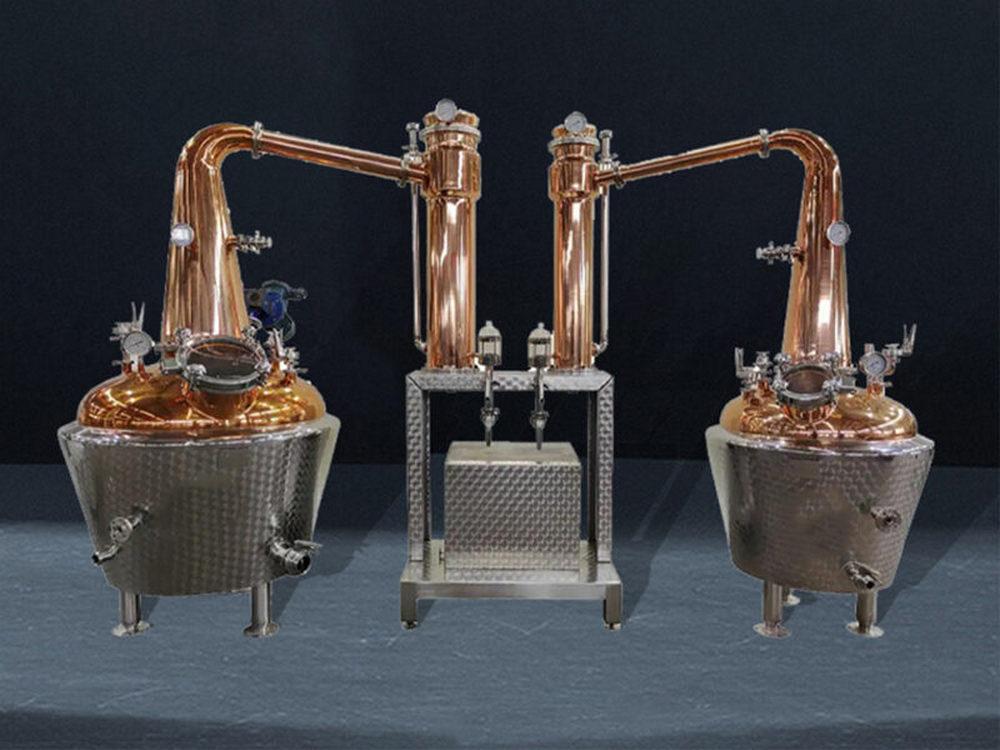
For producers aiming to create a high-quality, consistent mahua spirit, the double pot still system is the equipment of choice. This configuration consists of two pot stills working in sequence.
1. How a Double Pot Still Works
A double pot still system comprises two separate distillation vessels, each with its own heating source and condenser.In the first still, the fermented mahua mash is heated. The alcohol vapor rises, passes through a condenser, and is collected as low wine — a low-alcohol distillate typically around 20% to 30% ABV.
This low wine is then transferred to the second pot still for a second distillation. The second still produces a higher-alcohol spirit, and the distiller can make precise cuts — separating the heads, hearts, and tails — to isolate the best-tasting portion of the run.
2. Key Components of a Double Pot Still
Pot Still Body: The main vessel where the liquid is heated. Typically made of copper or stainless steel, with a domed top that directs vapor toward the condenser. Copper is preferred for its ability to remove sulfur compounds and improve flavor.Swans Neck: The curved pipe connecting the pot still to the condenser. The shape and length of the swans neck influence reflux and the final spirit character.
Condenser: Usually a shell-and-tube or worm-in-bucket design. Cold water circulates around the vapor tube, condensing the alcohol back into liquid form.
Heating Source: Direct fire, steam jacket, or electric immersion heaters. Steam heating offers the most precise temperature control.
Collection Vessel: A graduated container that allows the distiller to monitor alcohol strength and make cuts during the second distillation.
3. Advantages of a Double Pot Still for Mahua Spirit
Higher purity: The second distillation removes more impurities, producing a cleaner spirit.Better flavor control: The distiller can make precise cuts to capture the best flavor compounds.
Consistency: Double distillation produces a more uniform product batch after batch.
Market appeal: A smoother, higher-alcohol spirit is more acceptable to international markets and premium segments.
V. Choosing the Right Double Pot Still for Mahua Production
When selecting a double pot still system for mahua spirit, consider the following factors.
1. Capacity
Match the still size to your expected production volume. A typical small-scale system might have 200-liter to 500-liter pots, while larger operations use 1000-liter or more.2. Material
Copper is strongly recommended for the pot still body and swans neck. Copper catalyzes the removal of sulfur compounds and contributes to a smoother spirit.3. Heating Method
Steam heating offers the best temperature control and is preferred for consistent results. Direct fire is traditional but harder to control. Electric heating is suitable for smaller systems.4. Condenser Type
Shell-and-tube condensers are more efficient and easier to clean than traditional worm-in-bucket designs.VI. Conclusion
Mahua spirit is a traditional Indian flower spirit with a rich cultural heritage and growing commercial potential. The production process — from flower collection to fermentation to distillation — requires careful attention to detail at every stage.For producers seeking to create a premium mahua spirit, the double pot still system offers the control, consistency, and quality needed to compete in modern spirits markets. Whether you are a traditional village distiller looking to upgrade or a craft distiller exploring new ingredients, understanding the equipment is the first step toward producing exceptional mahua spirit.
Interested in a double pot still system for mahua spirit production?
Contact us for expert advice and customized distillation equipment.
Ethan
Sales Manager
[email protected]
.png)