
How to Choose the Right Pump for Yeast Transfer in Breweries
- May 09, 2026
- 138
- tiantai
In modern breweries, yeast management plays a crucial role in ensuring fermentation stability, flavor consistency, and overall production efficiency. One of the most universal questions is: what type of pump should we use for yeast transfer and recovery?
Yeast is a living microorganism that is highly sensitive to mechanical stress. Excessive shear force during transfer can damage yeast cells, reduce viability, and negatively affect fermentation performance.
Therefore, selecting the right pump is not only a mechanical decision, but also an important part of process design.
Therefore, selecting the right pump is not only a mechanical decision, but also an important part of process design.
1. Rotary Lobe Pump – The Industry Standard for Yeast Handling
Among all available pump types, the sanitary rotary lobe pump is widely recognized as the most reliable and widely used solution for yeast transfer in breweries.
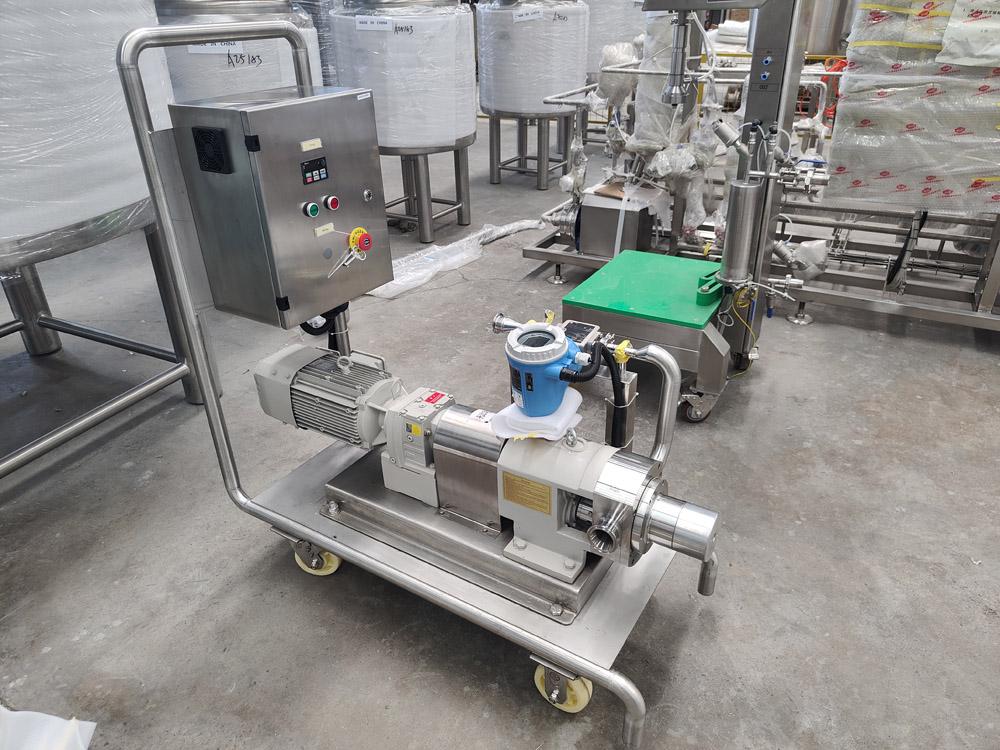
Rotary Lobe Pump operates through two synchronized rotors that gently displace liquid through the pump chamber, ensuring smooth and low-shear transfer. Its key advantages include:
* Extremely low shear force, protecting yeast vitality
* Stable handling of high-concentration yeast slurry
* Suitable for yeast harvesting and repitching from conical fermenters
* Reversible operation for flexible process control
* Fully CIP-compatible and easy to clean
* Hygienic stainless steel construction (304 or 316L optional)
Because of these advantages, rotary lobe pumps have become the standard configuration for yeast management systems in both craft and industrial breweries.
2. Peristaltic Pump – Ideal for Small-Scale Applications
For small breweries, pilot systems, or experimental fermentation such as kombucha production, peristaltic pumps are also widely used.
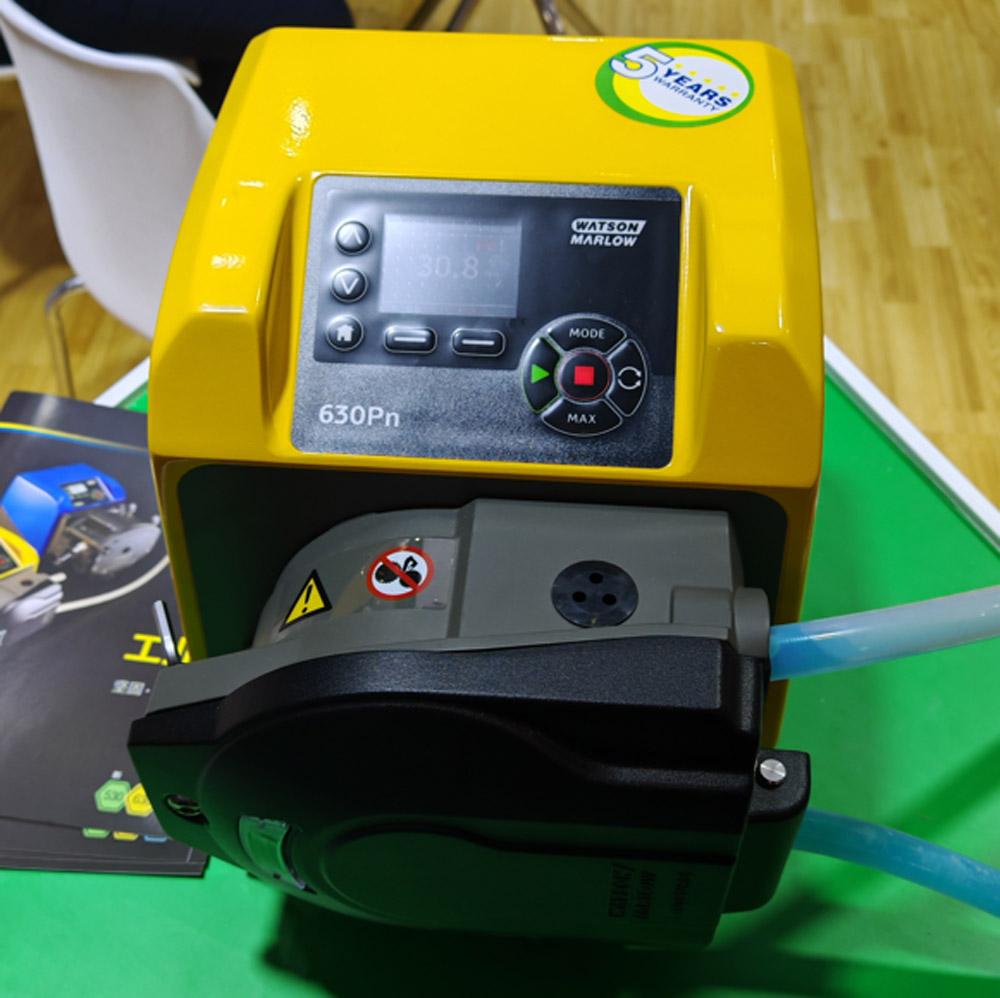
Their main benefits include:
* Very gentle handling of yeast
* No direct contact between liquid and pump body
* Simple structure and easy maintenance
However, due to limited flow capacity and hose wear, they are more suitable for small-batch or laboratory-scale applications.
3. Diaphragm Pump – A Cost-Effective Option
Air-operated double diaphragm (AODD) pumps are sometimes used for yeast transfer, especially for waste yeast discharge or non-critical applications.
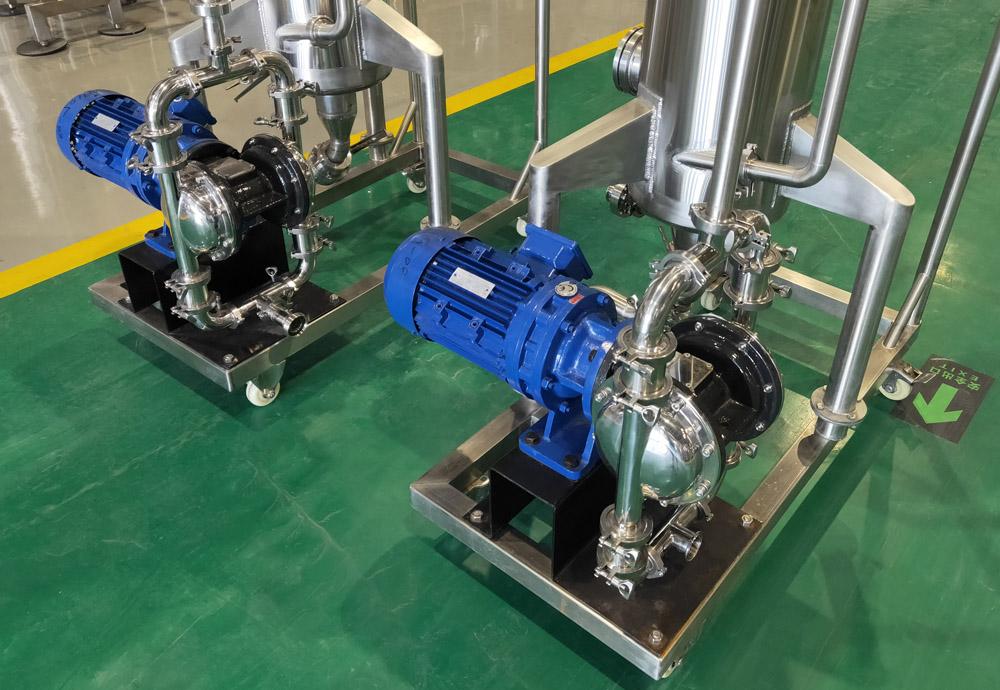
Advantages include:
* Ability to handle high solids content
* Simple and robust structure
* Lower initial investment cost
However, due to pulsation and relatively higher shear compared to lobe pumps, they are generally not preferred for high-quality yeast recovery.
4. Why Centrifugal Pumps Are Not Recommended
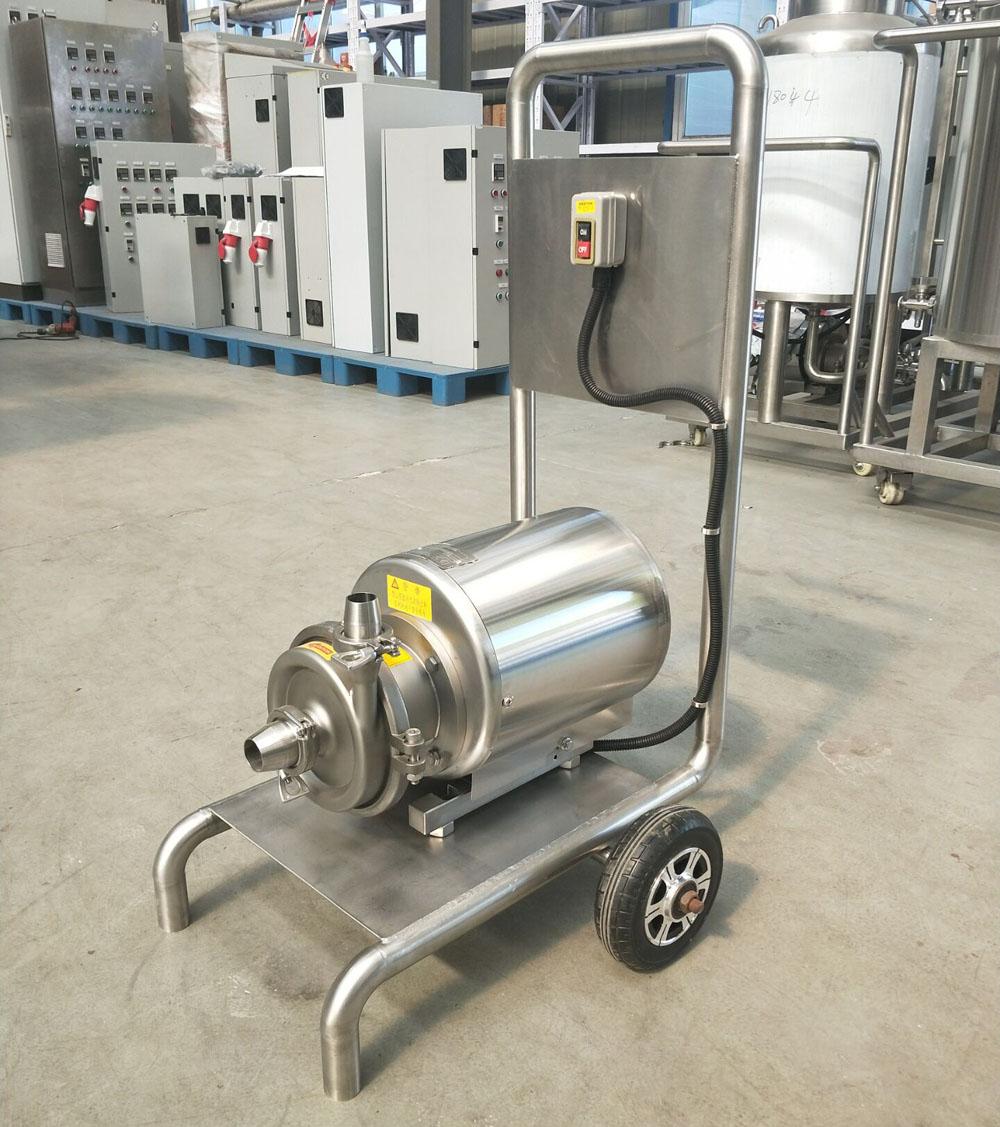
Although centrifugal pumps are widely used in breweries for wort and beer transfer, they are generally not suitable for yeast handling.
Their high rotational speed creates significant shear forces that can damage yeast cells and reduce fermentation performance. Therefore, they are better suited for low-viscosity, non-sensitive liquids.
Selecting the right yeast transfer pump is not just about equipment—it is an essential part of brewing process design. Each pump type serves a different process requirement, and among them, the sanitary rotary lobe pump remains the industry benchmark due to its gentle handling and operational stability.
At Tiantai Beer Equipment Company, we believe that equipment selection must always serve the optimization of the entire brewing system, rather than being treated as an isolated decision.
That is why we do not only supply individual pumps or standalone equipment—we provide complete brewery solutions. From malt storing&milling, brewhouse design, fermentation, yeast management, cooling systems, to packaging and CIP systems, every component is carefully engineered and matched to the process.
Taking yeast transfer as an example, we not only recommend the appropriate pump type, but also consider:
* Fermentation process design
* Yeast recovery strategy
* Piping layout and flow control
* CIP cleaning integration
* Overall capacity matching
Our goal is to ensure every component works in harmony within the system, achieving higher efficiency, stability, and consistency.
At Tiantai, we believe: the best equipment is not the one that performs best individually, but the one that performs best as part of a fully optimized system.



.jpg)