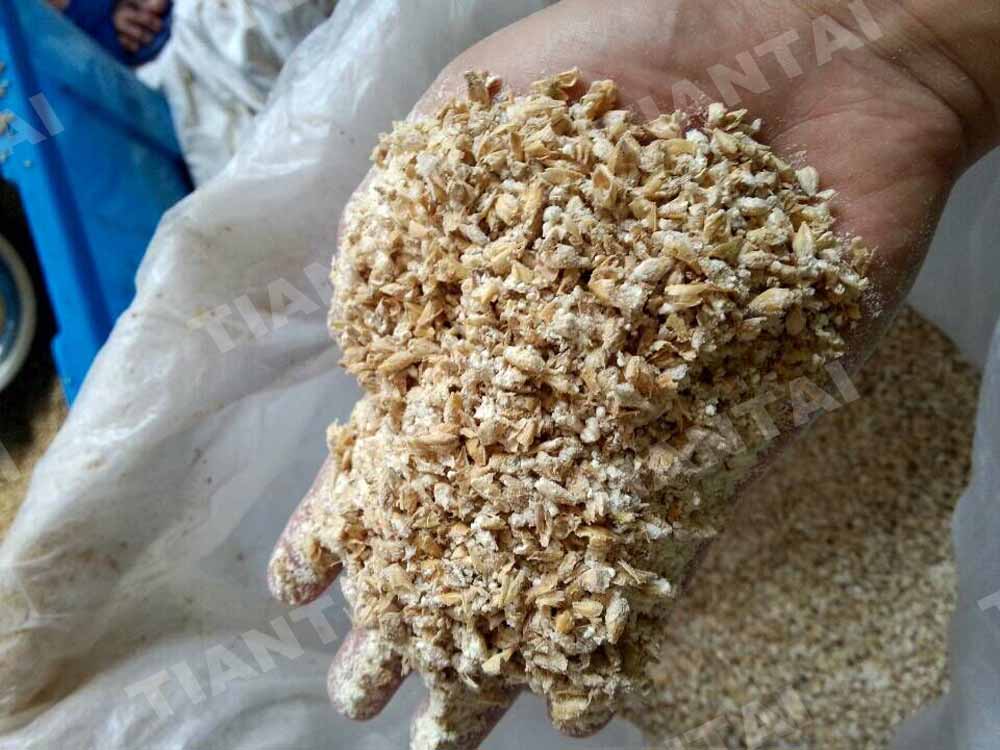
From Homebrewing to a Commercial Brewery: 5 Essential Tips for a Successful Transition
- Aug 14, 2025
- 174
- tiantai
For many craft beer lovers, opening a brewery is a dream that grows from years of homebrewing. The thrill of creating unique recipes at home is unmatched—but the challenge of sharing that beer with the world on a commercial scale is on a whole new level.
Commercial brewing is not simply “homebrewing on a larger scale.” The differences are vast: you’re now producing beer for a paying audience, meeting regulatory standards, and operating as a business. Success requires careful planning and the right support from day one.
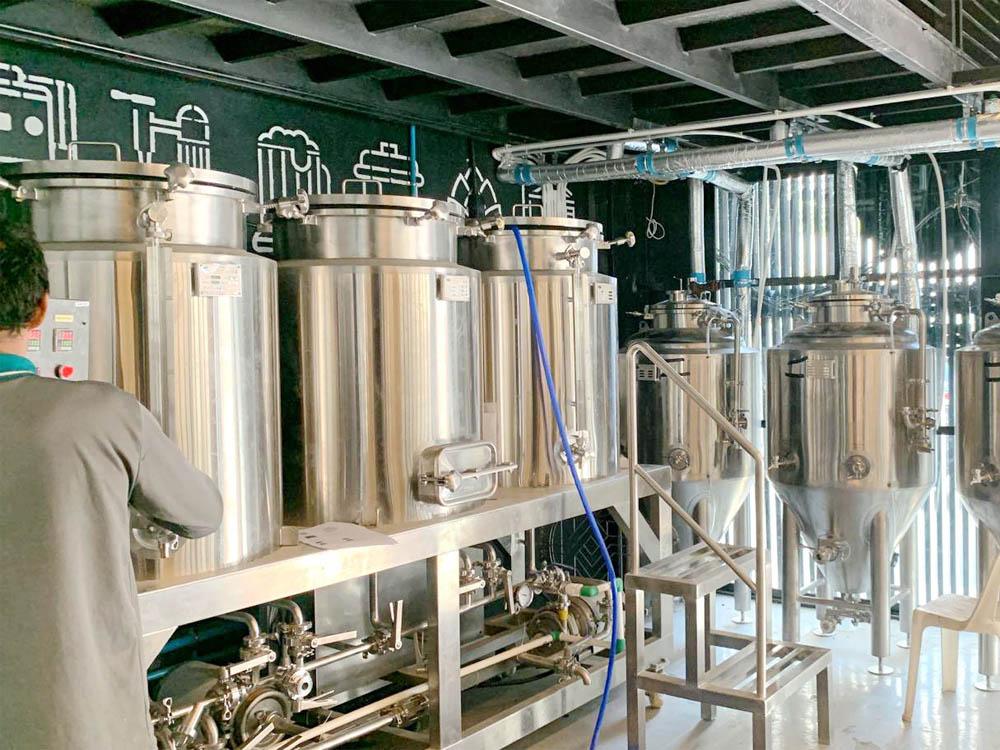
Here are five key things to consider before you take your first step into the world of commercial brewing:
1. Define Your Capacity and Market Position
In homebrewing, you might brew 20–50 litres at a time for friends and family. In commercial brewing, your capacity needs to align with your market goals. Will you sell primarily through a taproom, distribute to local bars, or aim for packaged retail sales?
A smaller microbrewery might produce 500–1,000 litres per batch, ideal for taproom-only sales.
Regional breweries might produce 10–50 hectolitres per batch for broader distribution.
Your choice will directly affect the size of your brewhouse, number of fermenters, cellar space, and even your staffing needs.
2. Choose the Right Brewing System
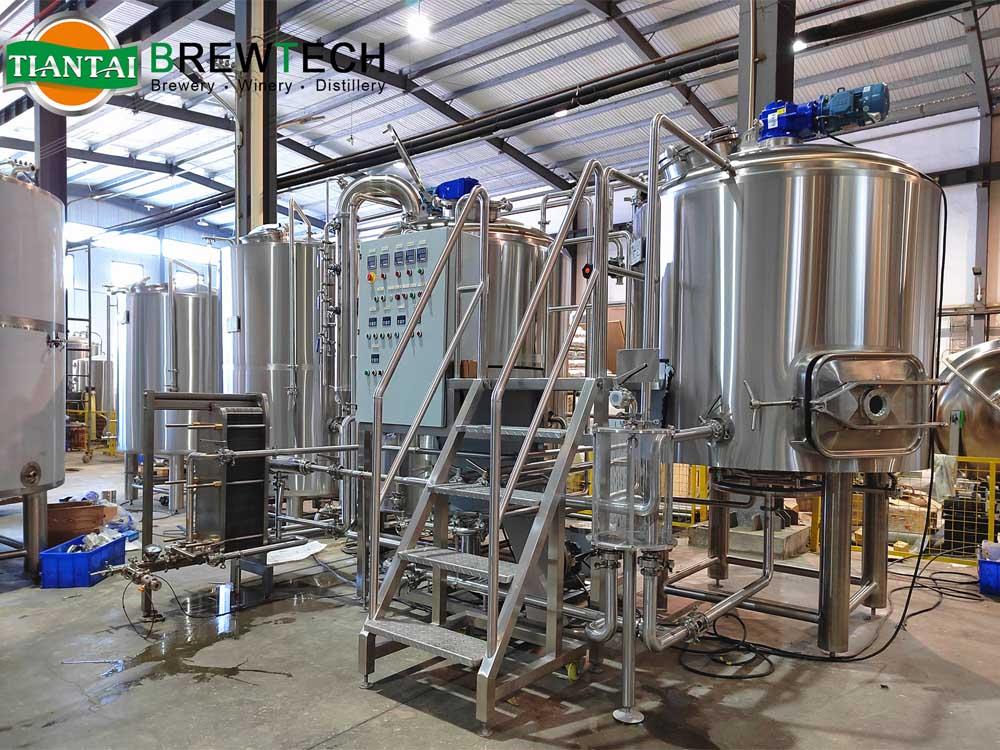
Selecting the right brewing system is critical. The differences from homebrewing can be overwhelming—automation, heating methods (steam, electric, or direct fire), number of vessels, and level of process control all matter.
Automation can reduce labour but comes with higher upfront costs.
Multiple vessels (e.g., 3- or 4-vessel systems) improve efficiency and throughput.
Energy efficiency impacts your operating costs long-term.
Partner with an experienced brewery equipment manufacturer who can match your system design to your production goals and brewing style.
3. Plan Your Layout for Efficiency and Expansion
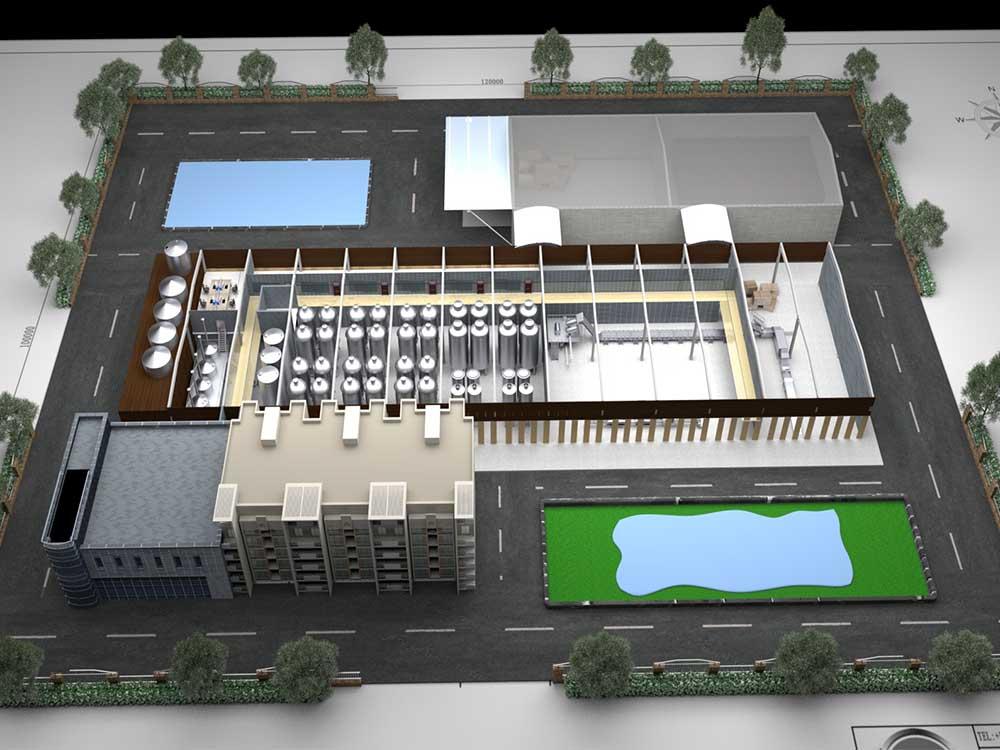
In commercial brewing, space planning can make or break your workflow. Consider:
Material flow: Raw ingredients should move logically from storage to brewing to fermentation.
Packaging areas: Keep them close to cold storage to preserve beer quality.
Future expansion: Leave space for extra fermenters or a canning line.
A poorly planned layout can lead to wasted time, higher labour costs, and unnecessary contamination risks.
4. Understand Local Laws and Compliance
Legal compliance is not optional—and it can vary greatly by country and even by region. You’ll need to address:
Brewing licenses and alcohol permits
Health and safety requirements
Environmental and wastewater regulations
Equipment certifications (e.g., CE, UL, ASME)
Starting the licensing process early can save months of delays once your brewery is built.
5. Budget Beyond the Equipment
Many first-time brewery owners focus on equipment costs but forget the “hidden” expenses:
Building renovations
Installation and utilities
Raw materials and packaging
Marketing and branding
Working capital for the first 6–12 months
A realistic budget should cover not only your brewhouse and tanks but also the infrastructure to support them.
Final Tip:
Moving from homebrewer to brewery owner is one of the most rewarding challenges you can take on. With the right planning, equipment, and support, you can turn your passion into a thriving business.
At Tiantai Beer Equipment, we work with brewers worldwide to design and build customised brewing systems—from compact 500L setups to full-scale 50HL production lines—helping you every step of the way.
Ready to Build Your Own brewery?
Tiantai’s engineering team will work closely with you to create a fully customised brewery setup, from initial design to on-site installation and operator training.
Let us help you bring your beer brand to life — professionally, efficiently, and with character.
Contact Nicole now!
Email: [email protected]
Sales manager of Tiantai beer equipment co
Commercial brewing is not simply “homebrewing on a larger scale.” The differences are vast: you’re now producing beer for a paying audience, meeting regulatory standards, and operating as a business. Success requires careful planning and the right support from day one.
Here are five key things to consider before you take your first step into the world of commercial brewing:
1. Define Your Capacity and Market Position
In homebrewing, you might brew 20–50 litres at a time for friends and family. In commercial brewing, your capacity needs to align with your market goals. Will you sell primarily through a taproom, distribute to local bars, or aim for packaged retail sales?
A smaller microbrewery might produce 500–1,000 litres per batch, ideal for taproom-only sales.
Regional breweries might produce 10–50 hectolitres per batch for broader distribution.
Your choice will directly affect the size of your brewhouse, number of fermenters, cellar space, and even your staffing needs.
2. Choose the Right Brewing System
Selecting the right brewing system is critical. The differences from homebrewing can be overwhelming—automation, heating methods (steam, electric, or direct fire), number of vessels, and level of process control all matter.
Automation can reduce labour but comes with higher upfront costs.
Multiple vessels (e.g., 3- or 4-vessel systems) improve efficiency and throughput.
Energy efficiency impacts your operating costs long-term.
Partner with an experienced brewery equipment manufacturer who can match your system design to your production goals and brewing style.
3. Plan Your Layout for Efficiency and Expansion
In commercial brewing, space planning can make or break your workflow. Consider:
Material flow: Raw ingredients should move logically from storage to brewing to fermentation.
Packaging areas: Keep them close to cold storage to preserve beer quality.
Future expansion: Leave space for extra fermenters or a canning line.
A poorly planned layout can lead to wasted time, higher labour costs, and unnecessary contamination risks.
4. Understand Local Laws and Compliance
Legal compliance is not optional—and it can vary greatly by country and even by region. You’ll need to address:
Brewing licenses and alcohol permits
Health and safety requirements
Environmental and wastewater regulations
Equipment certifications (e.g., CE, UL, ASME)
Starting the licensing process early can save months of delays once your brewery is built.
5. Budget Beyond the Equipment
Many first-time brewery owners focus on equipment costs but forget the “hidden” expenses:
Building renovations
Installation and utilities
Raw materials and packaging
Marketing and branding
Working capital for the first 6–12 months
A realistic budget should cover not only your brewhouse and tanks but also the infrastructure to support them.
Final Tip:
Moving from homebrewer to brewery owner is one of the most rewarding challenges you can take on. With the right planning, equipment, and support, you can turn your passion into a thriving business.
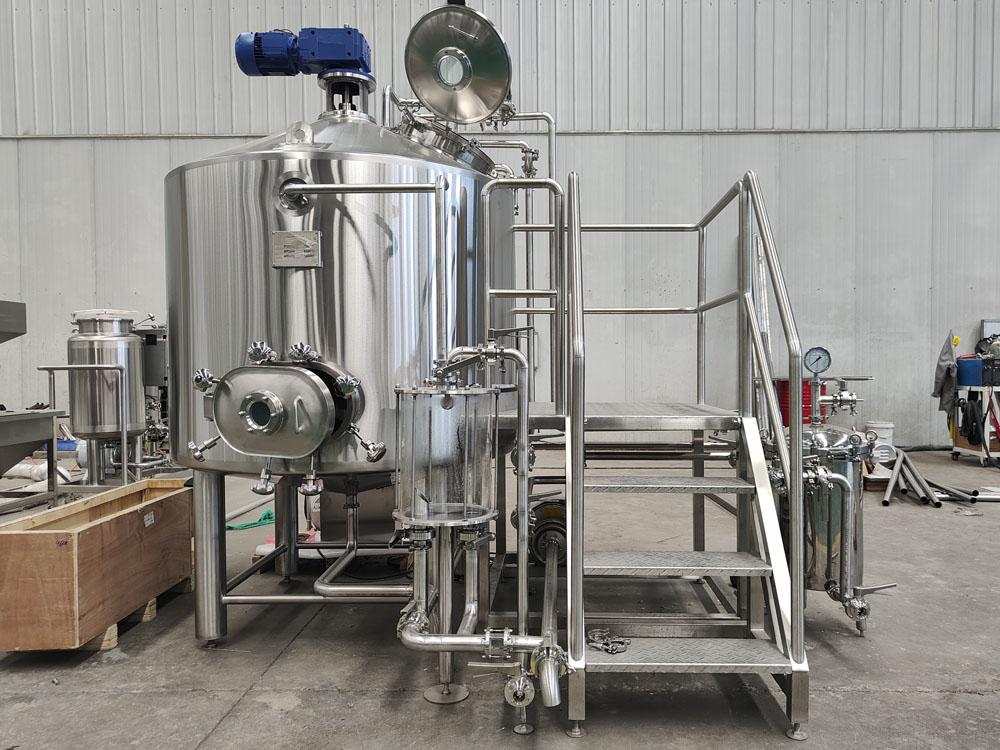
At Tiantai Beer Equipment, we work with brewers worldwide to design and build customised brewing systems—from compact 500L setups to full-scale 50HL production lines—helping you every step of the way.
Ready to Build Your Own brewery?
Tiantai’s engineering team will work closely with you to create a fully customised brewery setup, from initial design to on-site installation and operator training.
Let us help you bring your beer brand to life — professionally, efficiently, and with character.
Contact Nicole now!
Email: [email protected]
Sales manager of Tiantai beer equipment co
.jpg)