
Can Brewery Equipment Be Used for Kombucha Production?
- Jun 24, 2026
- 194
- tiantai
As the kombucha market continues to expand worldwide, many beverage entrepreneurs and brewery owners are asking an important question:
Can brewery equipment be used for kombucha production?
The short answer is yes.
In fact, many commercial kombucha producers utilize equipment that is very similar to traditional brewery systems. While kombucha and beer are different products, they share several processing steps, including brewing, fermentation, cooling, cleaning, and packaging.
Understanding which brewery equipment can be used directly and which equipment may require modification can help producers save investment costs and expand production more efficiently.
Although kombucha is a fermented tea beverage and beer is brewed from malt, the overall production workflow has many similarities.
↓
Fermentation
↓
Conditioning
↓
Packaging
↓
Primary Fermentation
↓
Secondary Fermentation
↓
Packaging
Because both beverages require controlled fermentation and sanitary processing, much of the equipment can be shared.
The first step in kombucha production is preparing sweetened tea.
A brewery brewhouse or brewing kettle can easily perform this task by:
· Heating water
· Brewing tea
· Dissolving sugar
· Mixing ingredients
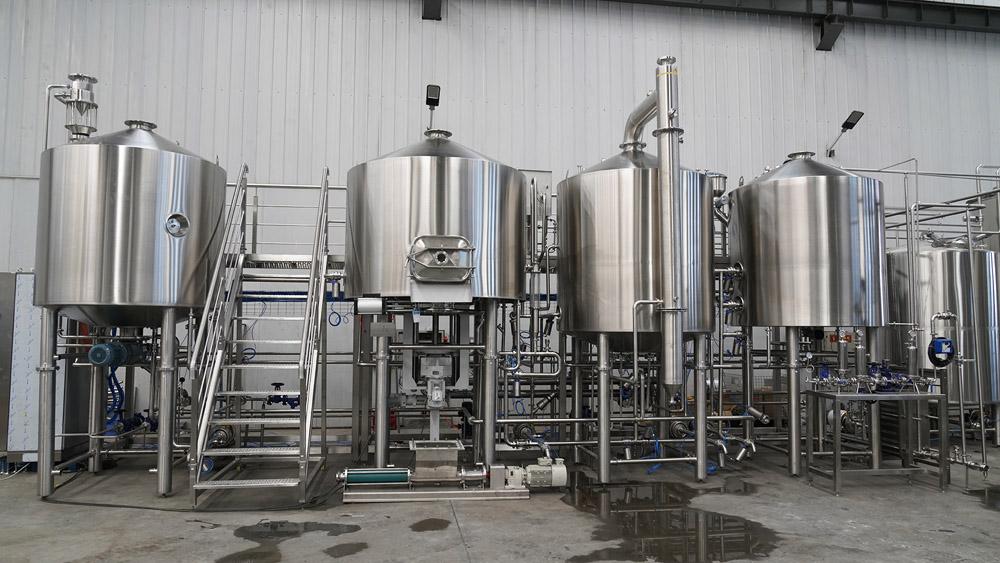
Many kombucha producers use stainless steel brewing kettles originally designed for beer production because they provide excellent temperature control and hygienic operation. For commercial facilities, the same heating methods used in breweries—steam, electric, or direct fire—can also be applied to kombucha production.
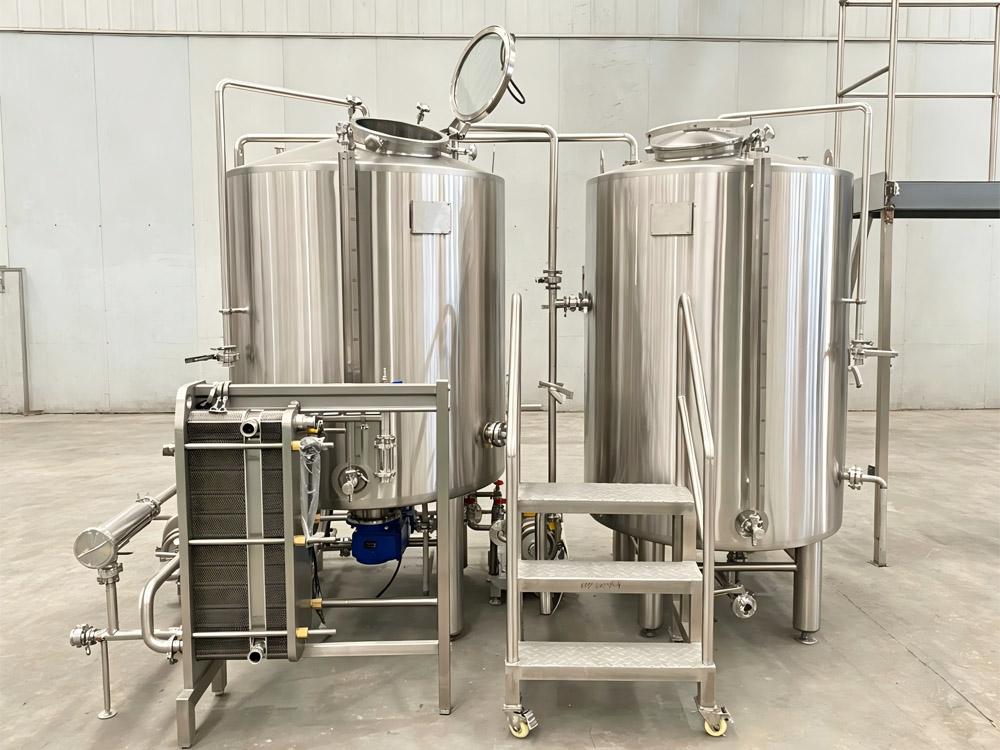
This is where the biggest difference appears. Beer fermentation is normally carried out in closed fermenters because brewing yeast does not require continuous oxygen exposure after pitching. Kombucha fermentation, however, relies on a SCOBY (Symbiotic Culture of Bacteria and Yeast). The acetic acid bacteria within the SCOBY require oxygen to convert alcohol into organic acids. For this reason, many kombucha producers use open fermentation tanks during the primary fermentation stage.
However, stainless steel brewery fermenters can still be useful for:
· Secondary fermentation
· Flavor conditioning
· Clarification
· Carbonation
· Product storage before packaging
In many commercial kombucha facilities, both open-top fermenters and traditional brewery-style conditioning tanks are used together.
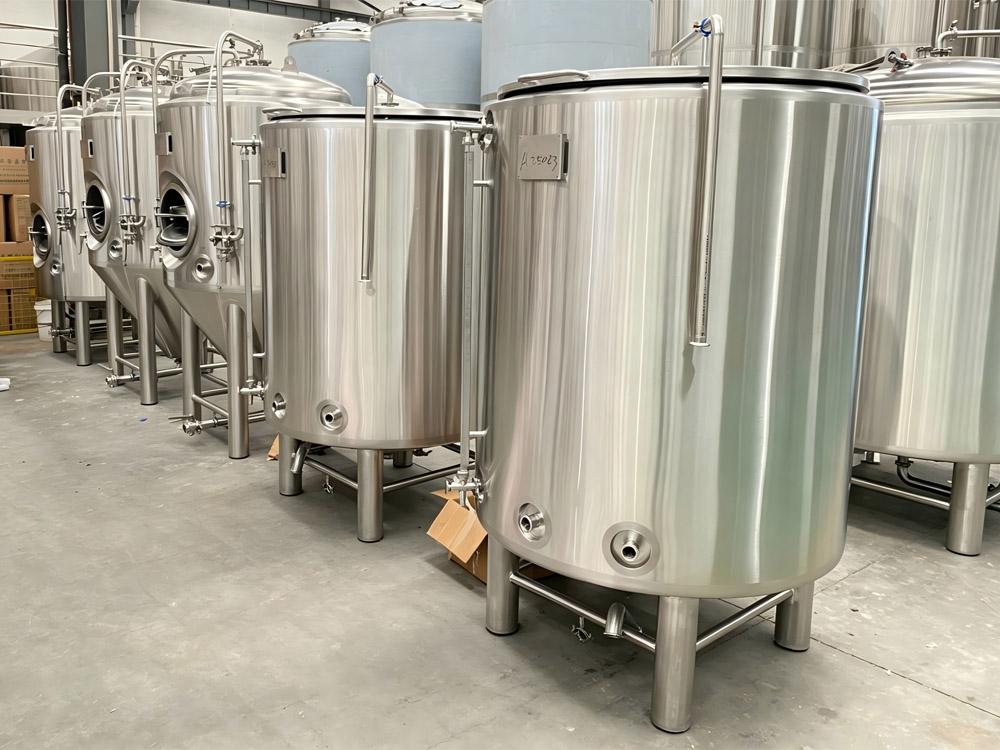
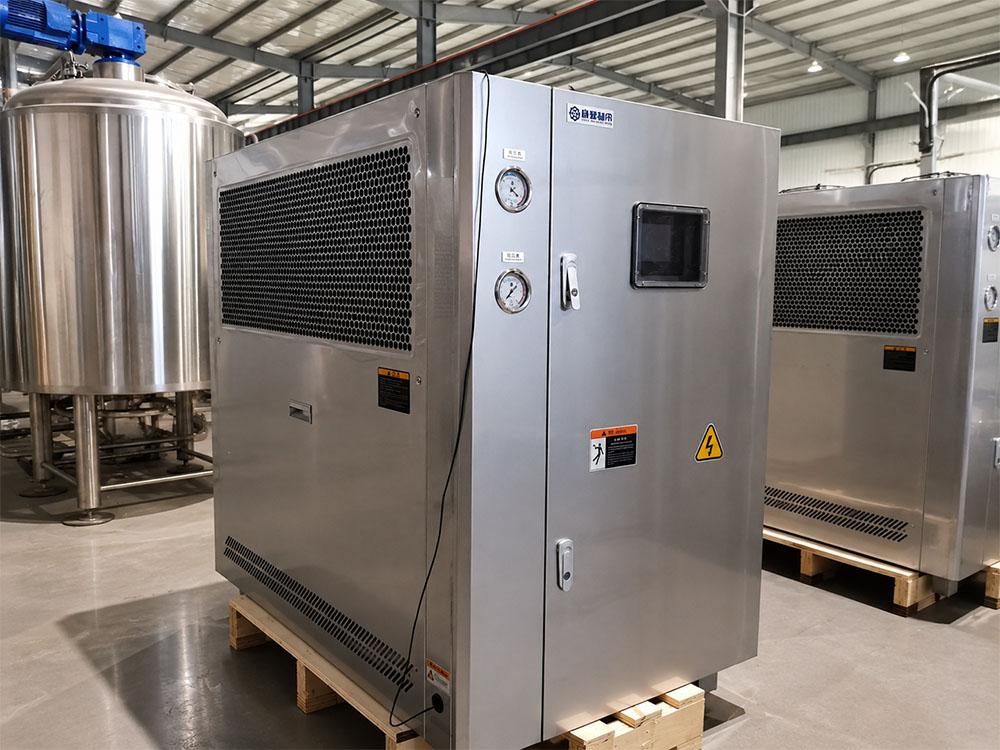
Temperature control is critical in both brewing and kombucha production. Fortunately, glycol chillers and cooling systems used in breweries can also be used for kombucha operations. These systems help maintain stable fermentation temperatures and improve product consistency throughout the year.
Common shared equipment includes:
· Glycol chillers
· Cold water tanks
· Heat exchangers
· Temperature control systems
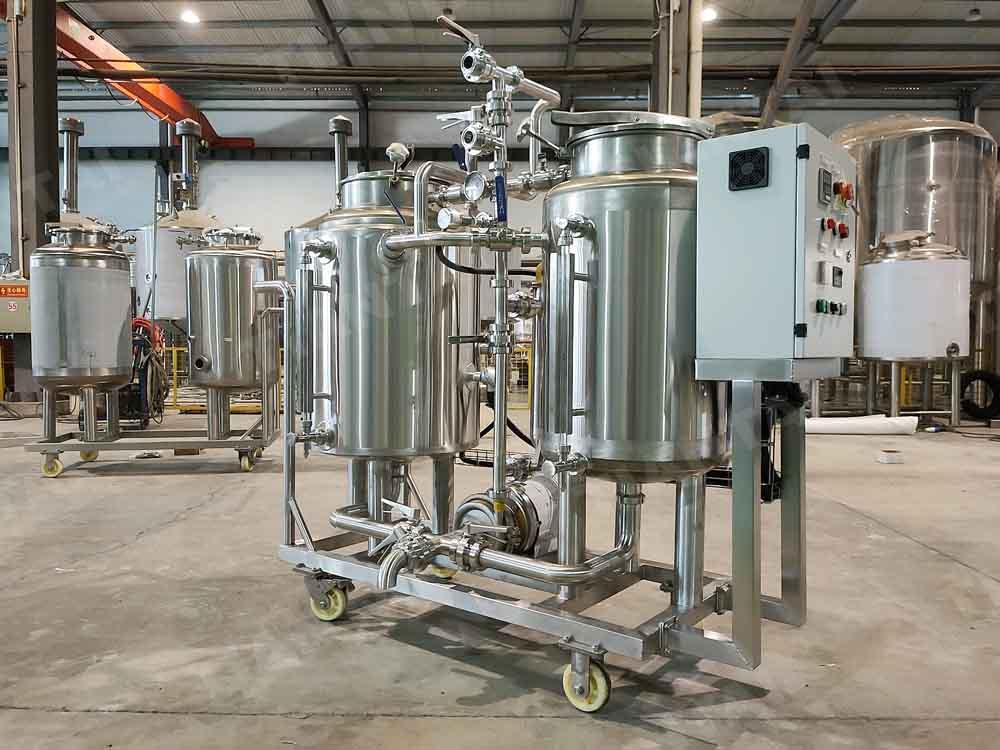
Cleaning is one of the most important aspects of beverage production. Both beer and kombucha producers require strict sanitary standards to prevent contamination and ensure product quality. As a result, brewery CIP (Clean-In-Place) systems are widely used in kombucha facilities.
Benefits include:
· Reduced labor requirements
· Faster cleaning cycles
· Improved sanitation
· Consistent production quality
Absolutely, many craft breweries around the world have diversified their product portfolios by introducing kombucha alongside beer production. Because much of the infrastructure already exists, the investment required is often significantly lower than building a dedicated kombucha facility from scratch.
Existing brewery assets that can often be reused include:
· Brewing kettles
· Hot water tanks
· Glycol systems
· CIP systems
· Conditioning tanks
· Packaging lines
Only a few specialized components may need to be added, such as open fermentation vessels designed specifically for SCOBY development.
For breweries looking to enter the rapidly growing functional beverage market, kombucha offers an attractive opportunity. By leveraging existing brewery equipment and adding a few specialized fermentation vessels, producers can launch kombucha production with lower investment costs while maintaining high product quality. At Tiantai Brewtech, we provide both brewery equipment and dedicated kombucha production systems. Whether you are starting a new kombucha project or converting part of an existing brewery into a kombucha production facility, our engineering team can help design the most suitable solution for your business. Contact us today to learn how brewery equipment can be integrated into a successful kombucha production system.
Email: [email protected]
Sales manager of Tiantai beer equipment co
Can brewery equipment be used for kombucha production?
The short answer is yes.
In fact, many commercial kombucha producers utilize equipment that is very similar to traditional brewery systems. While kombucha and beer are different products, they share several processing steps, including brewing, fermentation, cooling, cleaning, and packaging.
Understanding which brewery equipment can be used directly and which equipment may require modification can help producers save investment costs and expand production more efficiently.
Similarities Between Beer and Kombucha Production
Although kombucha is a fermented tea beverage and beer is brewed from malt, the overall production workflow has many similarities.Typical Beer Process
Brewing↓
Fermentation
↓
Conditioning
↓
Packaging
Typical Kombucha Process
Tea Brewing↓
Primary Fermentation
↓
Secondary Fermentation
↓
Packaging
Because both beverages require controlled fermentation and sanitary processing, much of the equipment can be shared.
1. Brewing Kettles Can Be Used for Kombucha
The first step in kombucha production is preparing sweetened tea.A brewery brewhouse or brewing kettle can easily perform this task by:
· Heating water
· Brewing tea
· Dissolving sugar
· Mixing ingredients
Many kombucha producers use stainless steel brewing kettles originally designed for beer production because they provide excellent temperature control and hygienic operation. For commercial facilities, the same heating methods used in breweries—steam, electric, or direct fire—can also be applied to kombucha production.
2. Fermentation Tanks: Similar but Not Always Identical
This is where the biggest difference appears. Beer fermentation is normally carried out in closed fermenters because brewing yeast does not require continuous oxygen exposure after pitching. Kombucha fermentation, however, relies on a SCOBY (Symbiotic Culture of Bacteria and Yeast). The acetic acid bacteria within the SCOBY require oxygen to convert alcohol into organic acids. For this reason, many kombucha producers use open fermentation tanks during the primary fermentation stage.However, stainless steel brewery fermenters can still be useful for:
· Secondary fermentation
· Flavor conditioning
· Clarification
· Carbonation
· Product storage before packaging
In many commercial kombucha facilities, both open-top fermenters and traditional brewery-style conditioning tanks are used together.
3. Cooling Systems and Glycol Chillers
Temperature control is critical in both brewing and kombucha production. Fortunately, glycol chillers and cooling systems used in breweries can also be used for kombucha operations. These systems help maintain stable fermentation temperatures and improve product consistency throughout the year.Common shared equipment includes:
· Glycol chillers
· Cold water tanks
· Heat exchangers
· Temperature control systems
4. CIP Systems Are Equally Important
Cleaning is one of the most important aspects of beverage production. Both beer and kombucha producers require strict sanitary standards to prevent contamination and ensure product quality. As a result, brewery CIP (Clean-In-Place) systems are widely used in kombucha facilities.Benefits include:
· Reduced labor requirements
· Faster cleaning cycles
· Improved sanitation
· Consistent production quality
Can Existing Breweries Produce Kombucha?
Absolutely, many craft breweries around the world have diversified their product portfolios by introducing kombucha alongside beer production. Because much of the infrastructure already exists, the investment required is often significantly lower than building a dedicated kombucha facility from scratch.Existing brewery assets that can often be reused include:
· Brewing kettles
· Hot water tanks
· Glycol systems
· CIP systems
· Conditioning tanks
· Packaging lines
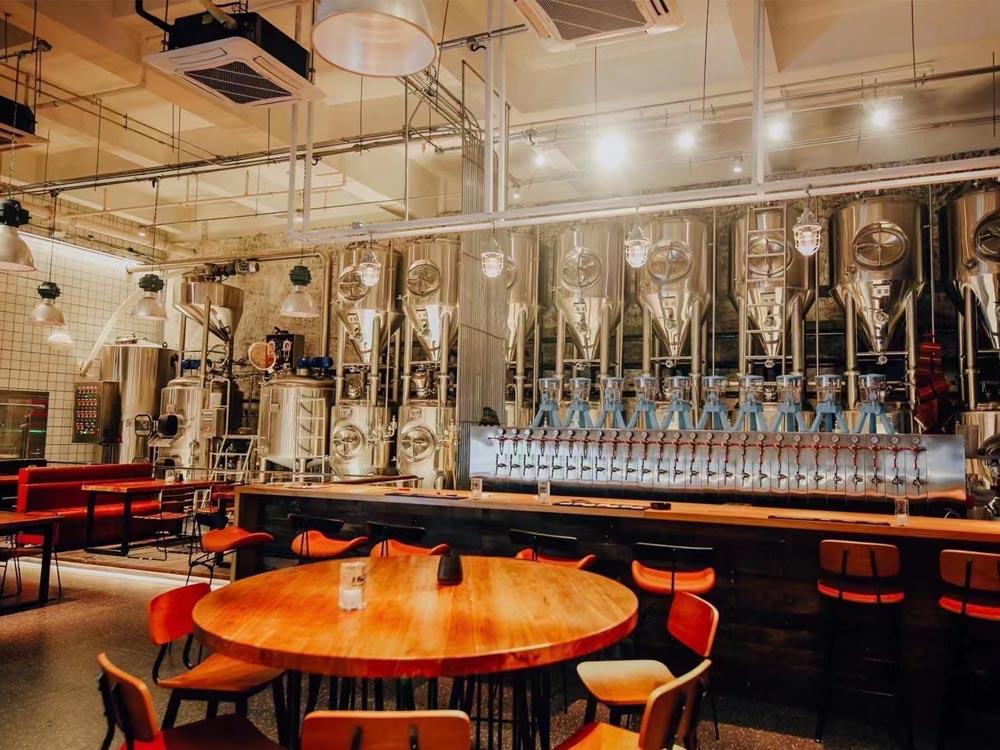
Only a few specialized components may need to be added, such as open fermentation vessels designed specifically for SCOBY development.
A Smart Way to Expand Your Beverage Business
For breweries looking to enter the rapidly growing functional beverage market, kombucha offers an attractive opportunity. By leveraging existing brewery equipment and adding a few specialized fermentation vessels, producers can launch kombucha production with lower investment costs while maintaining high product quality. At Tiantai Brewtech, we provide both brewery equipment and dedicated kombucha production systems. Whether you are starting a new kombucha project or converting part of an existing brewery into a kombucha production facility, our engineering team can help design the most suitable solution for your business. Contact us today to learn how brewery equipment can be integrated into a successful kombucha production system.Email: [email protected]
Sales manager of Tiantai beer equipment co
.jpg)
.jpg)

.jpg)