A 600L Kombucha Brewing System Begins Its Journey to Malaysia
- Sep 17, 2026
- 187
- tiantai
Kombucha has evolved from a traditional fermented tea into a popular beverage category with growing interest around the world. As consumers look for refreshing drinks with distinctive flavors and more diverse beverage choices, kombucha producers are increasingly moving from small-batch production toward more standardized and scalable manufacturing.
For commercial producers, however, making kombucha at a larger scale is about much more than simply increasing the size of a fermentation tank.
It requires a brewing system that can support consistent processing, controlled fermentation, hygienic operation, efficient transfer, and reliable storage.
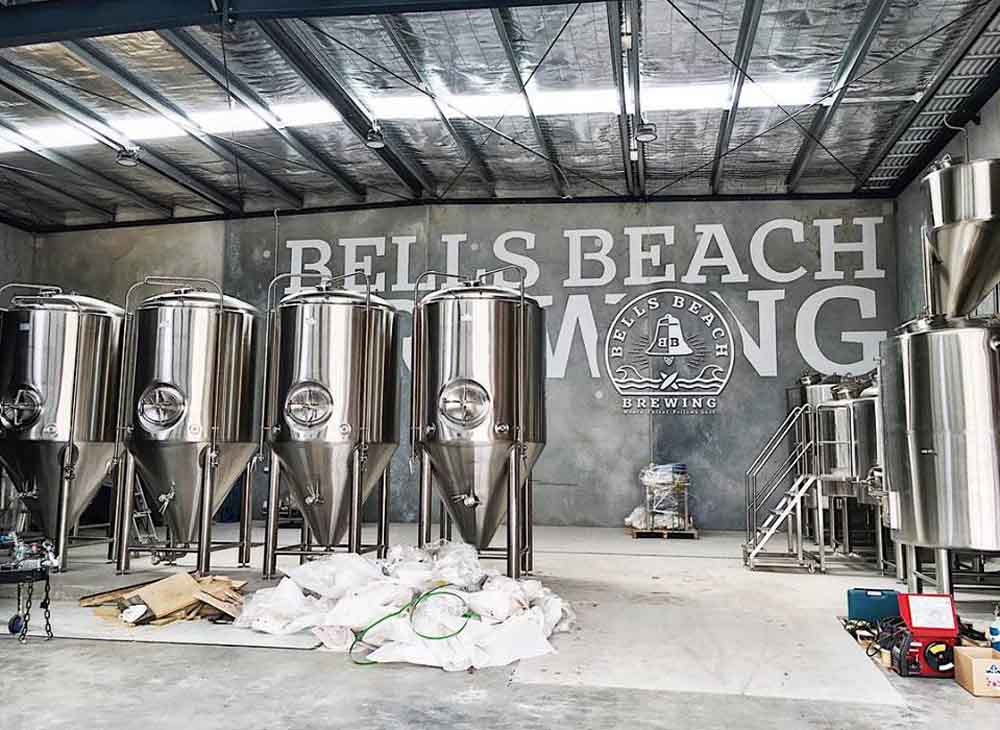
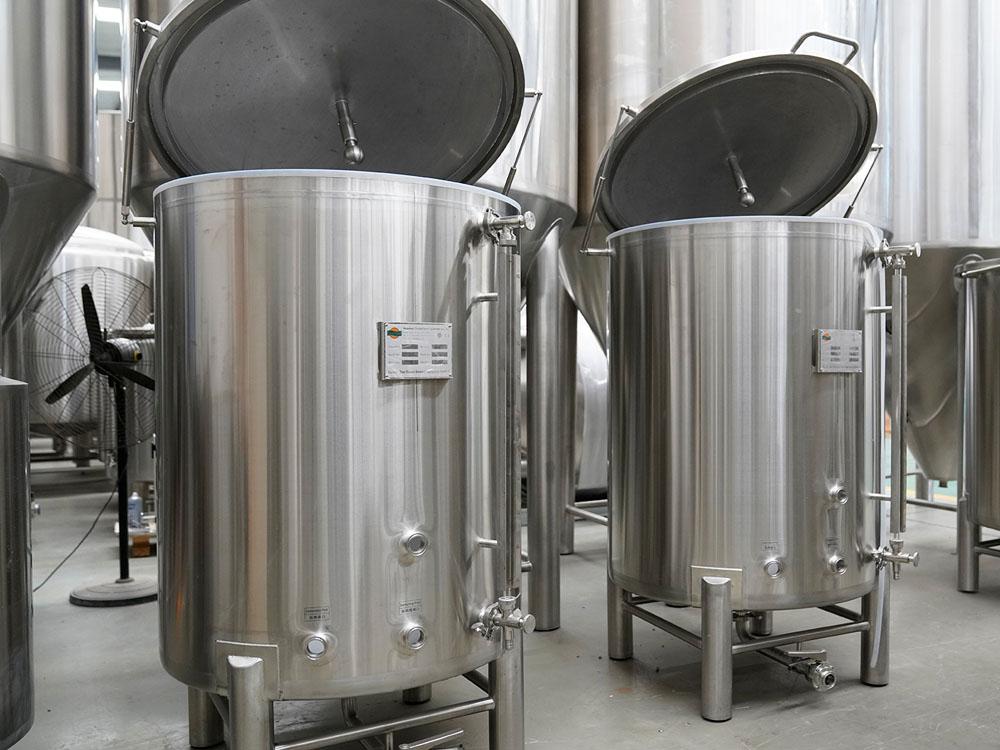
Recently, one of our 600L kombucha brewing systems was completed and prepared for shipment to a customer in Malaysia. The kombucha project represents another step in our ongoing work with beverage producers looking to transform their recipes and ideas into practical commercial production systems.
Turning a Kombucha Recipe into a Production Process
A great kombucha starts with a good recipe.
But when production moves from a few bottles or small fermentation vessels to a commercial production environment, consistency becomes increasingly important.
Every batch needs to follow a repeatable process. Raw materials need to be handled efficiently. Fermentation needs to take place under controlled conditions. Finished or semi-finished products need to be transferred and stored hygienically.
This is where properly designed processing equipment makes a difference.
For the Malaysian project, the 600L brewing system was designed around the customer's production requirements, with the goal of creating a practical workflow from preparation and fermentation through to storage and subsequent processing.
Rather than looking at each tank as an individual piece of equipment, the entire system is considered as one connected production line.
More Than Just Stainless Steel Tanks
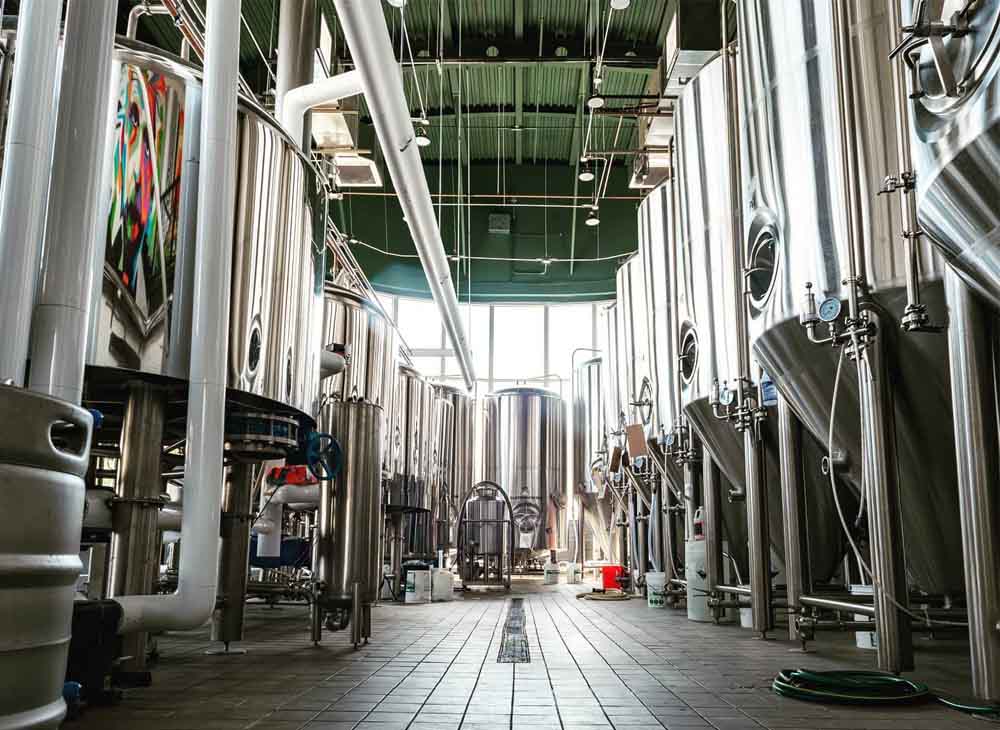
When people see a beverage production line, the first thing they often notice is the stainless steel equipment.
But a production line is more than a collection of tanks.
Tank capacity, internal design, pipe connections, valves, pumps, process flow and cleaning requirements all have an impact on how efficiently the system can be operated.
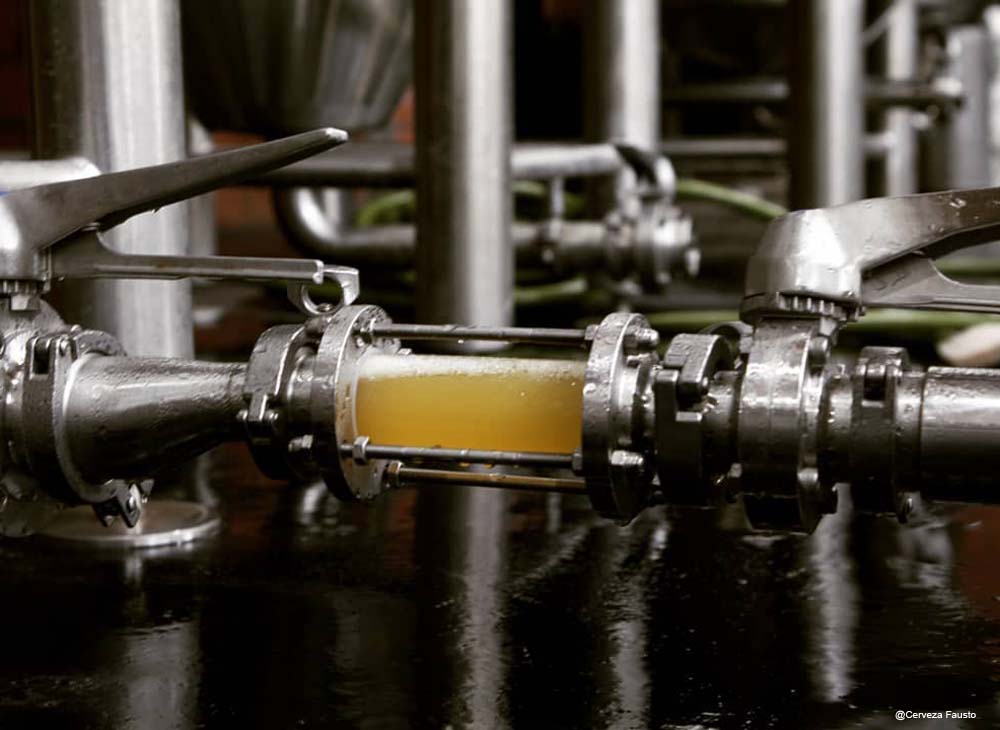
For fermented beverages such as kombucha, hygienic design and convenient cleaning are particularly important. The equipment comes into contact with the product throughout the production process, so minimizing unnecessary dead zones and making product-contact surfaces easy to clean can help support a more reliable production environment.
At Tiantai, we pay attention not only to the appearance and fabrication of the equipment, but also to how the individual components work together as a complete system.
Every tank. Every pipe. Every connection.
Each detail has a role in creating a production process that is easier to operate, easier to maintain, and better suited to repeatable commercial production.
Why Fermentation Control Matters
Fermentation is at the heart of kombucha production.
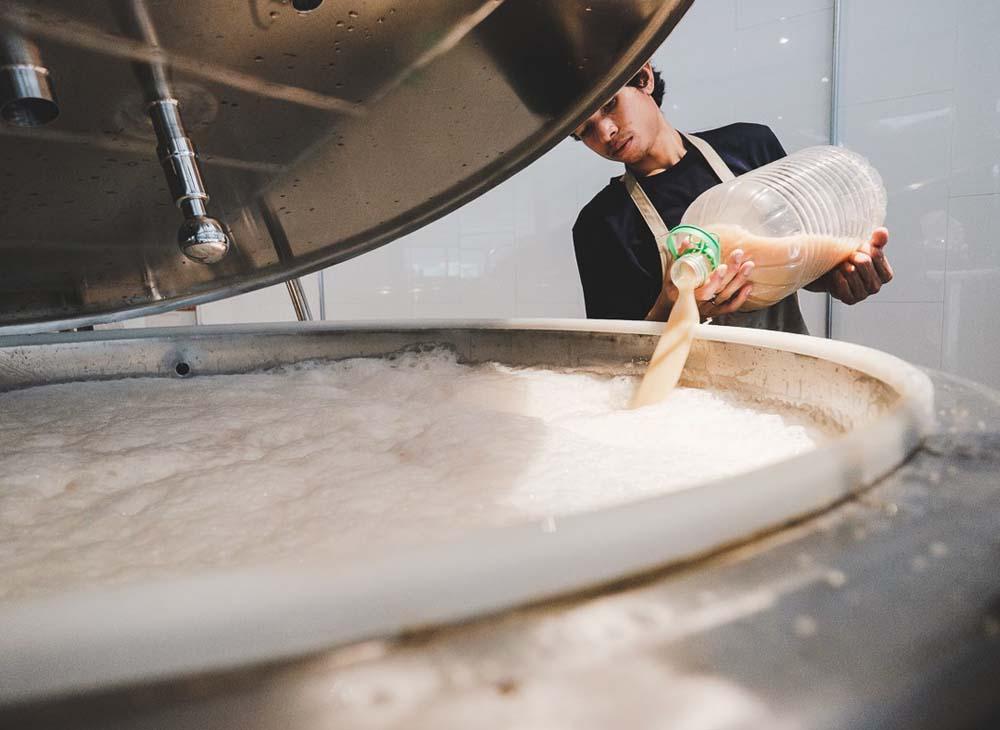
Unlike many conventional beverages, kombucha is a living fermentation process. Changes in temperature, fermentation time, ingredients and operating conditions can influence the characteristics of the final beverage.
For small-batch production, operators may be able to closely monitor each individual batch. As production volume increases, however, relying entirely on manual control becomes more challenging.
A well-designed fermentation system provides a more structured production environment and allows producers to manage their process more systematically.
The purpose is not to remove the craftsmanship from kombucha production.
Instead, the equipment helps producers protect the consistency of the process while allowing the product itself to remain the focus.
A 600L System for Growing Production Needs
The 600L capacity provides a practical scale for producers who are developing their commercial kombucha business.
It offers significantly more production capacity than small pilot-scale equipment while remaining compact enough for a growing beverage operation.
For producers, this type of brewing system can provide a useful balance between:
- Production capacity
- Equipment investment
- Available floor space
- Ease of operation
- Future production development
The exact production output will naturally depend on the customer's recipe, fermentation time, number of batches and downstream filling and packaging arrangements.
This is why equipment capacity should always be considered together with the complete production schedule rather than as a single number.
Designed Around the Customer's Workflow
Every beverage project is different.
Some customers focus on traditional kombucha. Others develop fruit-flavored, botanical or functional beverage products. Some need a compact production system for a limited facility, while others plan to expand their capacity as the market grows.
For this reason, equipment selection should start with the production process rather than simply selecting standard tank sizes.
For the Malaysian project, the system was developed around the customer's requirements, with attention to the relationship between processing, fermentation, transfer and storage.
This approach allows the equipment to fit into the customer's actual workflow instead of forcing the production process to adapt to a collection of unrelated machines.
From the Factory Floor to Malaysia
Once the equipment was completed, the production line went through preparation for shipment before beginning its journey from China to Malaysia.
For an export project, manufacturing is only one part of the process.
Equipment needs to be fabricated, inspected, prepared for transportation, carefully packed and loaded so that it can arrive safely at the customer's facility.
For a stainless steel processing system, proper protection during transportation is particularly important. Tanks, fittings, valves and other components need to be packed and secured appropriately to reduce the risk of damage during handling and shipping.
And now, this 600L kombucha brewing system is ready to begin its next chapter in Malaysia.
From our factory floor in China to a new beverage production facility overseas, the journey of the equipment is also part of the journey of the customer's business.
From Equipment to a Finished Beverage
Ultimately, the purpose of a production line is not the equipment itself.
It is what the equipment helps the customer create.
Behind every stainless steel tank is a product idea. Behind every fermentation vessel is a recipe waiting to be developed. And behind every production line is a business looking for a reliable way to bring its beverage to the market.
For us, supplying equipment means being part of that process.
Whether the project is a 600L kombucha brewing system, a larger fermented beverage plant, or a customized beverage processing line, our goal is to understand the customer's production requirements and develop equipment that fits the actual application.
Because the journey from an idea to a finished bottle doesn't happen in one step.
It starts with an idea., then comes the recipe, then the process, then the equipment, and finally, the finished beverage.
This 600L kombucha brewing system is now ready for its next chapter—and we look forward to seeing what comes out of the tanks.
For commercial producers, however, making kombucha at a larger scale is about much more than simply increasing the size of a fermentation tank.
It requires a brewing system that can support consistent processing, controlled fermentation, hygienic operation, efficient transfer, and reliable storage.
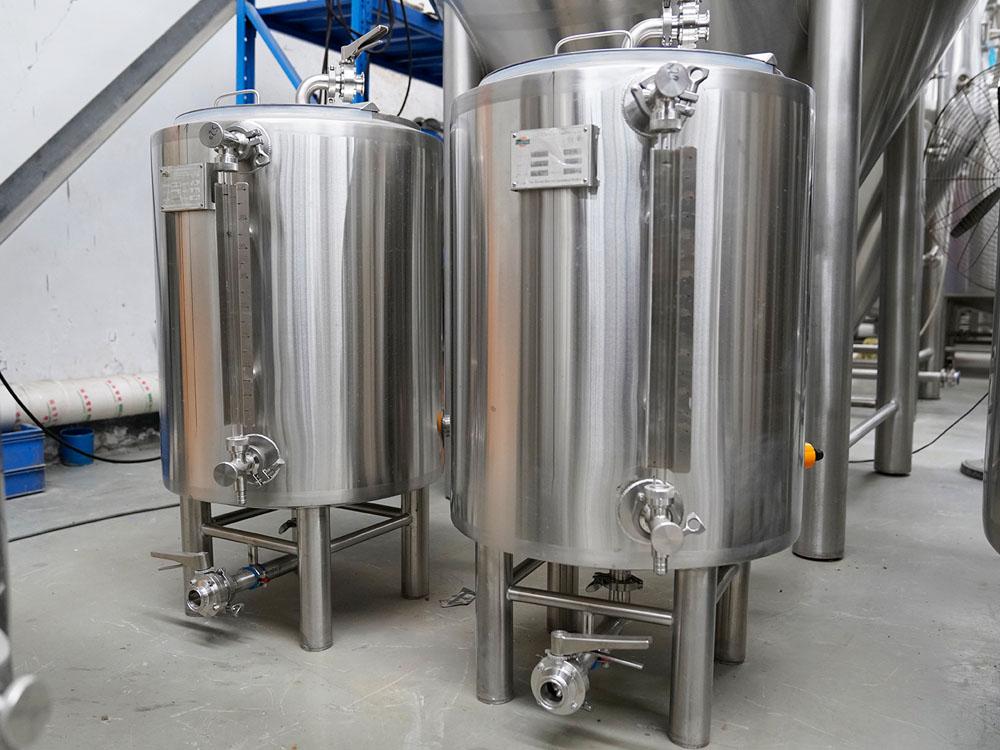
Recently, one of our 600L kombucha brewing systems was completed and prepared for shipment to a customer in Malaysia. The kombucha project represents another step in our ongoing work with beverage producers looking to transform their recipes and ideas into practical commercial production systems.
Turning a Kombucha Recipe into a Production Process
A great kombucha starts with a good recipe.
But when production moves from a few bottles or small fermentation vessels to a commercial production environment, consistency becomes increasingly important.
Every batch needs to follow a repeatable process. Raw materials need to be handled efficiently. Fermentation needs to take place under controlled conditions. Finished or semi-finished products need to be transferred and stored hygienically.
This is where properly designed processing equipment makes a difference.
For the Malaysian project, the 600L brewing system was designed around the customer's production requirements, with the goal of creating a practical workflow from preparation and fermentation through to storage and subsequent processing.
Rather than looking at each tank as an individual piece of equipment, the entire system is considered as one connected production line.
More Than Just Stainless Steel Tanks
When people see a beverage production line, the first thing they often notice is the stainless steel equipment.
But a production line is more than a collection of tanks.
Tank capacity, internal design, pipe connections, valves, pumps, process flow and cleaning requirements all have an impact on how efficiently the system can be operated.
For fermented beverages such as kombucha, hygienic design and convenient cleaning are particularly important. The equipment comes into contact with the product throughout the production process, so minimizing unnecessary dead zones and making product-contact surfaces easy to clean can help support a more reliable production environment.
At Tiantai, we pay attention not only to the appearance and fabrication of the equipment, but also to how the individual components work together as a complete system.
Every tank. Every pipe. Every connection.
Each detail has a role in creating a production process that is easier to operate, easier to maintain, and better suited to repeatable commercial production.
Why Fermentation Control Matters
Fermentation is at the heart of kombucha production.
Unlike many conventional beverages, kombucha is a living fermentation process. Changes in temperature, fermentation time, ingredients and operating conditions can influence the characteristics of the final beverage.
For small-batch production, operators may be able to closely monitor each individual batch. As production volume increases, however, relying entirely on manual control becomes more challenging.
A well-designed fermentation system provides a more structured production environment and allows producers to manage their process more systematically.
The purpose is not to remove the craftsmanship from kombucha production.
Instead, the equipment helps producers protect the consistency of the process while allowing the product itself to remain the focus.
A 600L System for Growing Production Needs
The 600L capacity provides a practical scale for producers who are developing their commercial kombucha business.
It offers significantly more production capacity than small pilot-scale equipment while remaining compact enough for a growing beverage operation.
For producers, this type of brewing system can provide a useful balance between:
- Production capacity
- Equipment investment
- Available floor space
- Ease of operation
- Future production development
The exact production output will naturally depend on the customer's recipe, fermentation time, number of batches and downstream filling and packaging arrangements.
This is why equipment capacity should always be considered together with the complete production schedule rather than as a single number.
Designed Around the Customer's Workflow
Every beverage project is different.
Some customers focus on traditional kombucha. Others develop fruit-flavored, botanical or functional beverage products. Some need a compact production system for a limited facility, while others plan to expand their capacity as the market grows.
For this reason, equipment selection should start with the production process rather than simply selecting standard tank sizes.
For the Malaysian project, the system was developed around the customer's requirements, with attention to the relationship between processing, fermentation, transfer and storage.
This approach allows the equipment to fit into the customer's actual workflow instead of forcing the production process to adapt to a collection of unrelated machines.
From the Factory Floor to Malaysia
Once the equipment was completed, the production line went through preparation for shipment before beginning its journey from China to Malaysia.
For an export project, manufacturing is only one part of the process.
Equipment needs to be fabricated, inspected, prepared for transportation, carefully packed and loaded so that it can arrive safely at the customer's facility.
For a stainless steel processing system, proper protection during transportation is particularly important. Tanks, fittings, valves and other components need to be packed and secured appropriately to reduce the risk of damage during handling and shipping.
And now, this 600L kombucha brewing system is ready to begin its next chapter in Malaysia.
From our factory floor in China to a new beverage production facility overseas, the journey of the equipment is also part of the journey of the customer's business.
From Equipment to a Finished Beverage
Ultimately, the purpose of a production line is not the equipment itself.
It is what the equipment helps the customer create.
Behind every stainless steel tank is a product idea. Behind every fermentation vessel is a recipe waiting to be developed. And behind every production line is a business looking for a reliable way to bring its beverage to the market.
For us, supplying equipment means being part of that process.
Whether the project is a 600L kombucha brewing system, a larger fermented beverage plant, or a customized beverage processing line, our goal is to understand the customer's production requirements and develop equipment that fits the actual application.
Because the journey from an idea to a finished bottle doesn't happen in one step.
It starts with an idea., then comes the recipe, then the process, then the equipment, and finally, the finished beverage.
This 600L kombucha brewing system is now ready for its next chapter—and we look forward to seeing what comes out of the tanks.